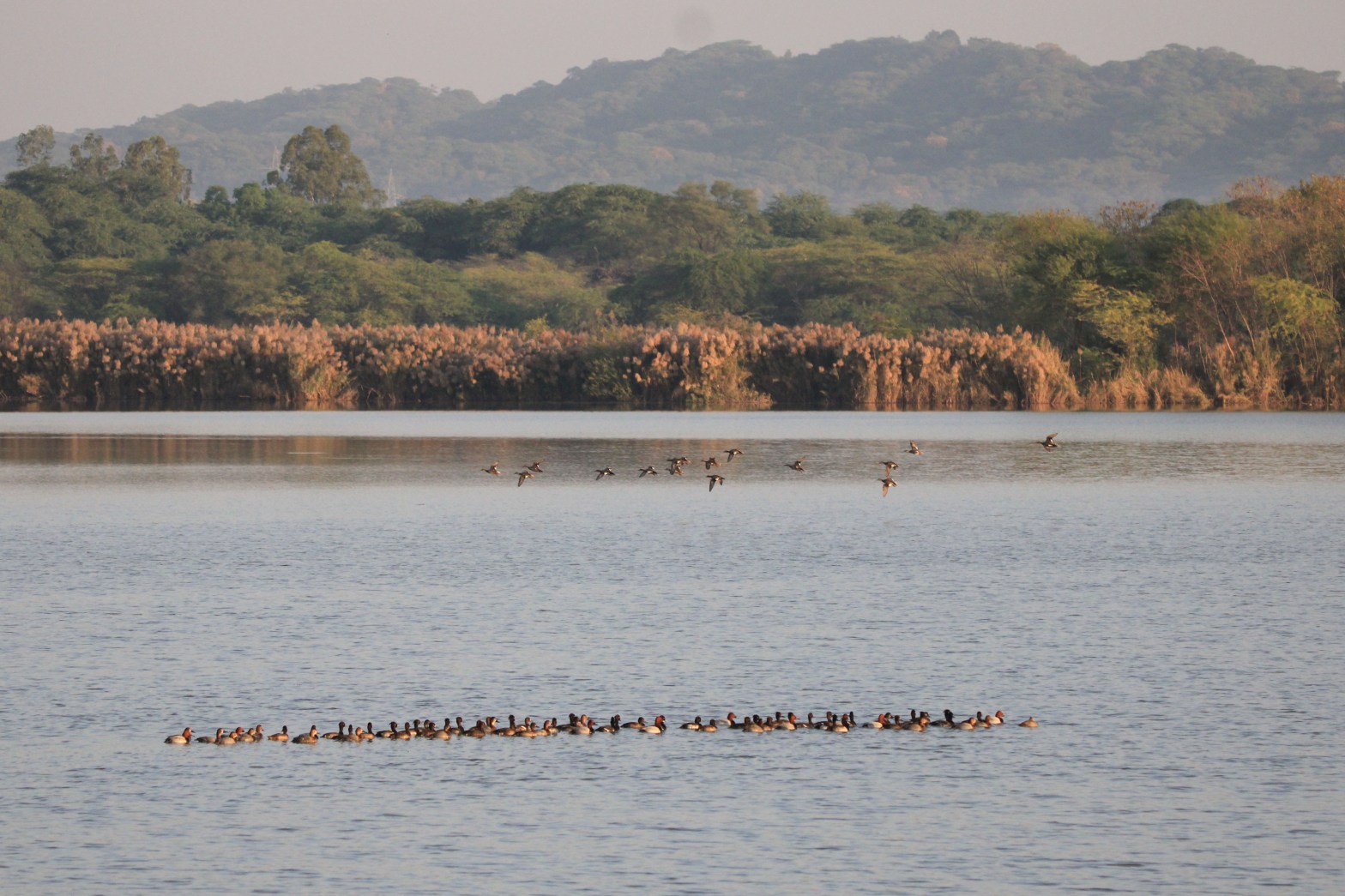
Sukhna Lake | November 2021
The best time to visit Chandigarh is during the winter season, which begins in the mid of November and extends till the mid of March. Weather is pleasant here during this season and the city receives maximum tourist footfall. January is the coldest month with Chilling nights and foggy days. Apart from this there is one more thing which generally remains unnoticed by most of the residents as well as tourists.
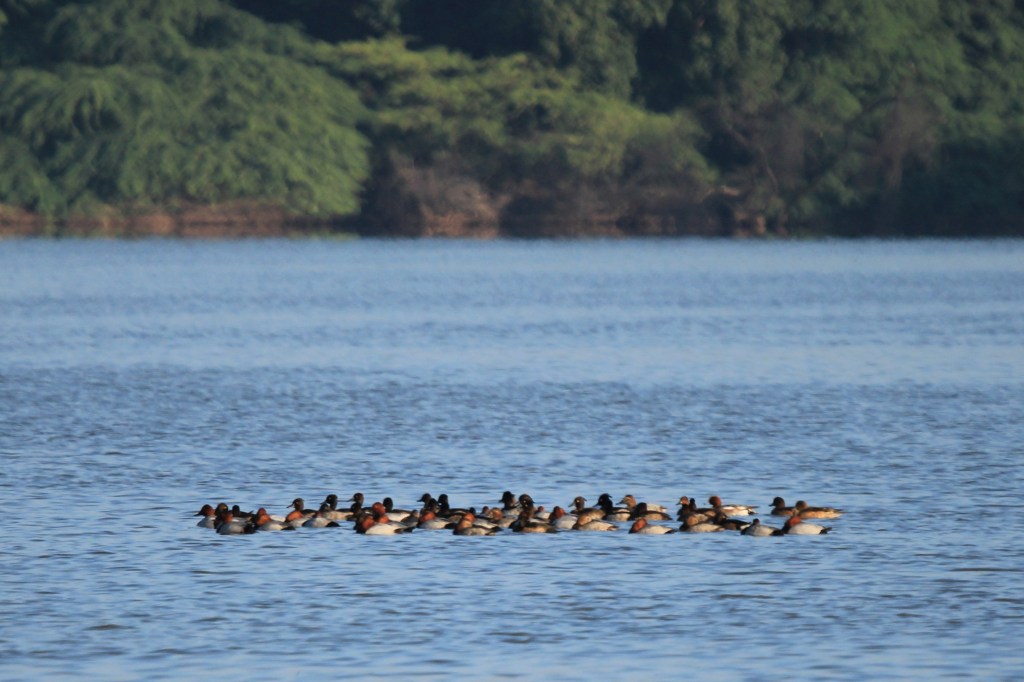
I feel that in the City Beautiful, Chandigarh, Winter is not just a season, but much more. It’s a golden opportunity when you can see nature more closely while you’re in the city. A large number of migratory birds start arriving here by mid-October after covering long distance all the way from regions like Siberia, Central Asia, China, Afghanistan and upper Himalayas and stay here till March. Even some of the resident birds including Cormorants, Grey Heron, Purple Heron and some other species, which are difficult to spot in the rest of the months, can be easily seen in these months .
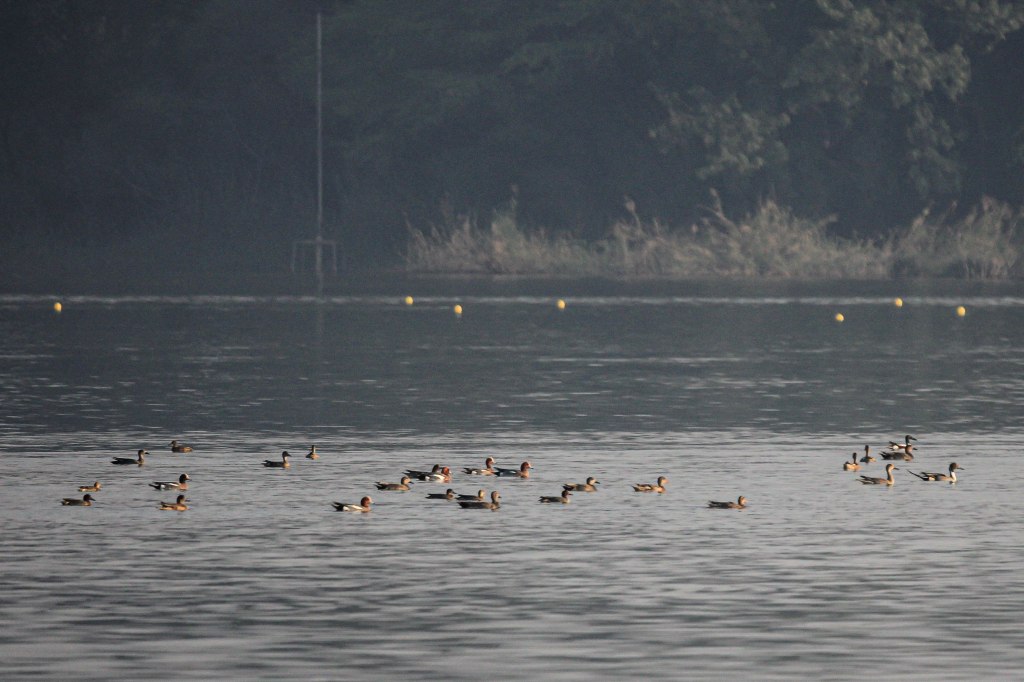
These birds are not only beautiful and colorful but also have some extra ordinary qualities. There are two water bodies in Chandigarh which serve as Wet land for these birds. The main of these is the Sukhna Lake and the other which is relatively smaller in size, but equally rich in diversity is Dhanas Lake. At both these water bodies you can see and enjoy these species of birds from October to March. In this winter season starting from October 2021, I have spotted and clicked, a large number of species of waterfowls migratory as well as residents, including Ruddy Shelduck, Common Pochard, Tufted Duck, Little Grebe, Bar Headed Goose, Northern Shovelers, Mallards, Northern Pintails, Eurasian Coot, Eurasian Wigeon, Green winged Teal, Great crested Grebe, Grey Heron, Purple Heron at one or both of these water bodies .
Through this blog, I am sharing my experience including the pictures I have clicked this winter, so that the next time when you see any of these birds, you will know about them. Though some of you may be aware of this, but I think those who do not know about this Winter Carnival of Chandigarh should also be made aware of this feature of our City Beautiful.
Ruddy shelduck ( Brahminy Duck )
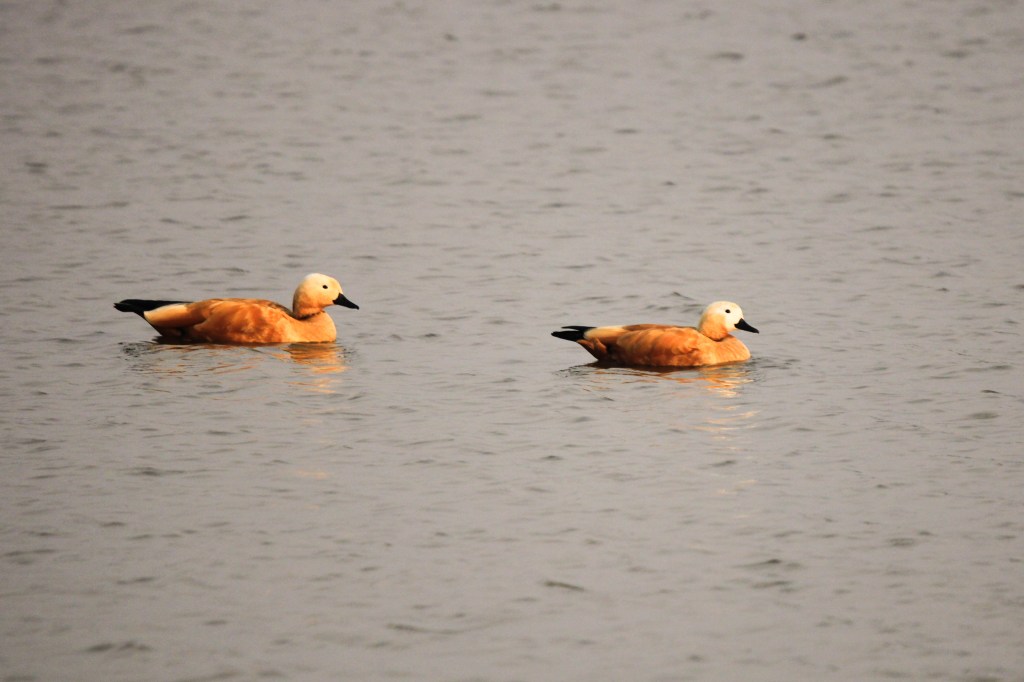
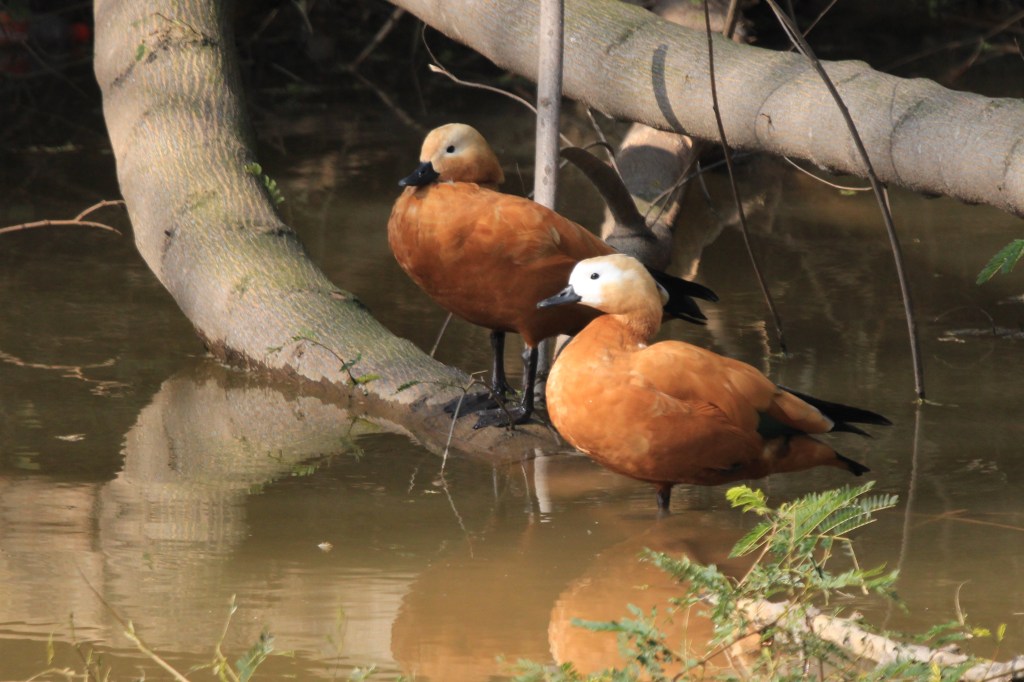
.Duck with orange-brown body plumage and a paler head, They scale the mighty Himalayas when they migrate to India from the north attaining heights of 6800 meters.
Common Pochard
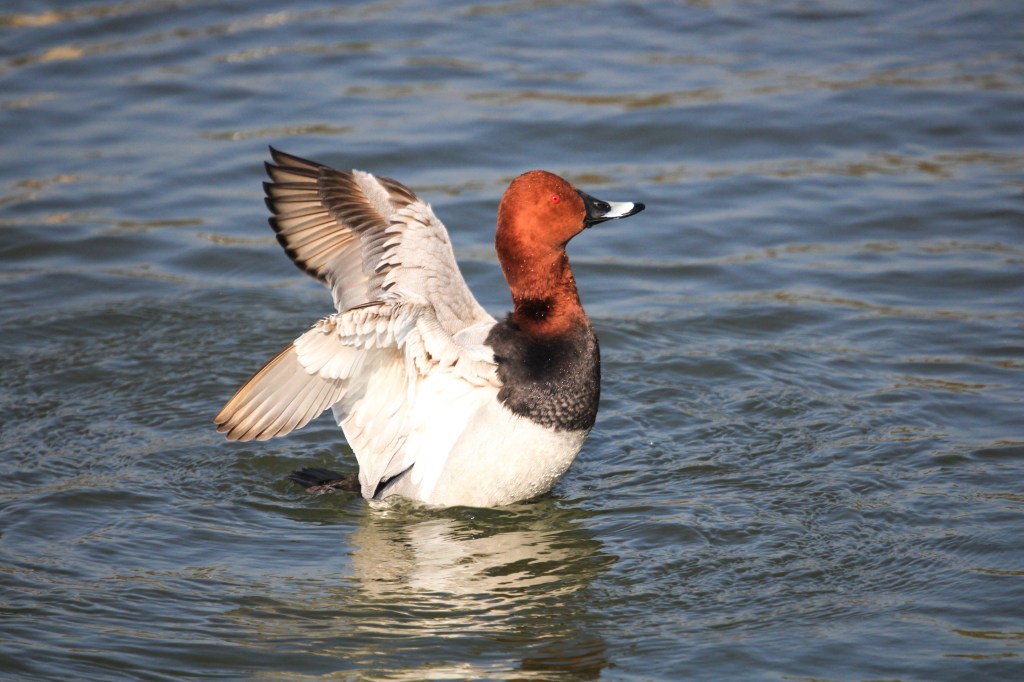
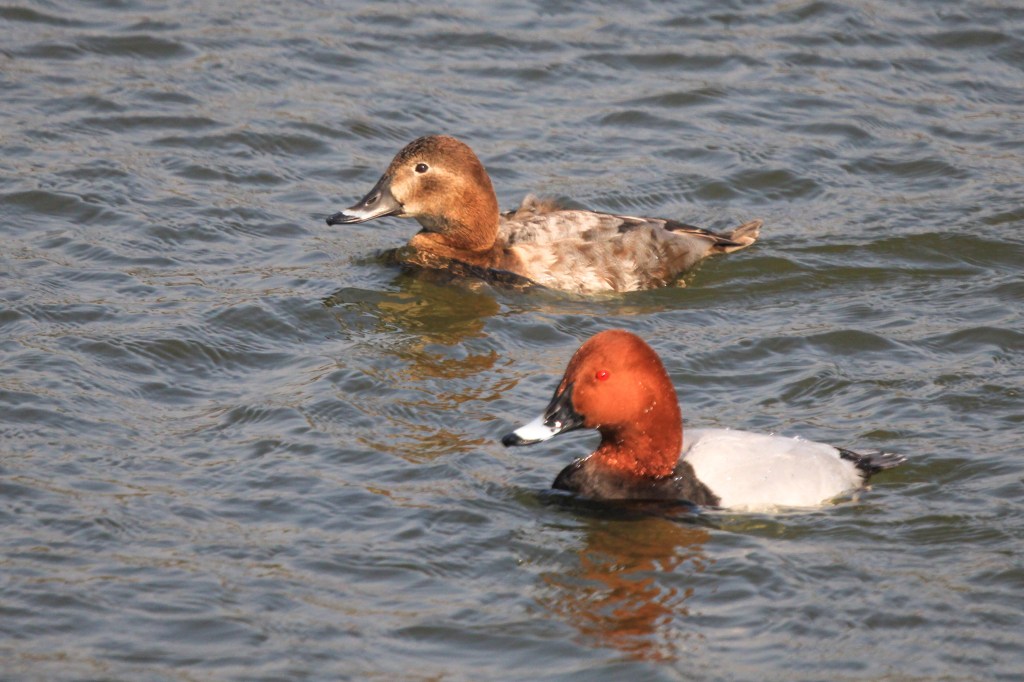
Medium sized diving duck , adult male has a long dark bill with a grey band, a red head and neck, a black breast, red eyes and a grey back, adult female has a brown head and body and a narrower grey bill-band. The triangular head shape is distinctive.
Tufted Duck
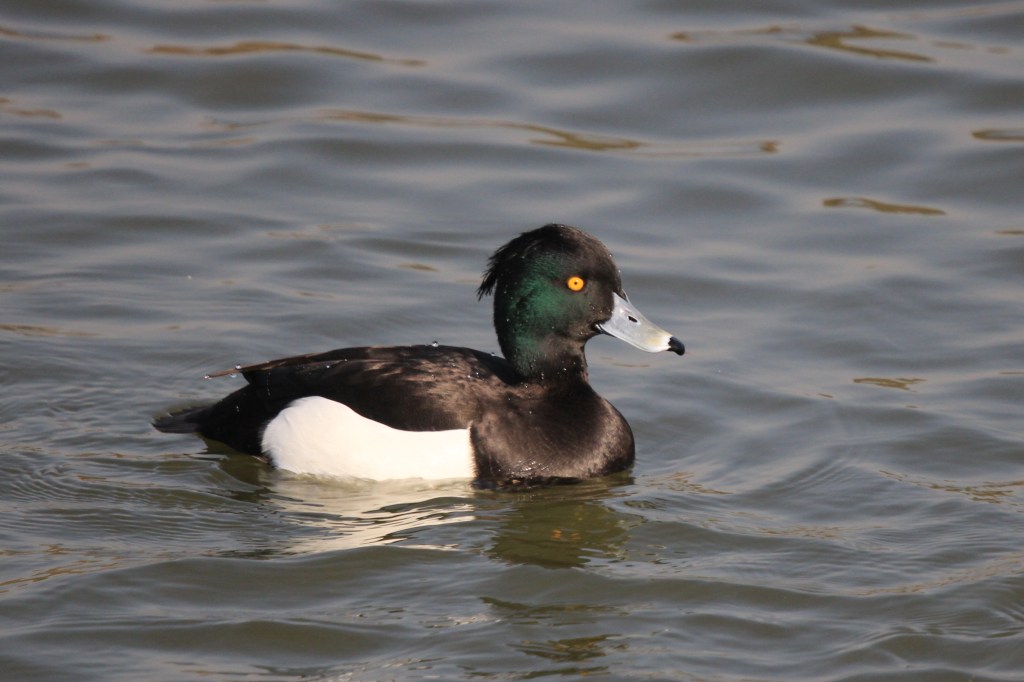
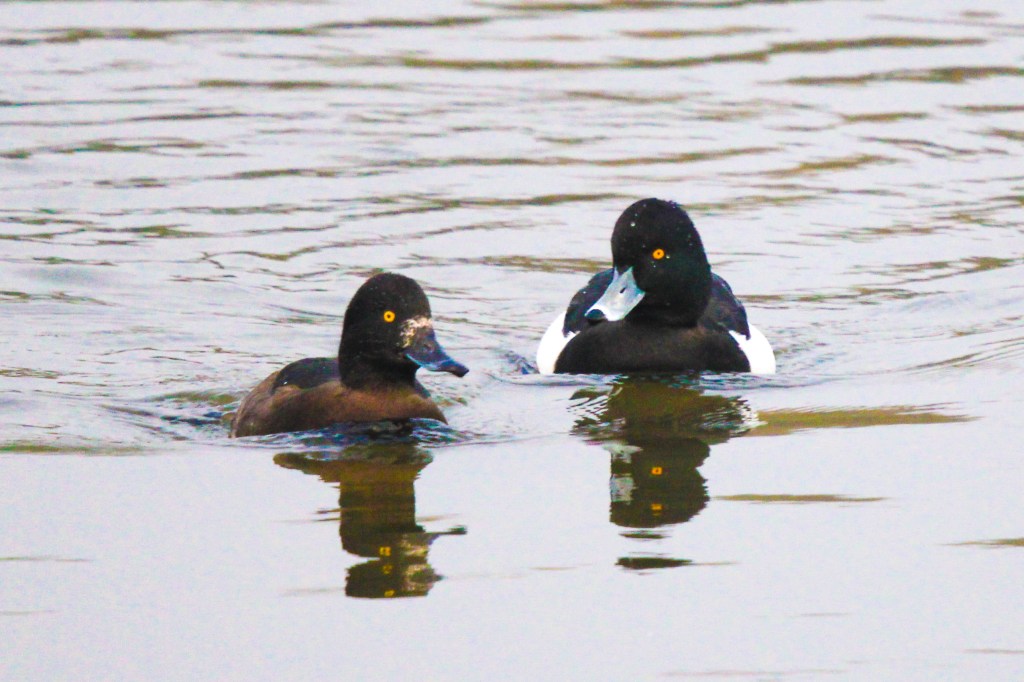
The tufted duck is medium-sized diving ducks ,with short bodies and large heads. They are called tufted ducks because they have a unique tuft on their heads ( clearly visible in the left image )
Little Grebe
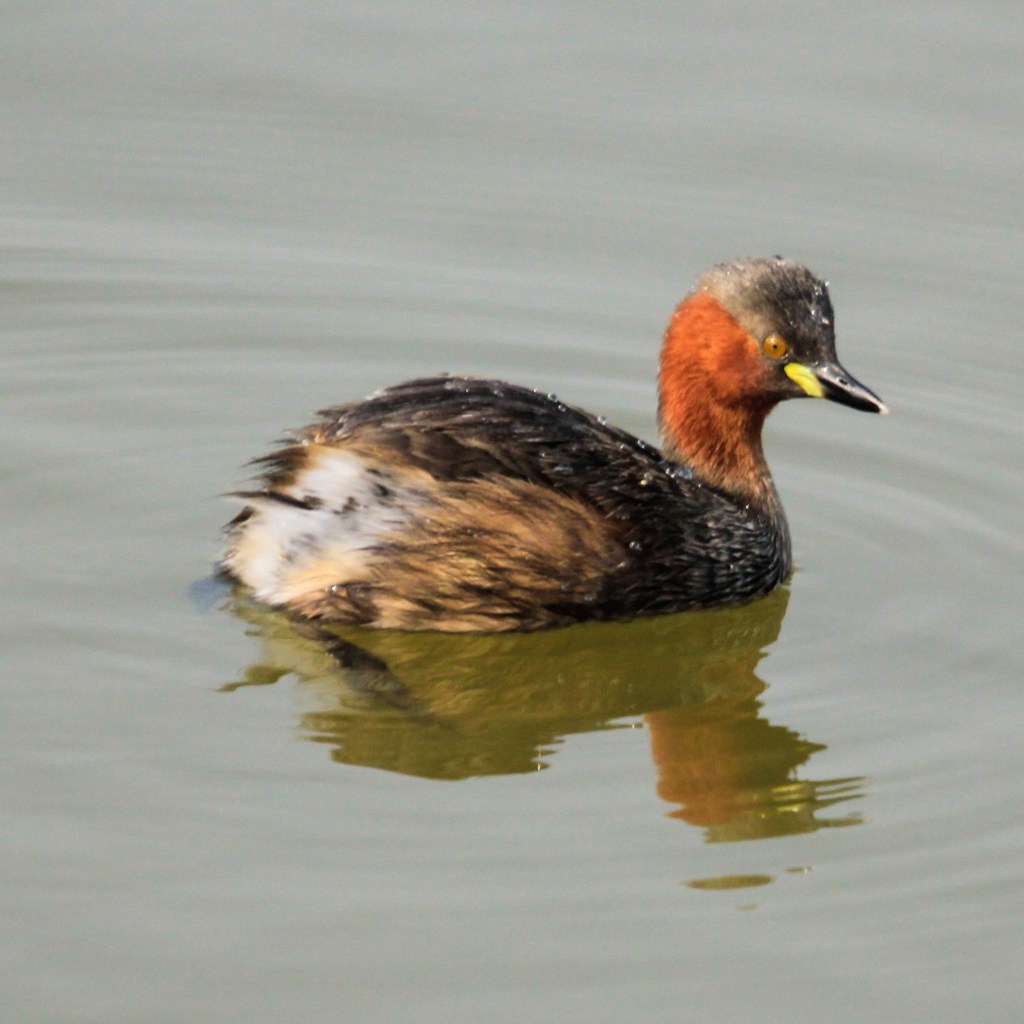

Small dark brown bird with white under parts, only six inches long with a short neck and no tail. This bird resembles a duck, but the grebe and the duck have nothing in common. These birds are divers who use their wings to propel themselves under water in order to get their food. Grebes have “lobed” toes, not webbed feet.
Great Cormorant
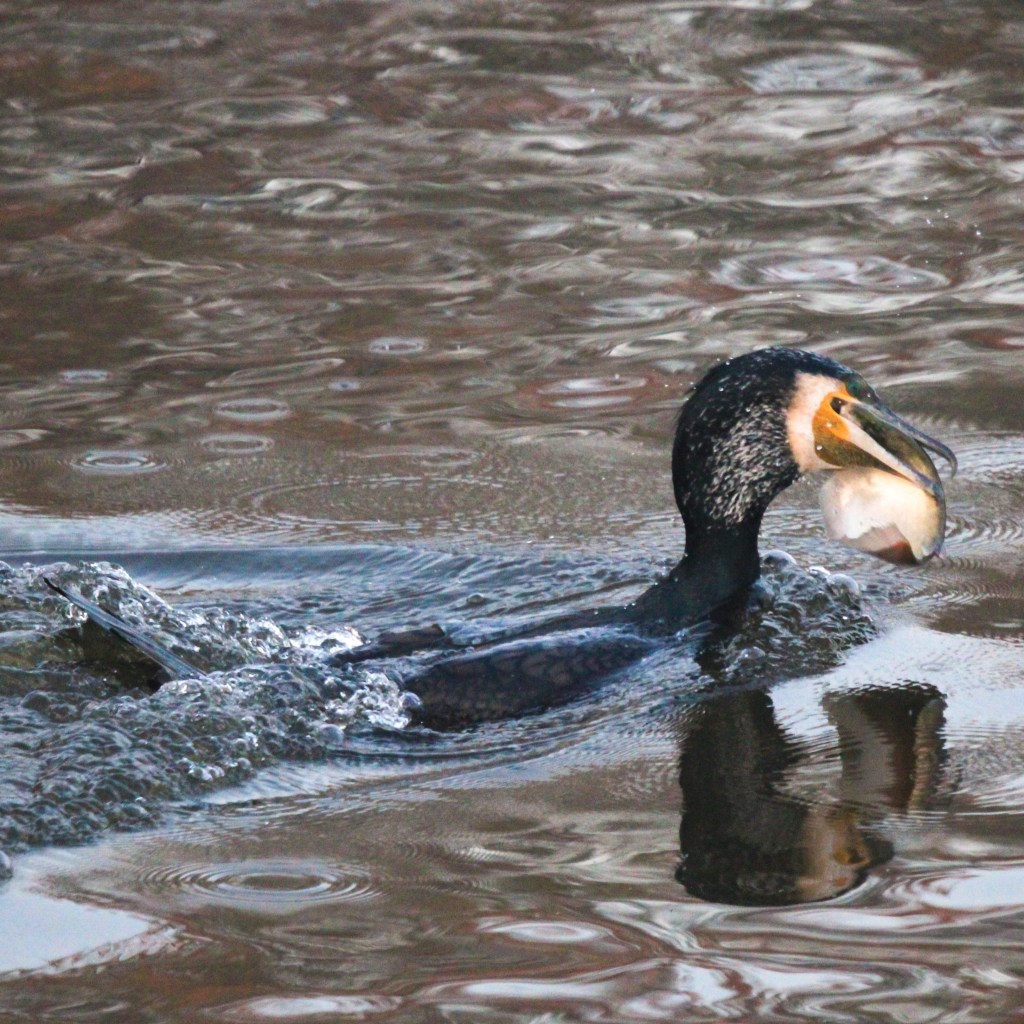
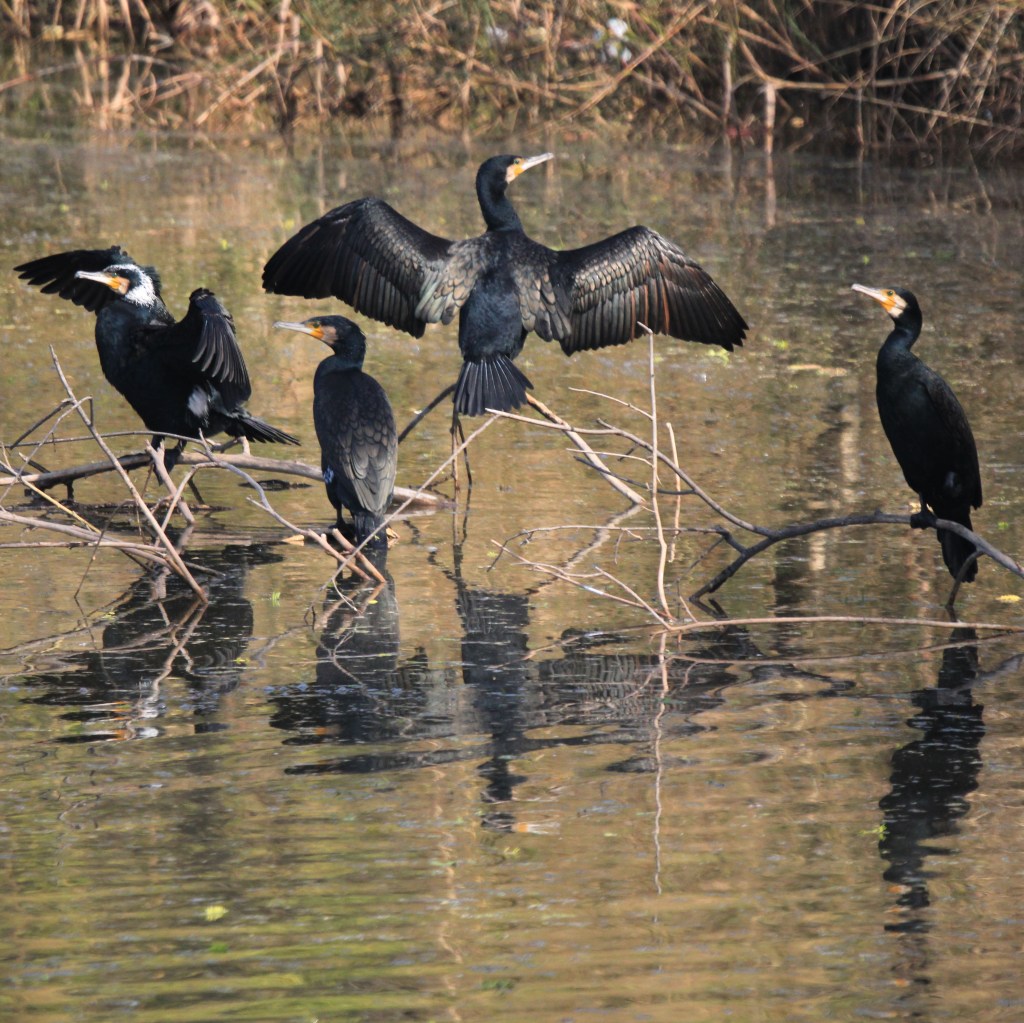
The Great cormorant is a large, long-necked, beautiful black water bird with an oily Plumage which is usually black with an iridescent sheen. It is often seen with its wings spread for drying after it had been diving for fish.
Bar-headed Goose
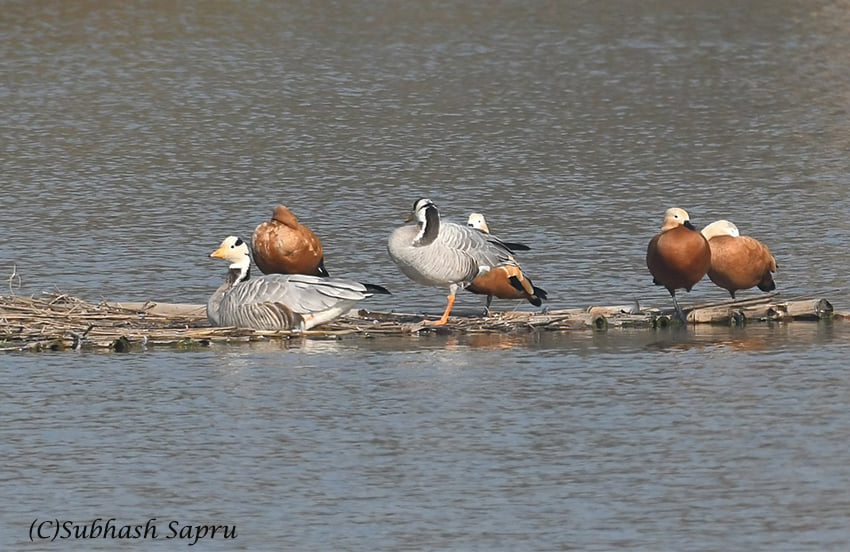
One of the highest flying birds in the world, the Bar-headed goose flies above the Himalayan Mountains when it migrates, at heights that may reach 30,000 feet. This handsome stout-bodied goose gets its name from the double bars of dark feathers that wrap around the back of its white head.
Black-crowned Night-Heron

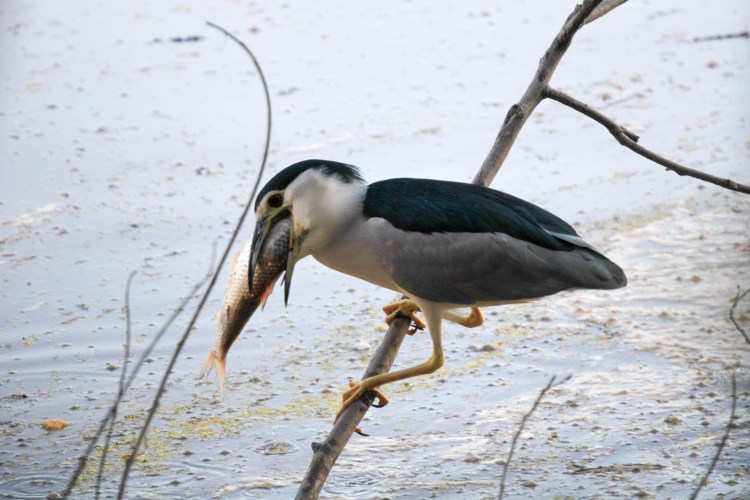
The Black-crowned Night-Heron is a black, white and grey bird, identified by its black cap and back, white neck and grey wings, stocky build and with neck usually tucked in.
Northern Shoveler
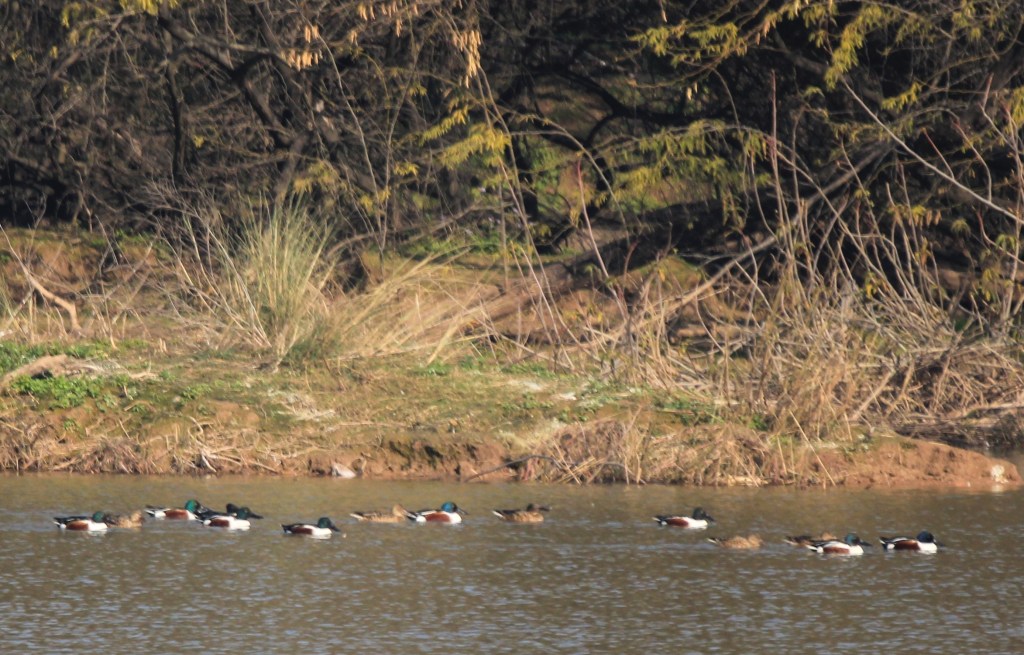
The name of the Northern Shoveler is derived from its highly specialized spoon shaped bill that is used to forage for aquatic invertebrates. Both males and females have different patterns and colorings. Breeding male shovelers are bold white, blue, green, and rust, but their most notable feature is their white chest and white lower sides.
Northern Pintail
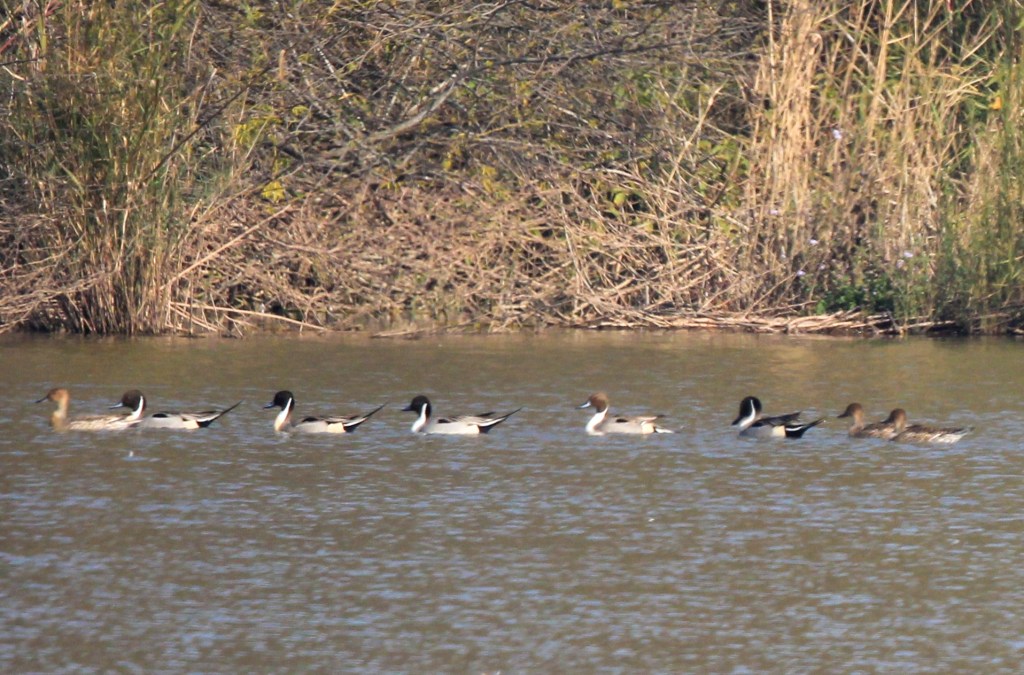
An elegant medium-sized dabbling duck with a slim profile, long narrow neck and pointed tail, that is native to the northern areas of Europe. The male’s long central tail feathers give rise to the species’ English and scientific names.
Mallard
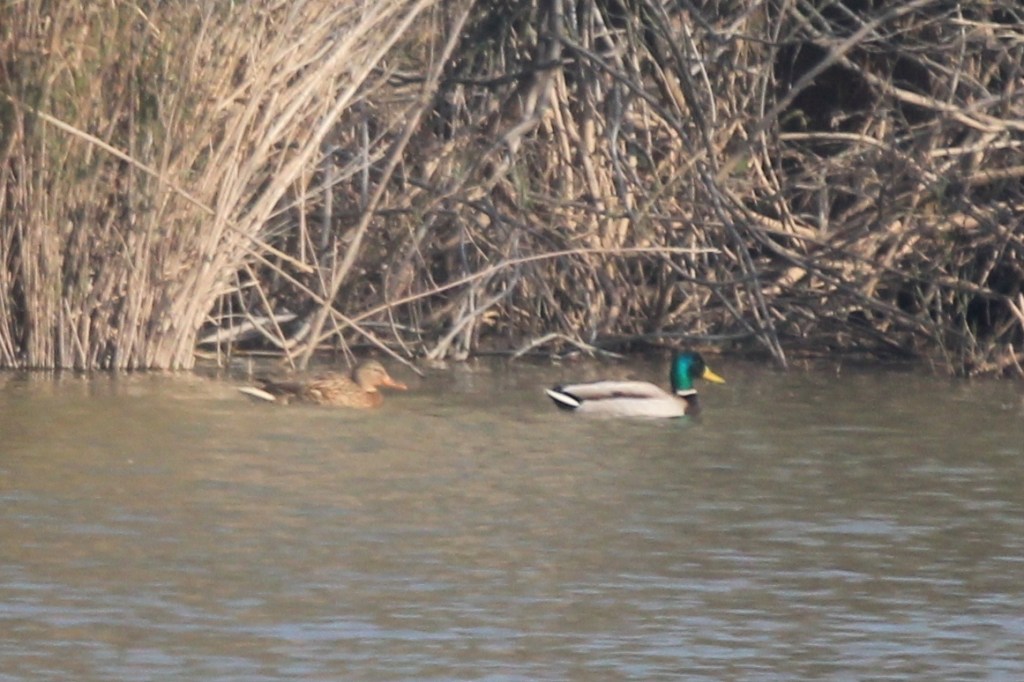
Mallards are large ducks with hefty bodies, rounded heads, and wide, flat bills. Like many “dabbling ducks” the body is long and the tail rides high out of the water. Male Mallards have a dark, iridescent-green head and bright yellow bill. The gray body is sandwiched between a brown breast and black rear. Females and juveniles are mottled brown with orange-and-brown bills. Both sexes have a white-bordered, blue “speculum” patch in the wing.
Green – winged Teal
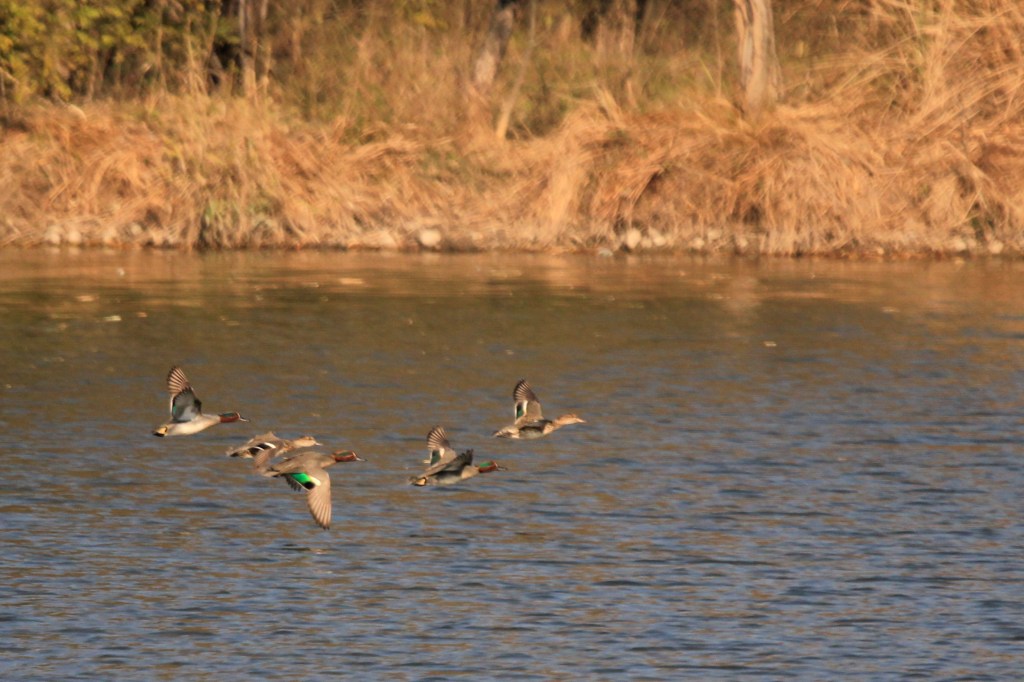
Its name is derived from the green crescent present on its wings that are mainly visible while it flies. This green mark or speculum is present in both male and female birds. The most striking thing about the green-winged teal is, of course, the green eye patch that is seen in the males.
Gadwall
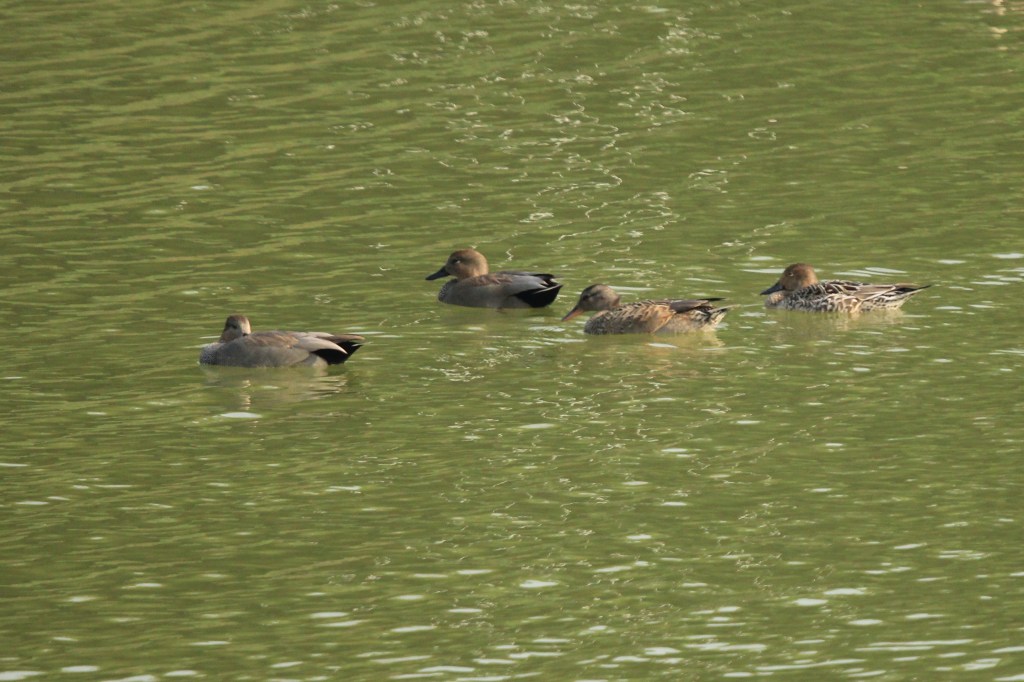
Males are intricately patterned with gray-brown, and with a black patch at the tail; females resemble male Mallards, although with a thinner, darker bill. Females are patterned with brown and buff and having a thin orange edge to their dark bills.
Eurasian Coot
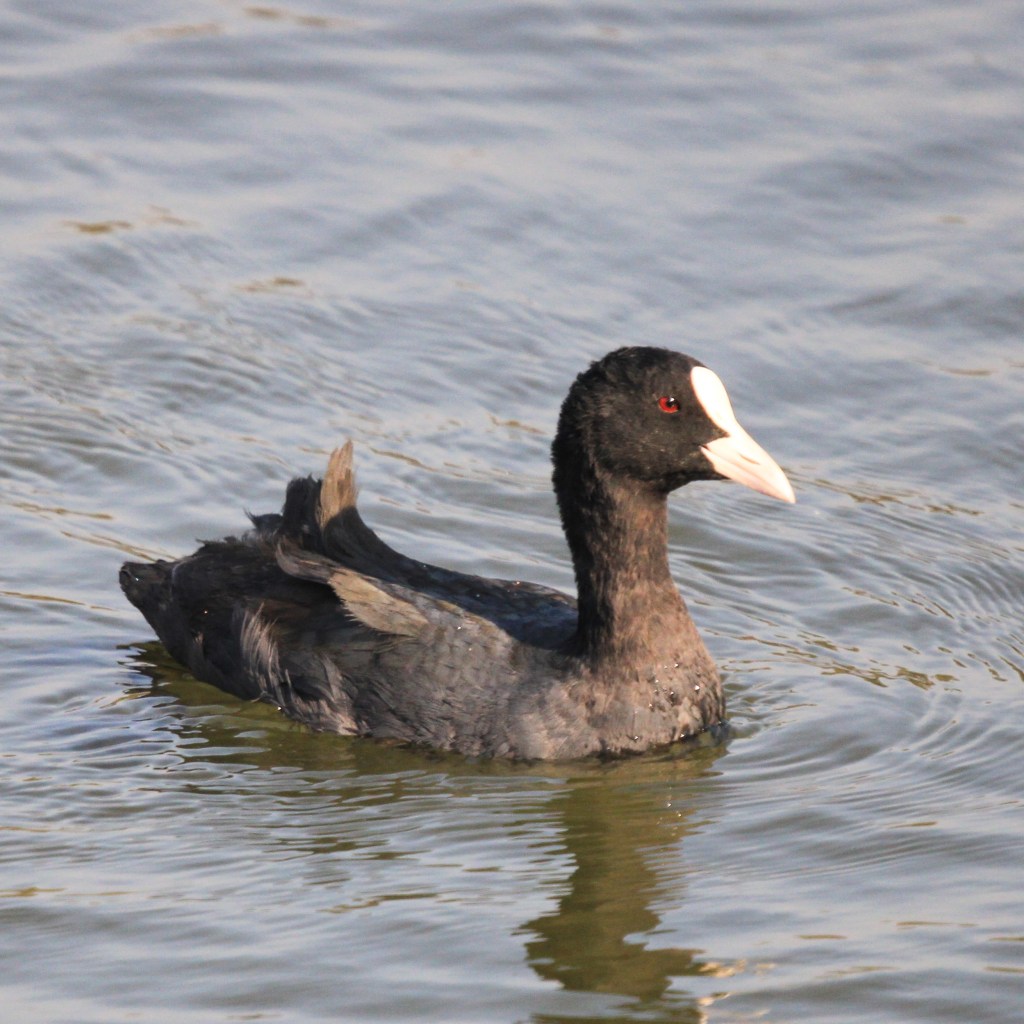
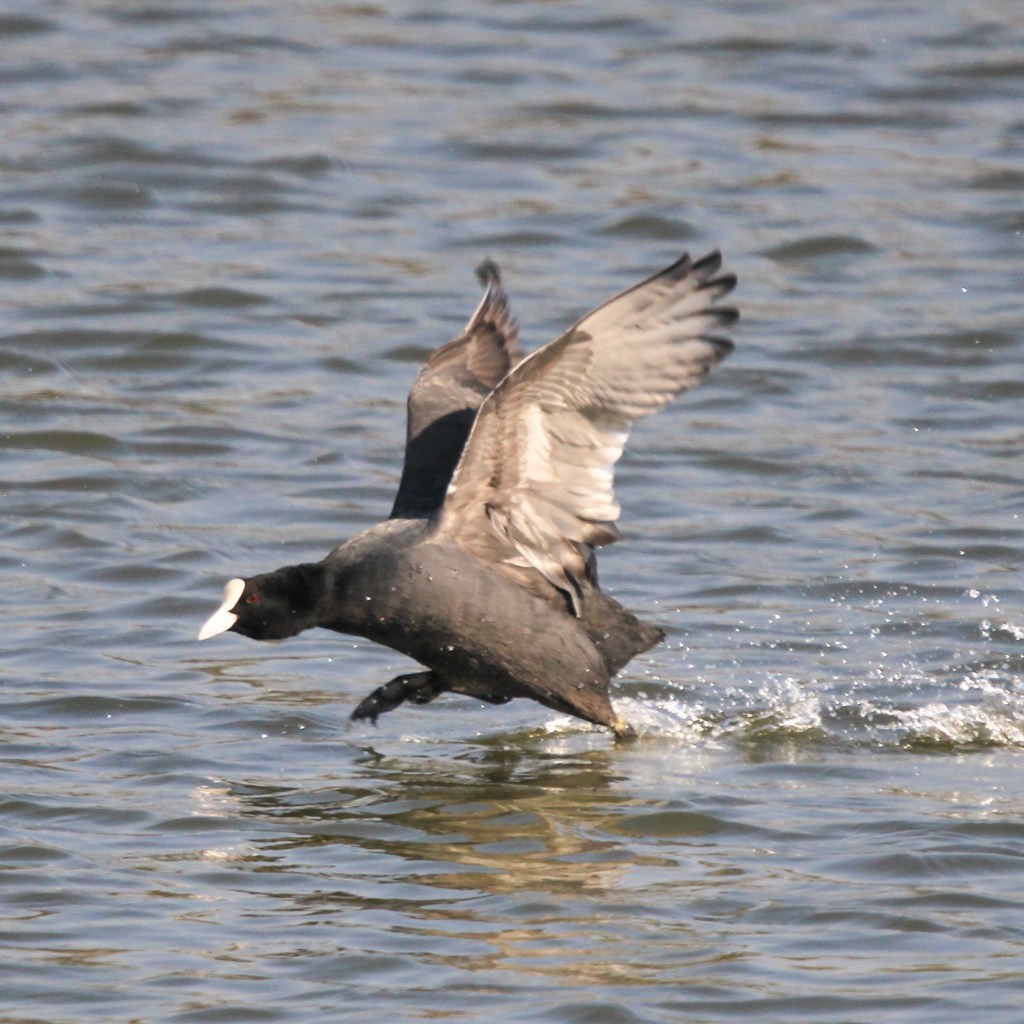
Notable for its slaty black plumage and a lustrous white frontal shield and bill, Eurasian coots are quite reluctant to fly and when taking off, the birds run across the water surface.
Painted Stork
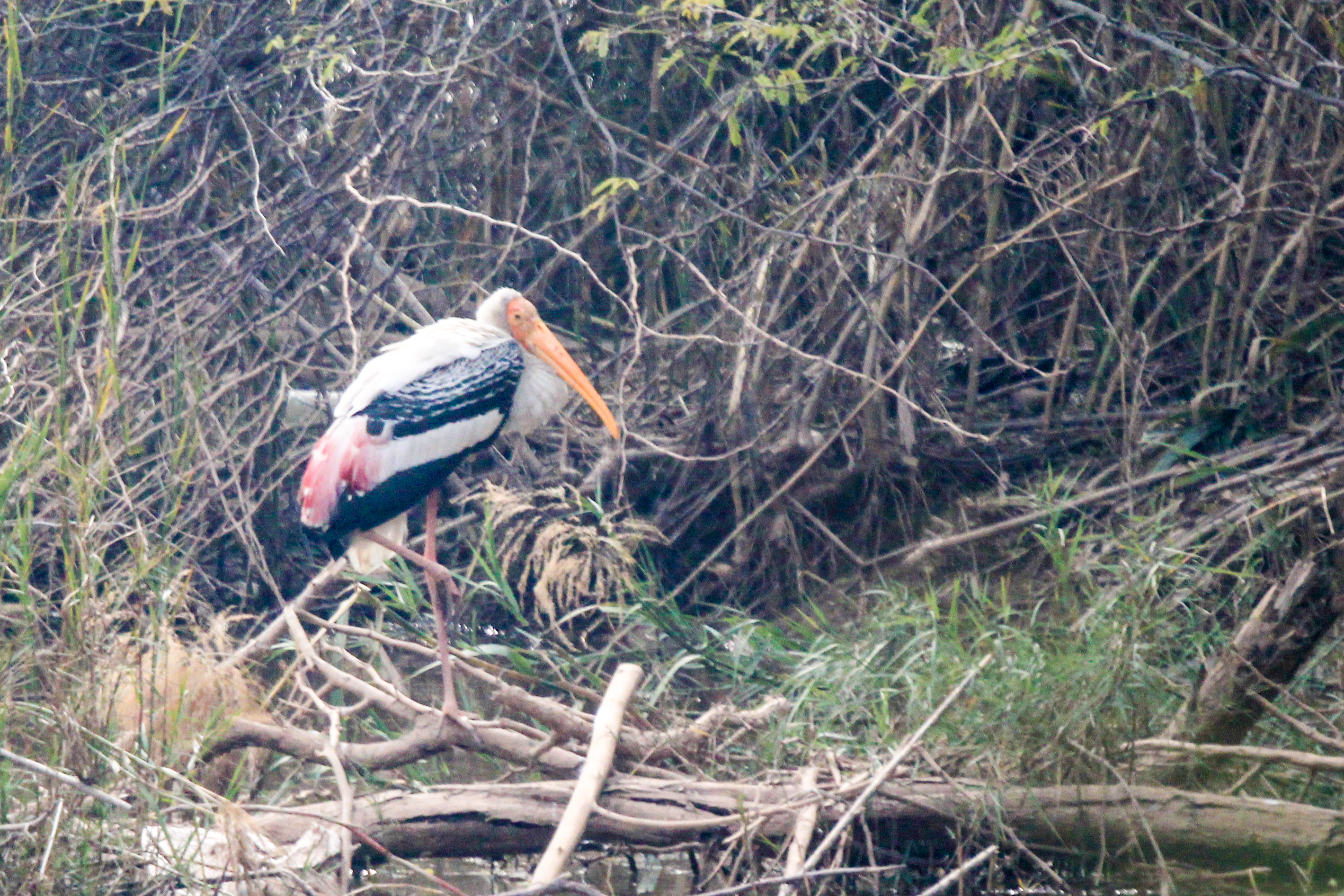
Painted stork wings are a work of art, predominantly the pink feathers are captivating! This name was actually given due to their pink feathers!
Purple Heron
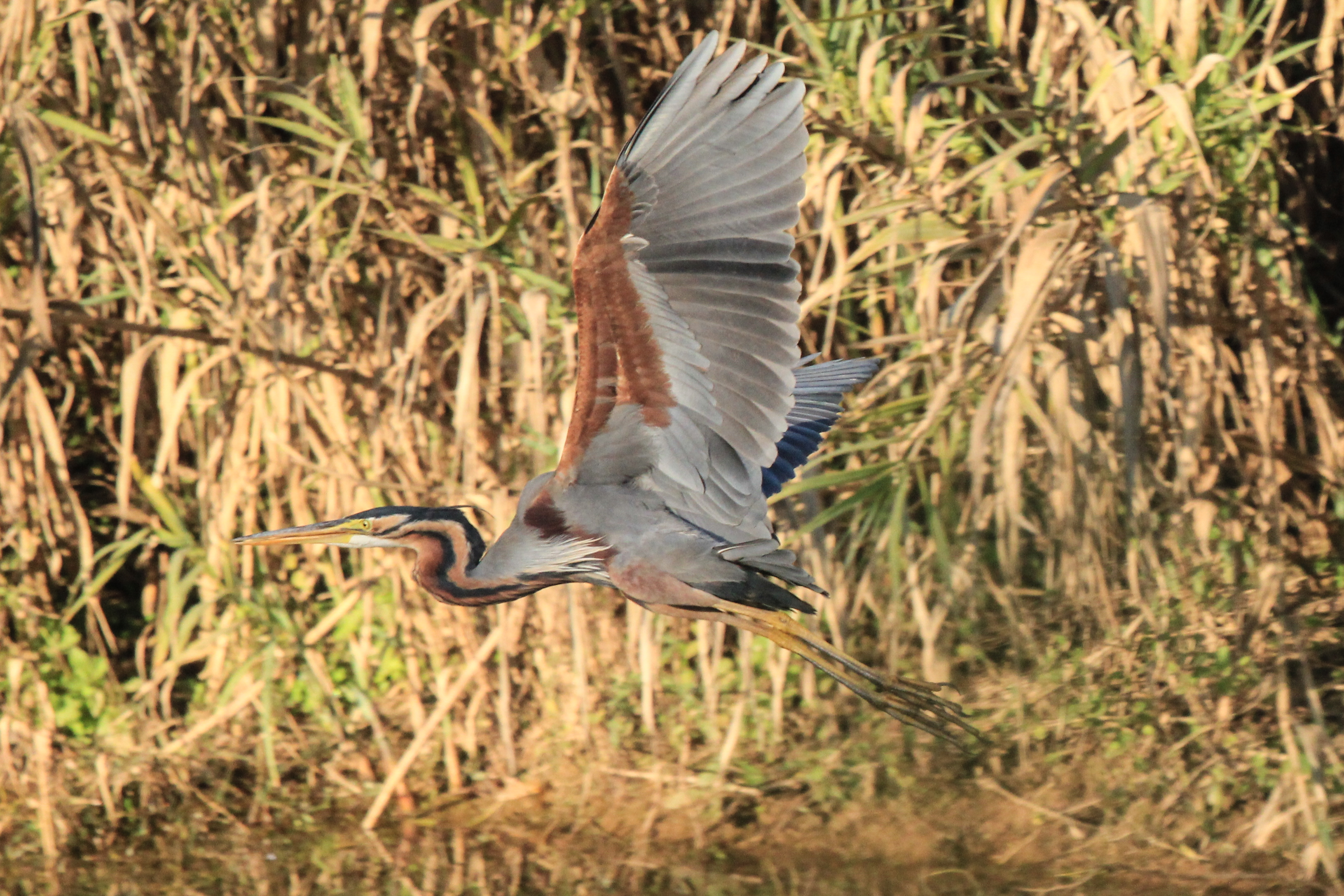
Large heron with rusty head and streaky neck; juvenile is extensively rusty brown on upperparts. Favors fresh marshes with tall reeds and other vegetation. Often more retiring than Gray Heron and rarely seen in open situations
Grey Heron
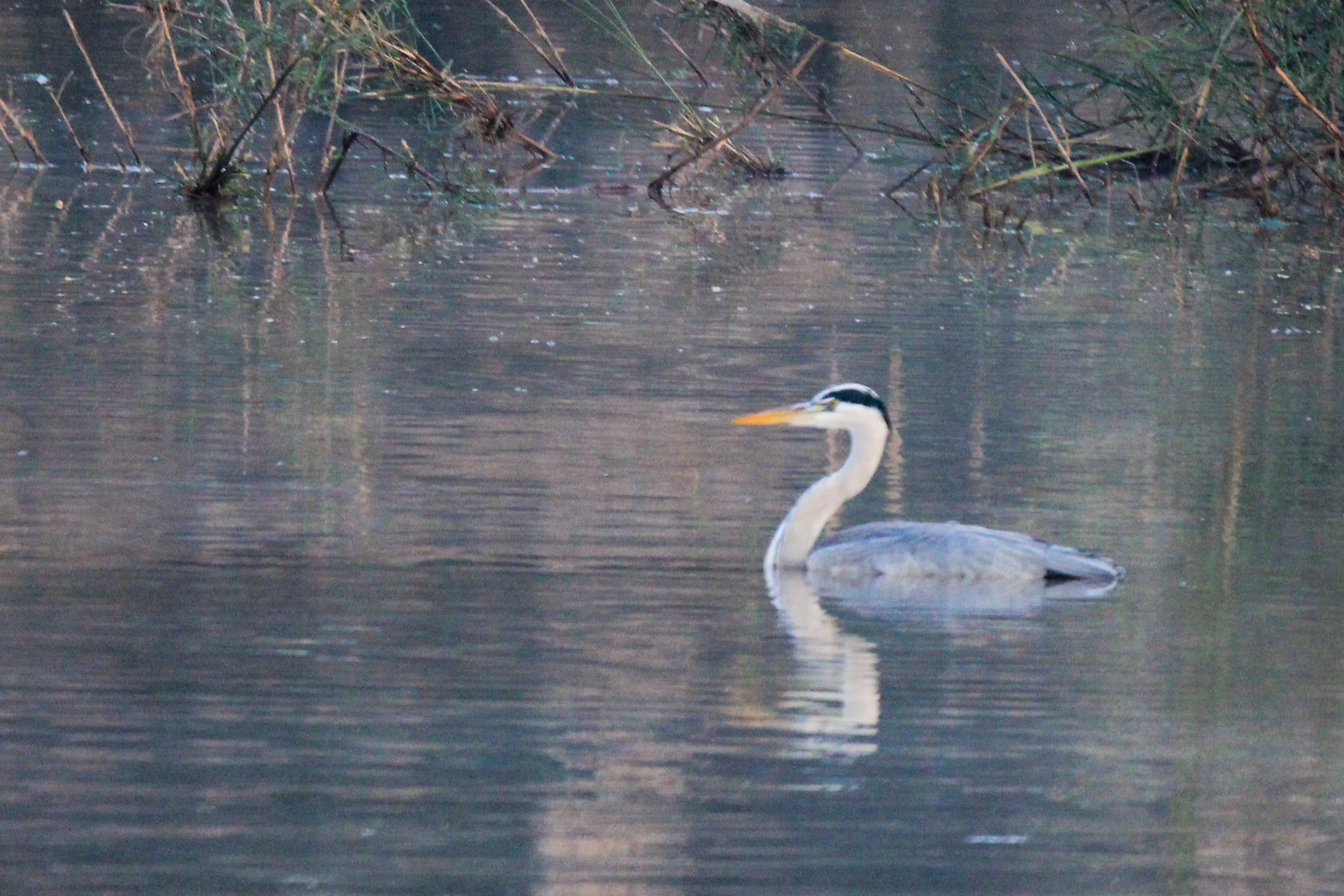
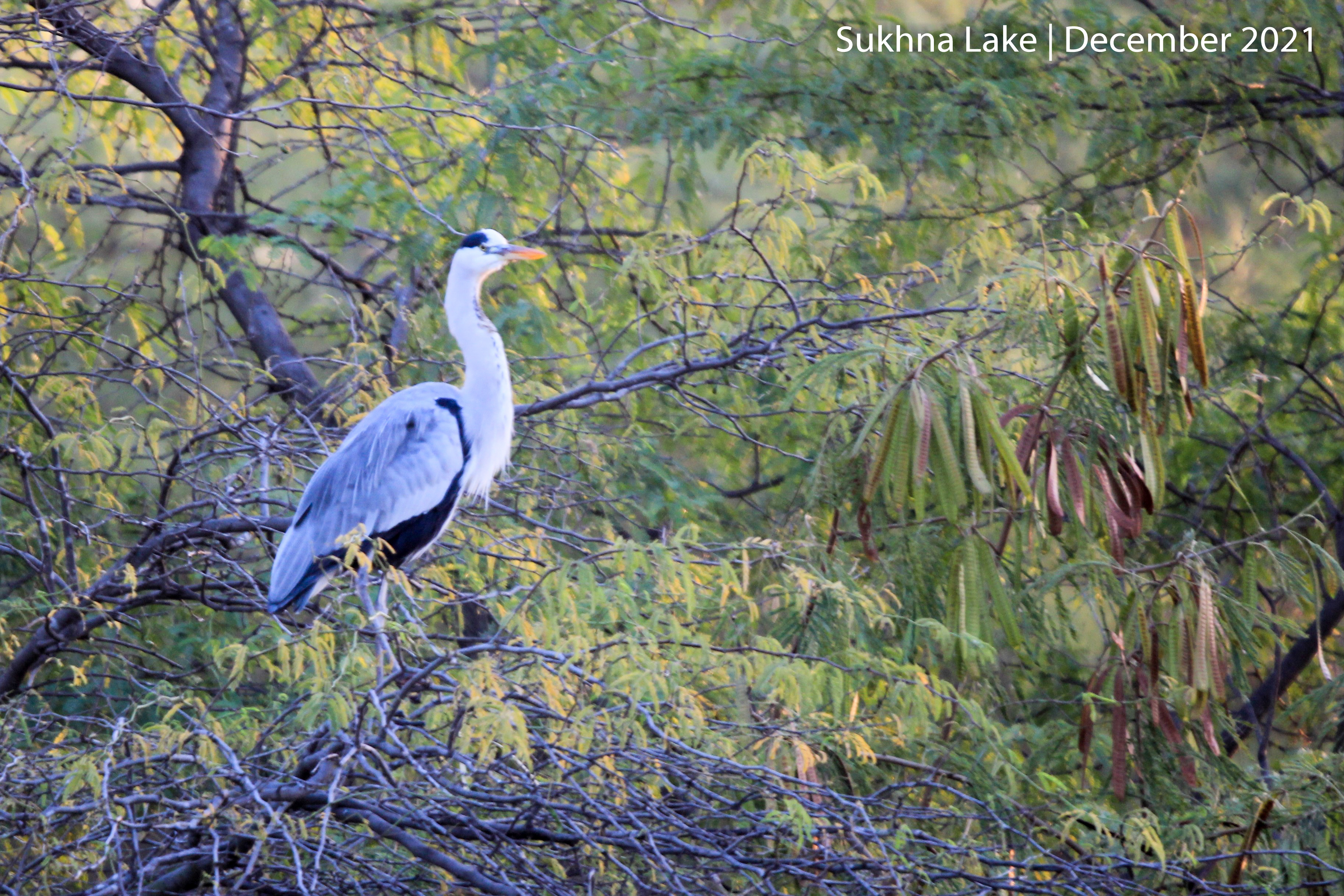
A large mainly grey heron with yellow bill, long legs, whitish head and neck with black crown and head plumes and back patches on belly. Flies with its long legs stretched out with neck pulled in.
Here’s one thing I would like to tell you that these birds come to Chandigarh every year in the winter all that is needed is that we should cherish the atmosphere suitable for these guests so that in the coming years also they come to our city and we get a chance to host them. If you are also interested in nature, then whenever you get a chance, go to these water bodies and enjoy this view of nature. Lastly, while the city of Chandigarh is known for its beauty, planning, and modernity, the arrival of all these birds here every year is proof that despite the development, our city is well connected to nature.
 naturetrail
good job done
LikeLike
Enjoyable reading.
LikeLike