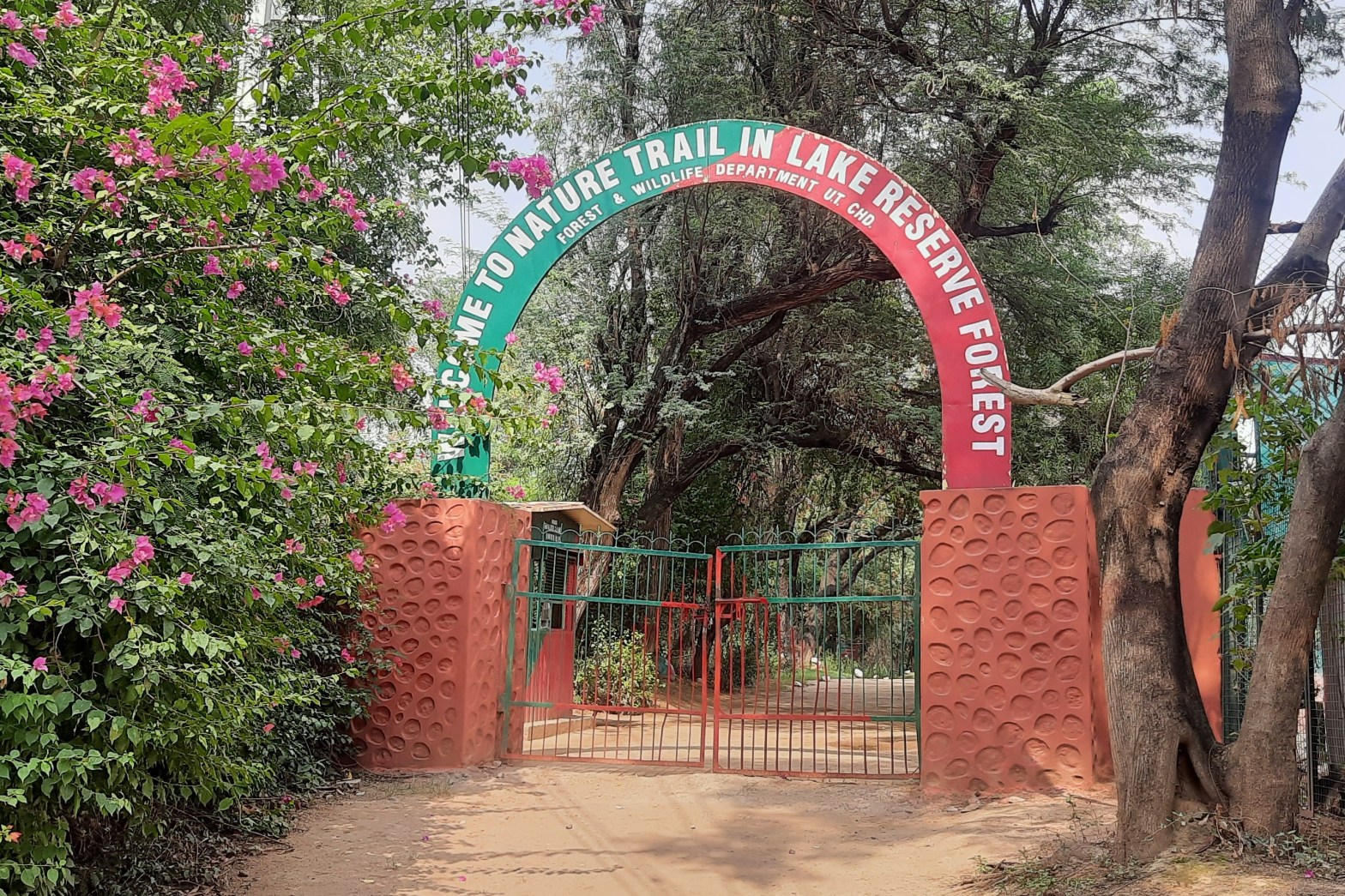
Surrounded by the breathtaking scenery of towering mountains on one side and Sukhna Lake on the other, Lake Reserve Forest has a rich variety of Flora and Fauna. The park is open from 6 am to 6 pm daily, and entry is free for all visitors. It is located just a short drive from the city center and is easily accessible by public transport. The park is open daily from sunrise to sunset.
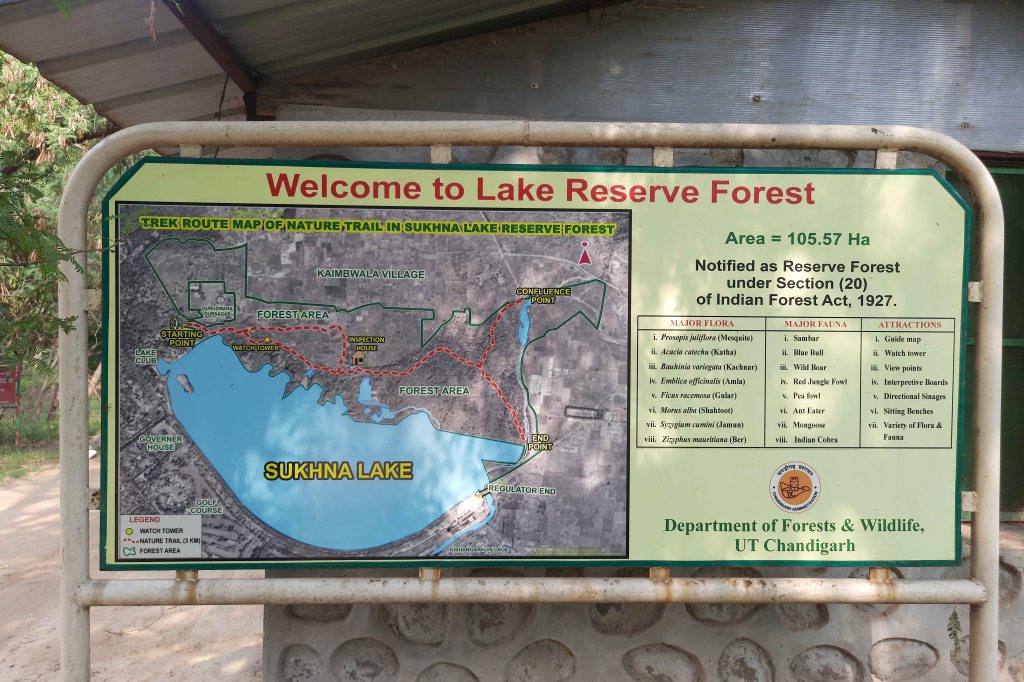
One of the best ways to explore the forest is by strolling along the scenic Nature trail. This path cross through the beautiful forest area and by the lakes, and highlights the beauty of the natural flora, which includes lush trees, shrubs, grasses, climbing vines, and herbs.
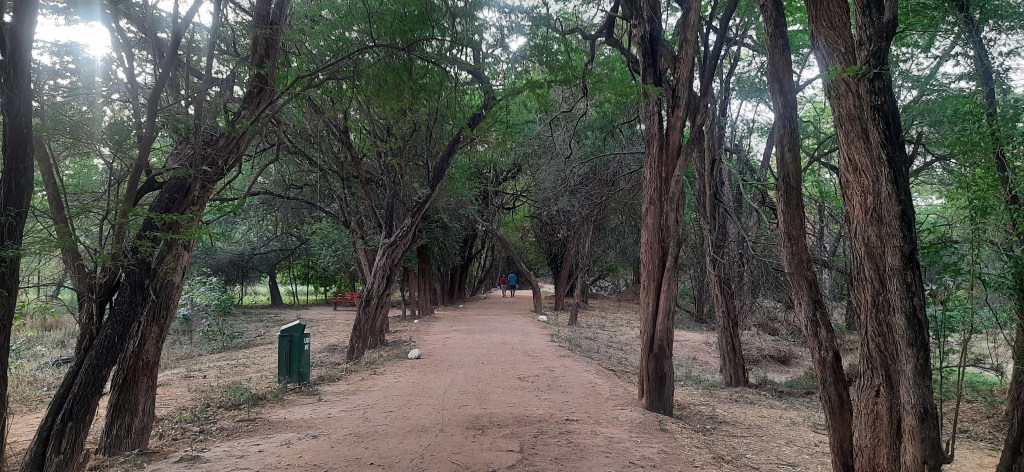
It takes you through the different habitats of the park and provides an excellent opportunity to see the animals and plants up close. The trail starts from the Bird Park and ends at the Regulator End and is about three kilometers long. It takes about two hours to enjoy the flora and fauna of the Lake Reserve Forest.
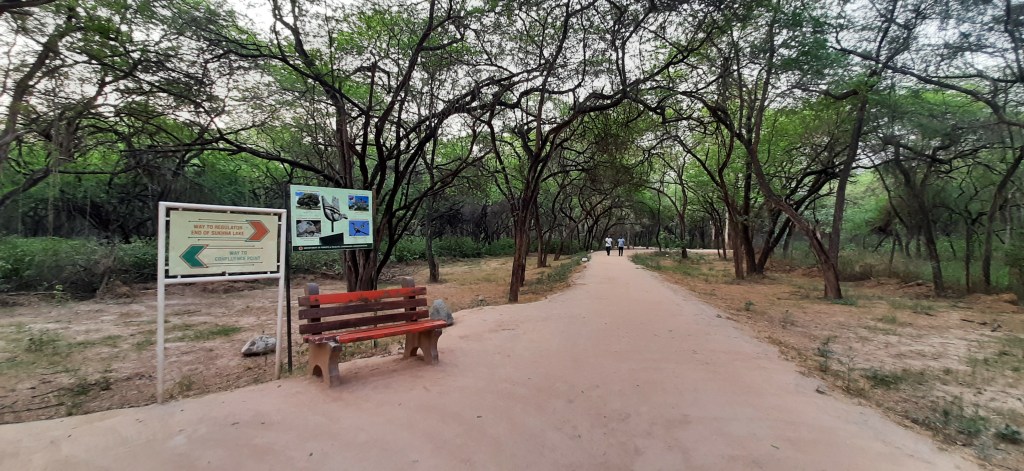
The department of Forests and Wildlife is maintaining the Forest area and the trail. For the convenience of visitors, Guide Maps, Interpretive boards, Directional Signages, Benches, etc have been provided at suitable locations. Also many of us may not be aware of the state bird , state animal and state tree of Chandigarh. All of these can be found at the Lake Reserve Forest and the department has put up special boards to create awareness in this regard.
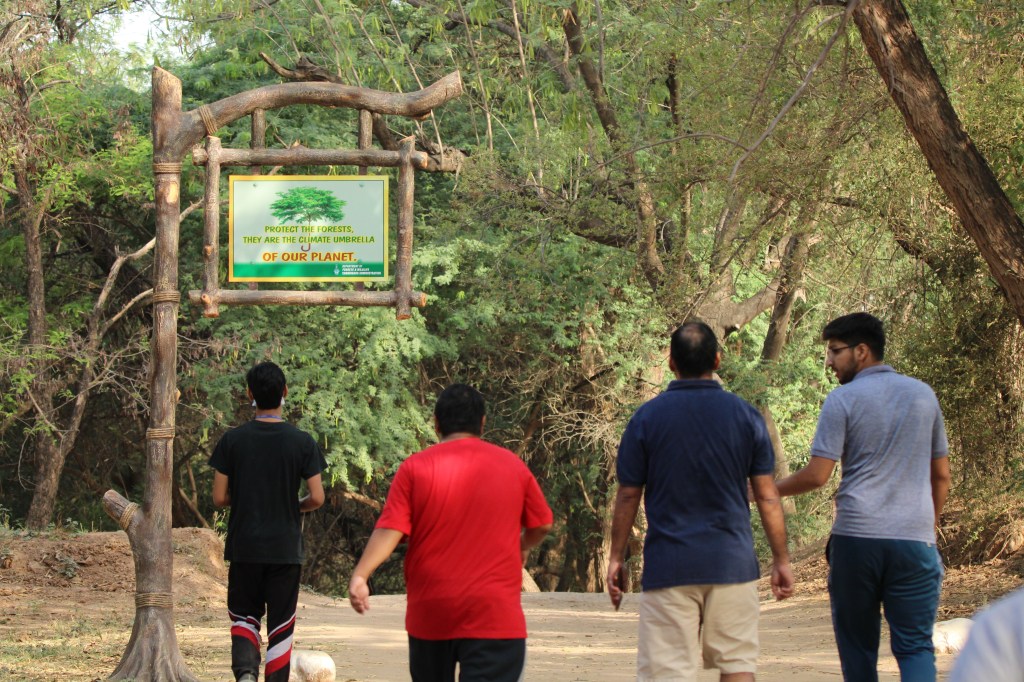
I have been going through the Lake Reserve Forest for the last two and a half years and sharing some of my best clicks to explain the bio diversity of the area.
BIRD WATCHING
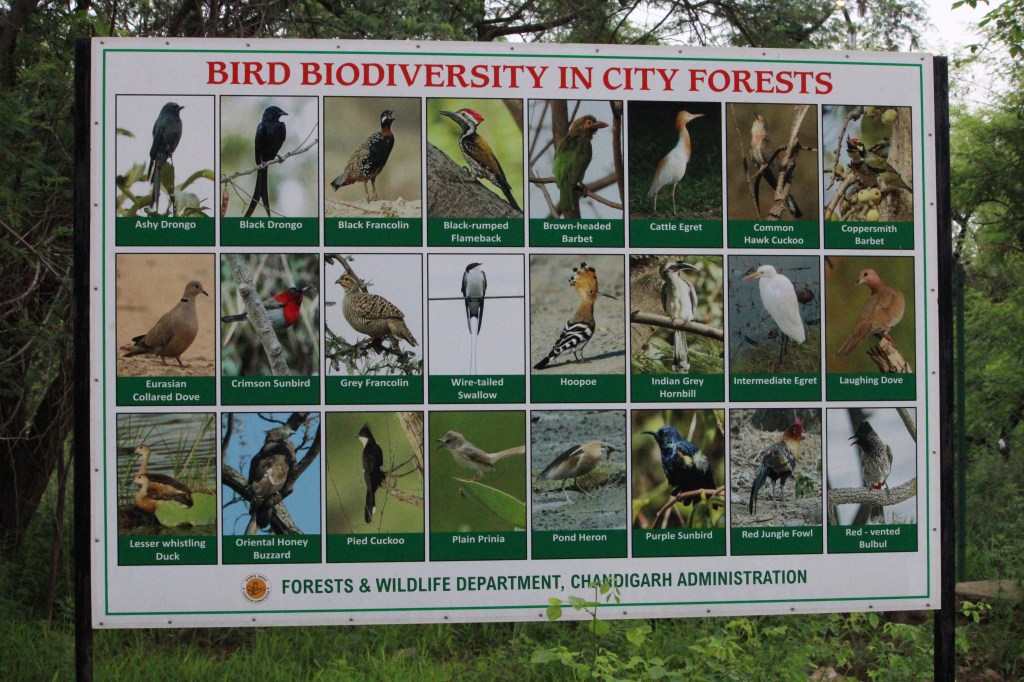
This forest is a great place for bird watching, as the variety of habitats in the park attracts a large number of different bird species. It is home to over 200 species of birds including resident birds, and migratory birds. Peaceful mornings may be the best time for bird watching. The nature trail takes you through the different habitats of the park and provides an excellent opportunity to see the birds up close.
RESIDENT BIRDS
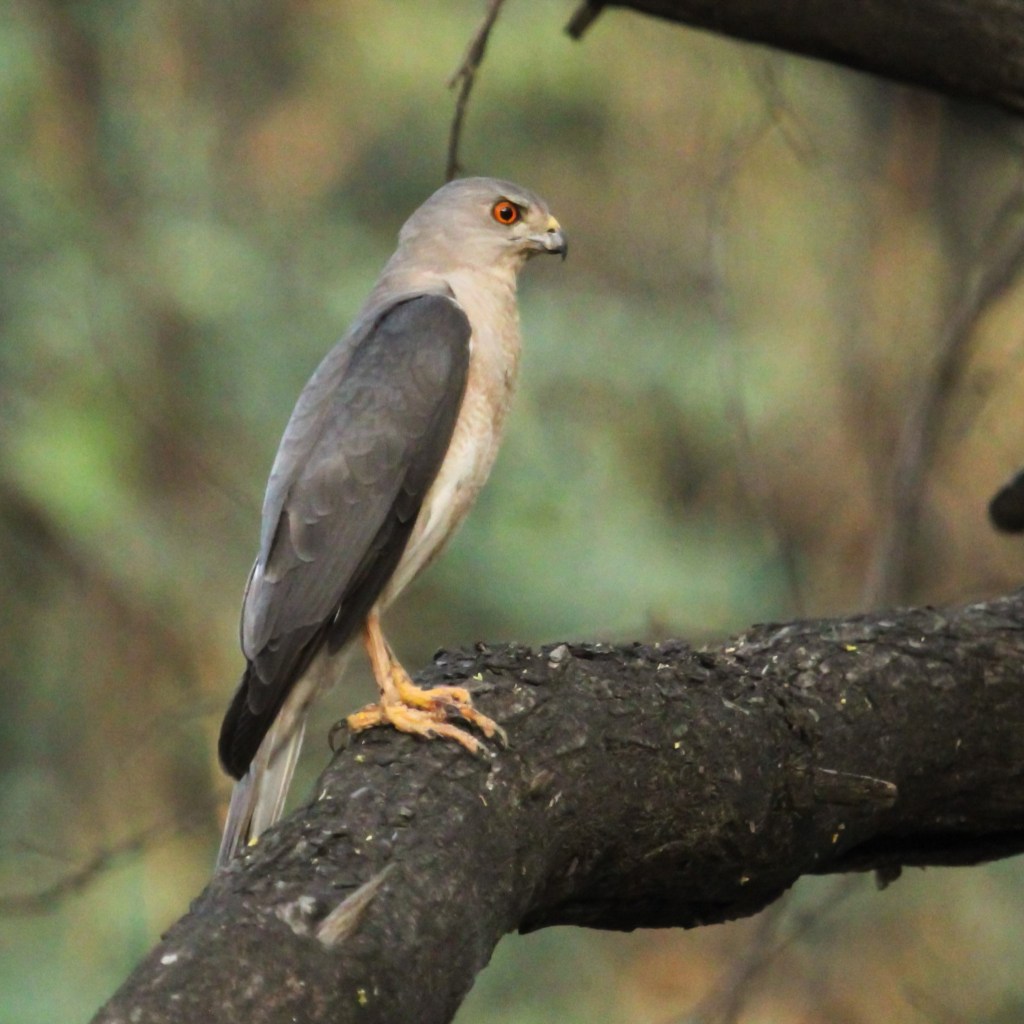
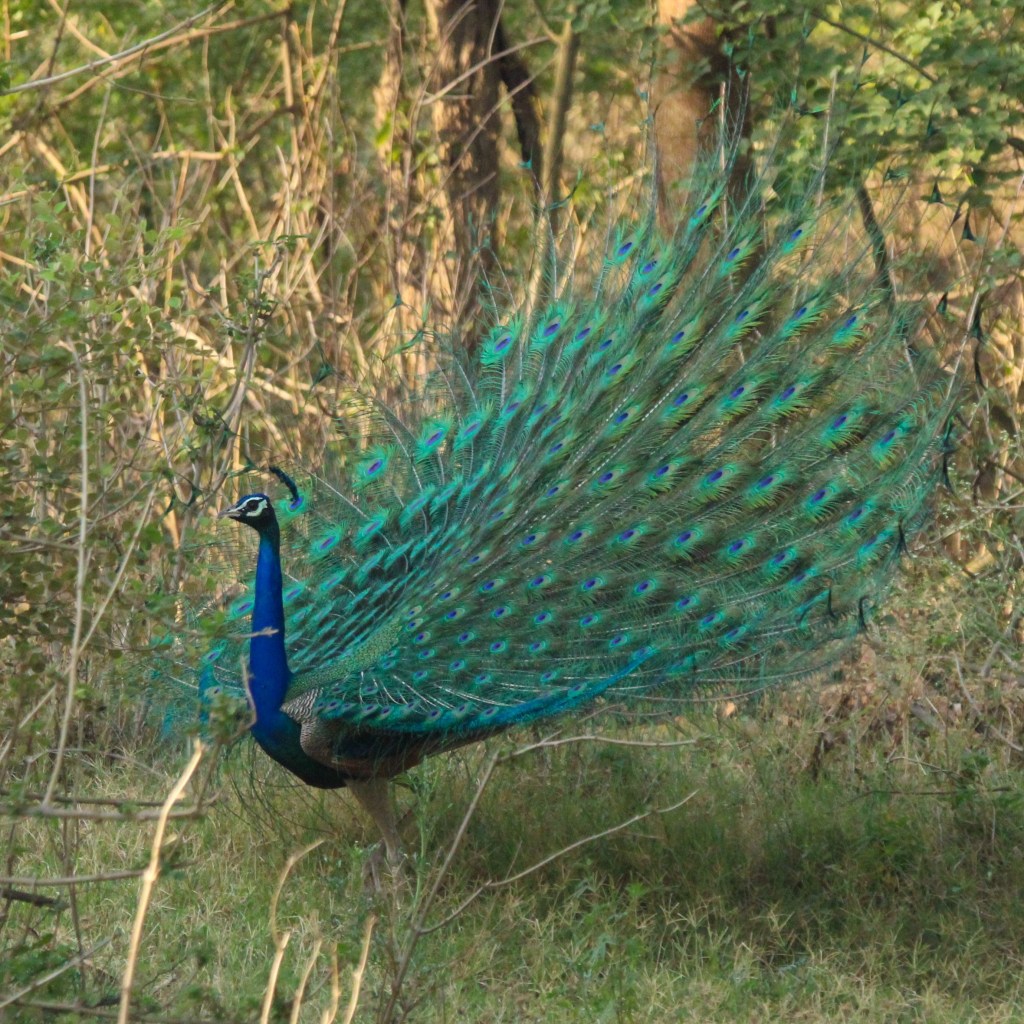
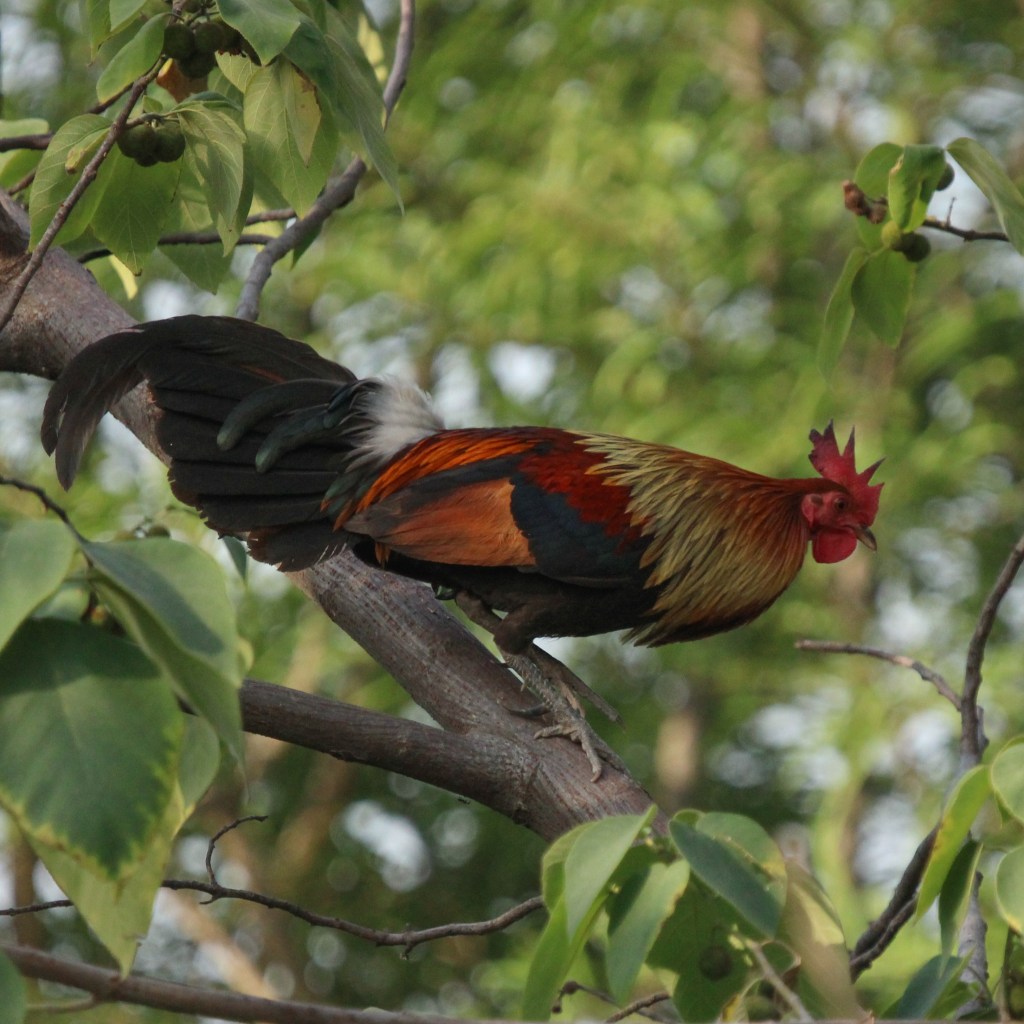
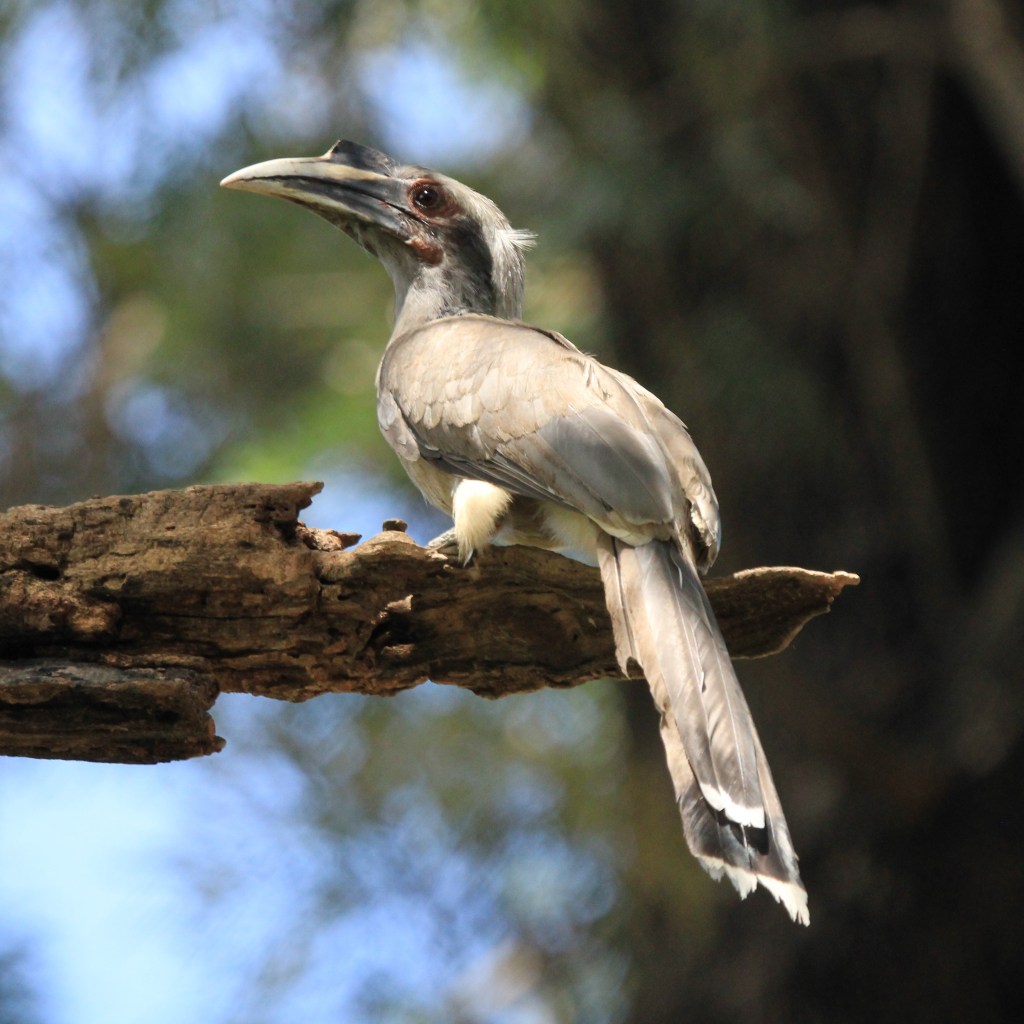
Resident Birds including our National Bird, Indian Peafowl, State bird of Chandigarh Indian Grey Hornbill, Asian Koel, Greater Coucal, Spotted Owlet, Shikra, Black-rumped flameback, Rufous Treepie, Indian Peafowl, Red Junglefowl can be seen throughout the Year in the forest area along the trail.
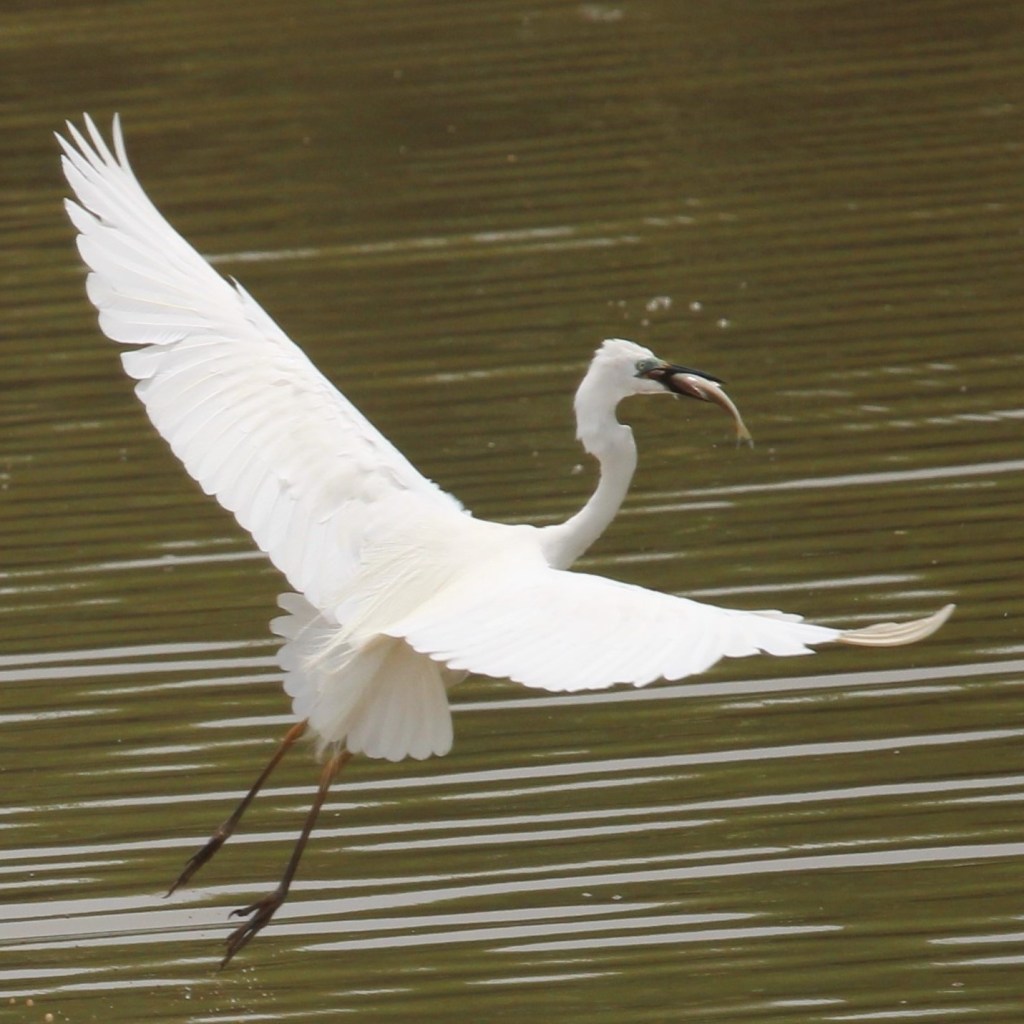
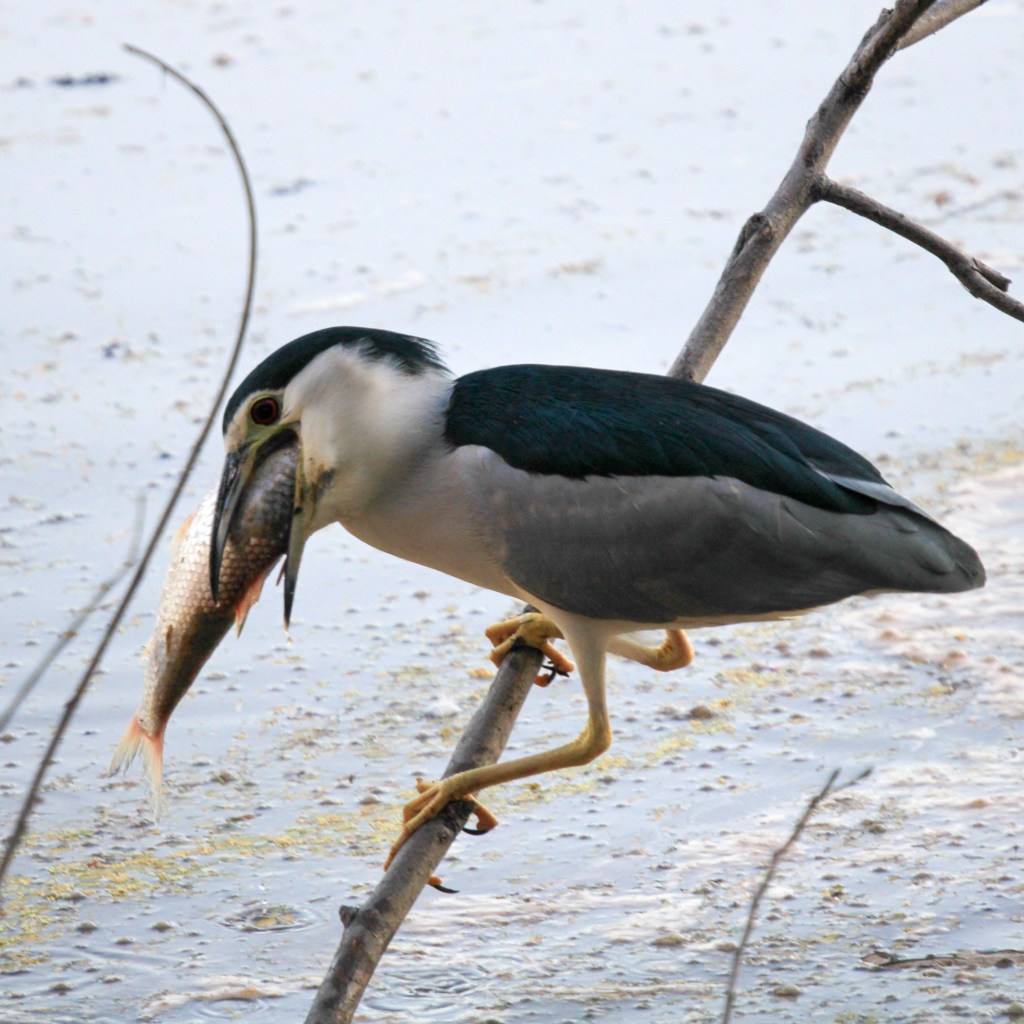
While White-throated Kingfisher, Common Kingfisher, White-breasted Waterhen, Knob billed duck, Painted Stork, Cattle Egret, Great Egret, Black-crowned Night-Heron, Little Cormorants can be seen near the regulator end along the water body.
WINTER VISITORS
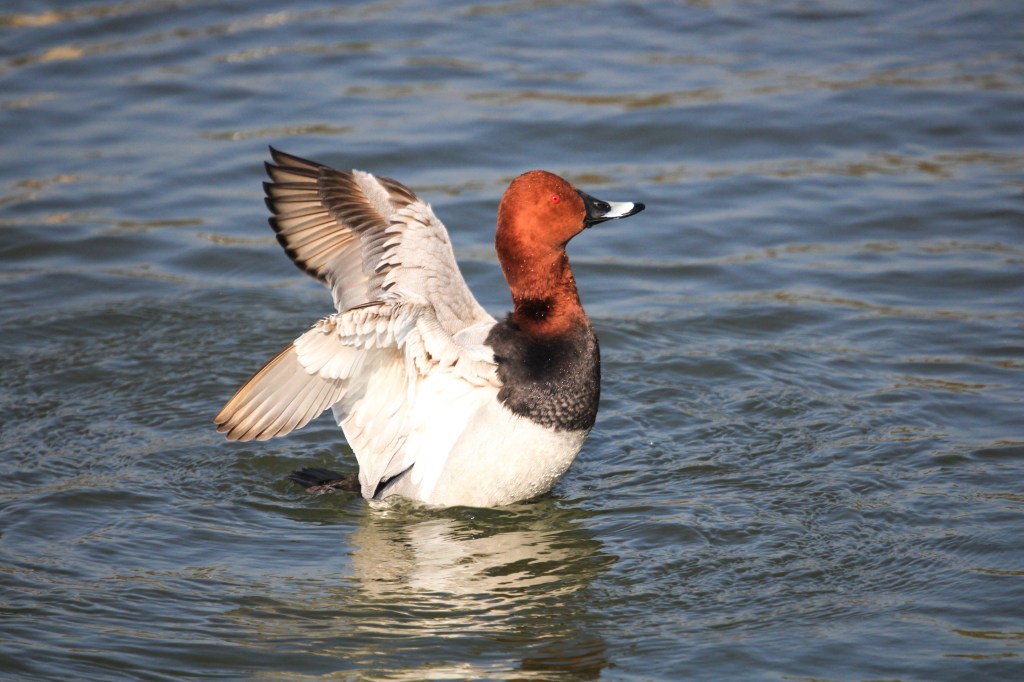
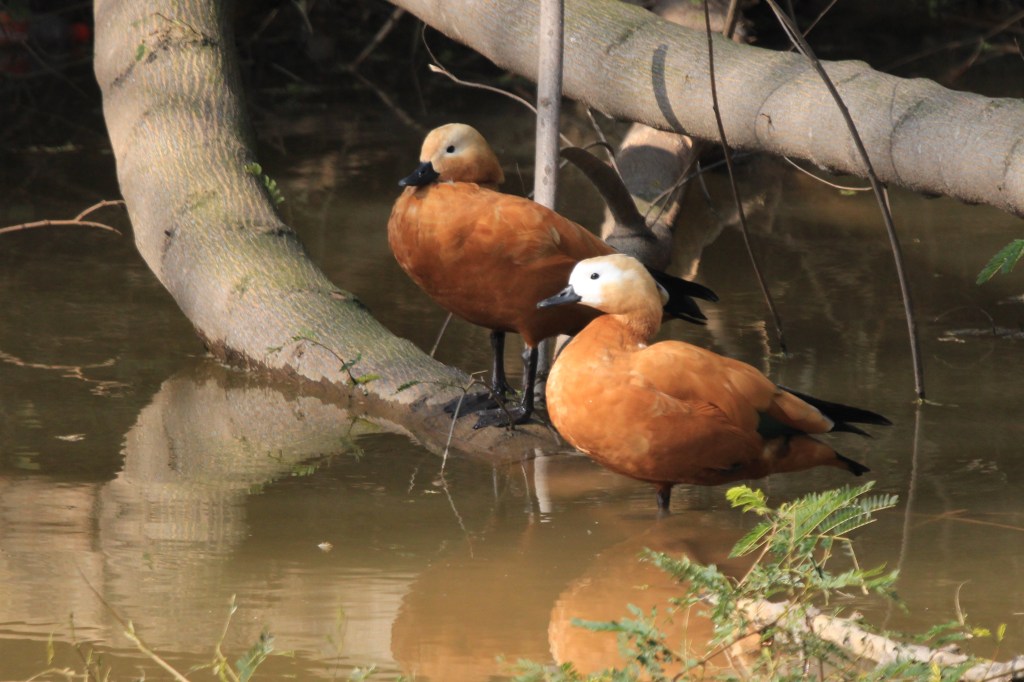
During the winter season, we can see a variety of migratory birds. The calm waters of Sukhna Lake attract migratory species like Bar-headed Goose, Ruddy Shelduck, Gadwall, Mallard, Northern Shoveler, Northern Pintail during the winter months. Many types of birds make their way from Siberia, Central Asia, China, Afghanistan, and the upper Himalayas to stay at Sukhna Wildlife Sanctuary from November through March.
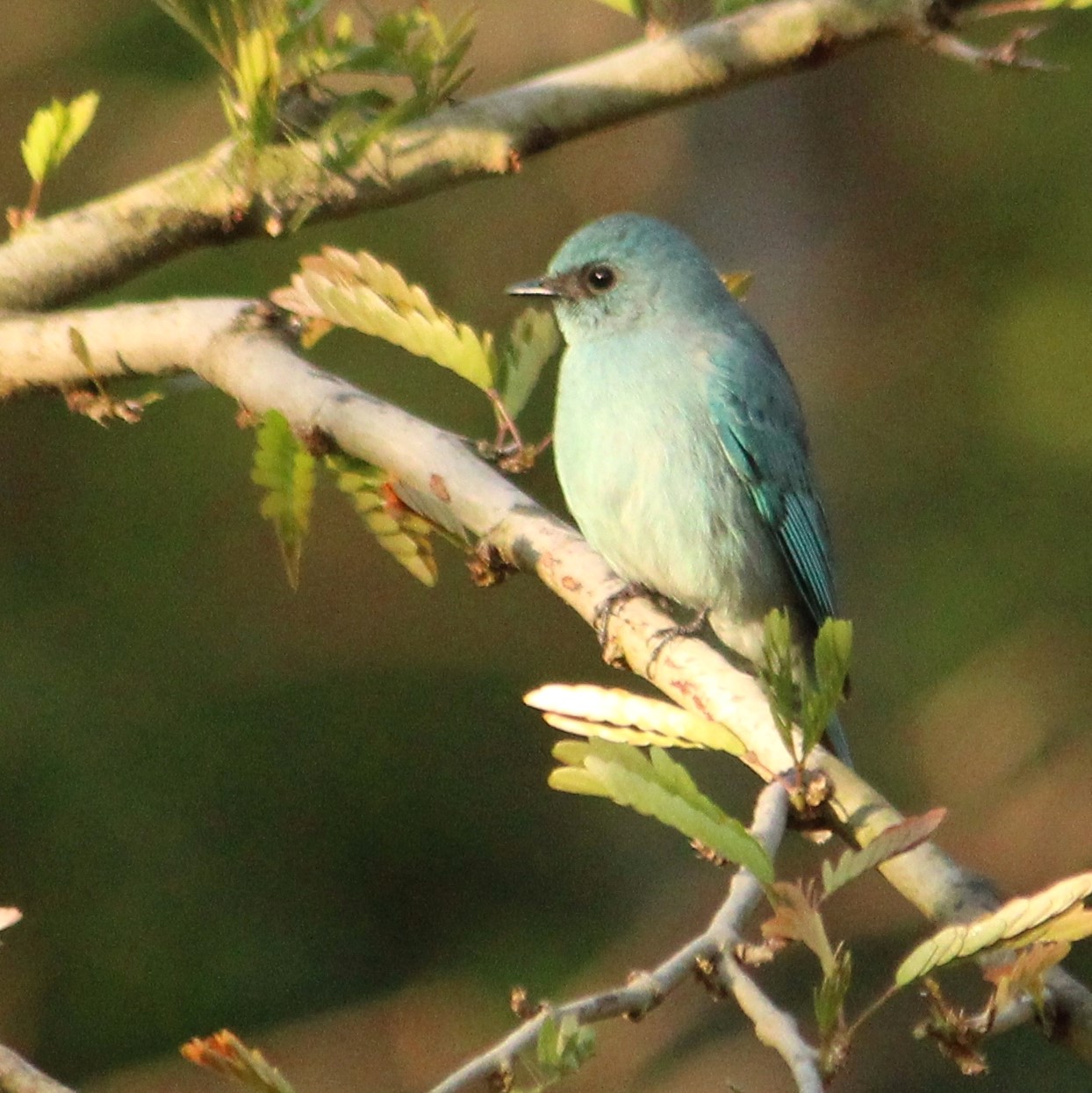
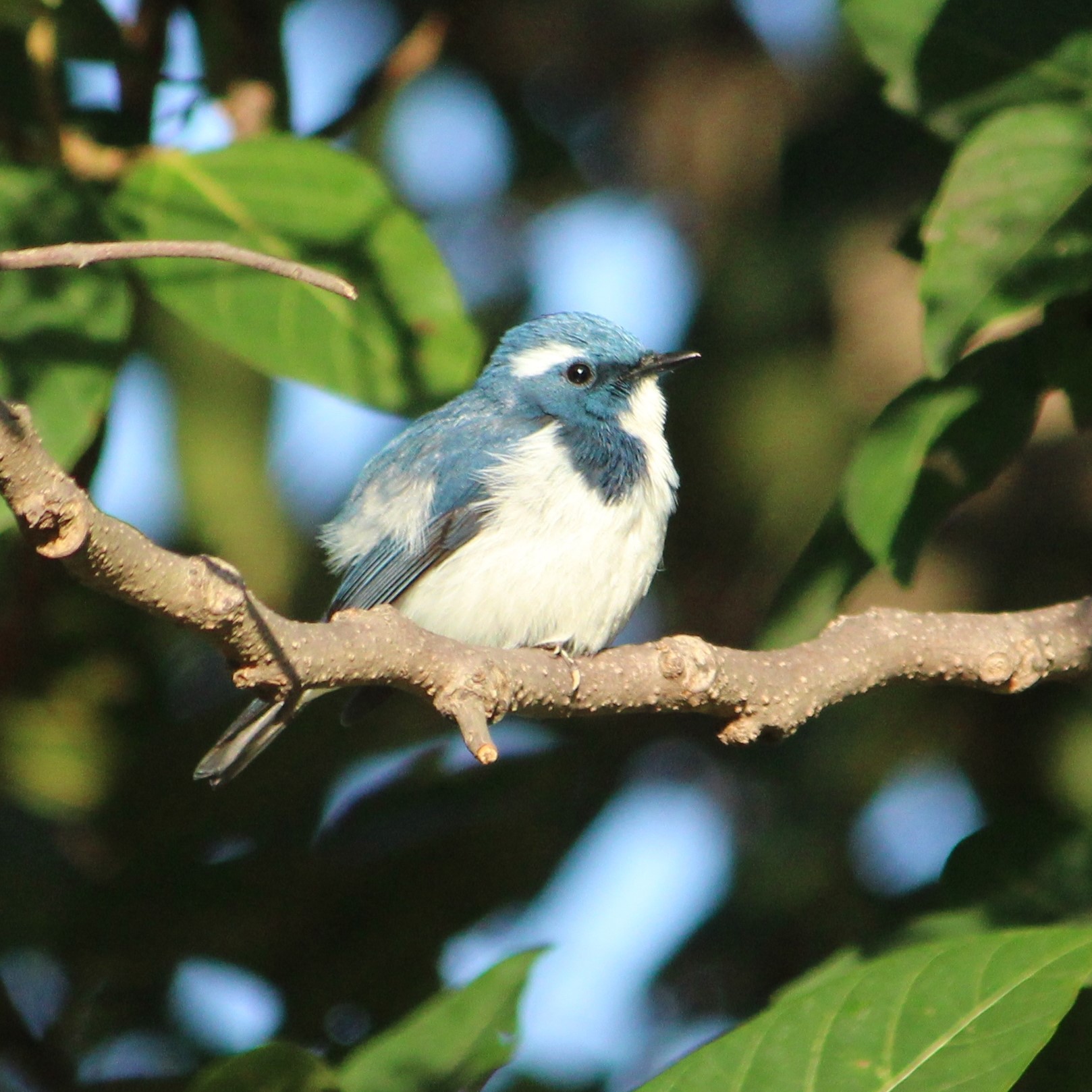
In the forest area along the trail, we can see Ultramarine Flycatcher, Verditer flycatcher, Gray-headed Canary Flycatcher, and other species.
SUMMER VISITORS
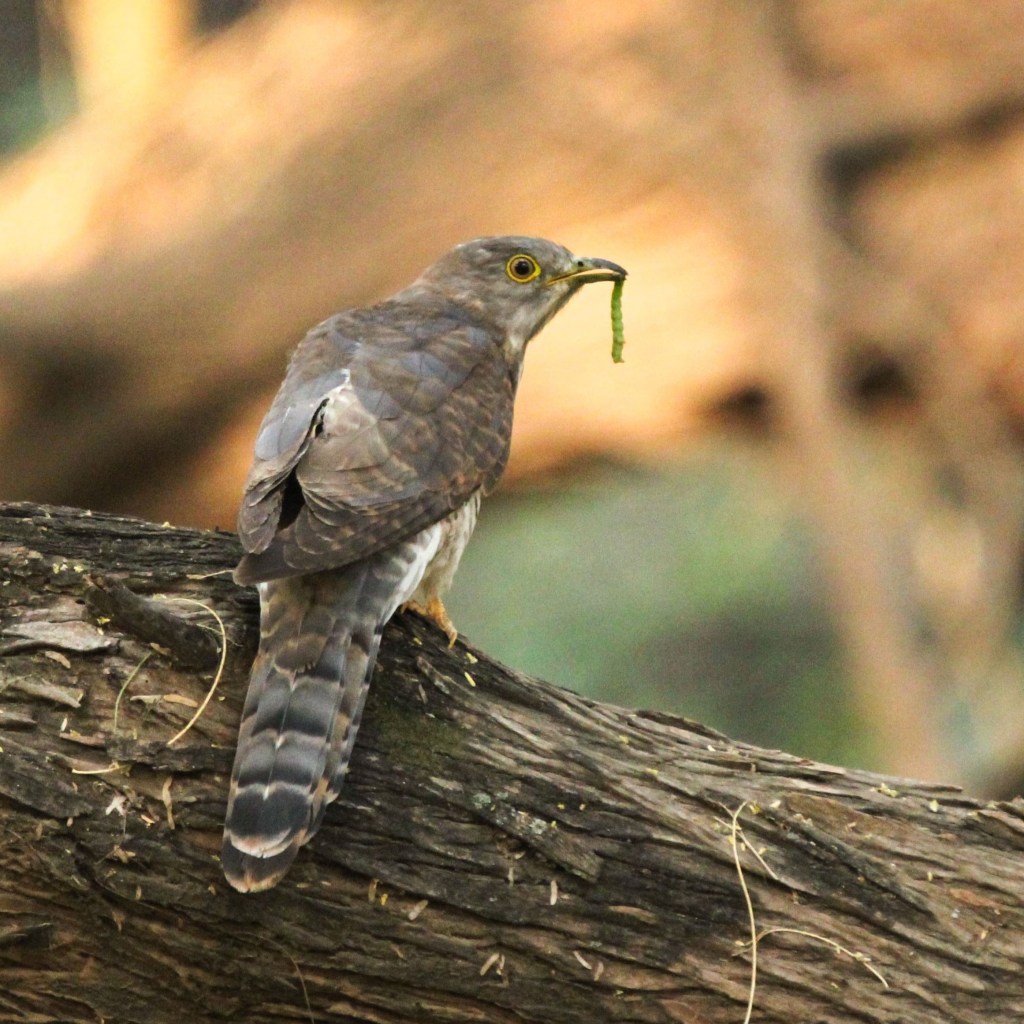
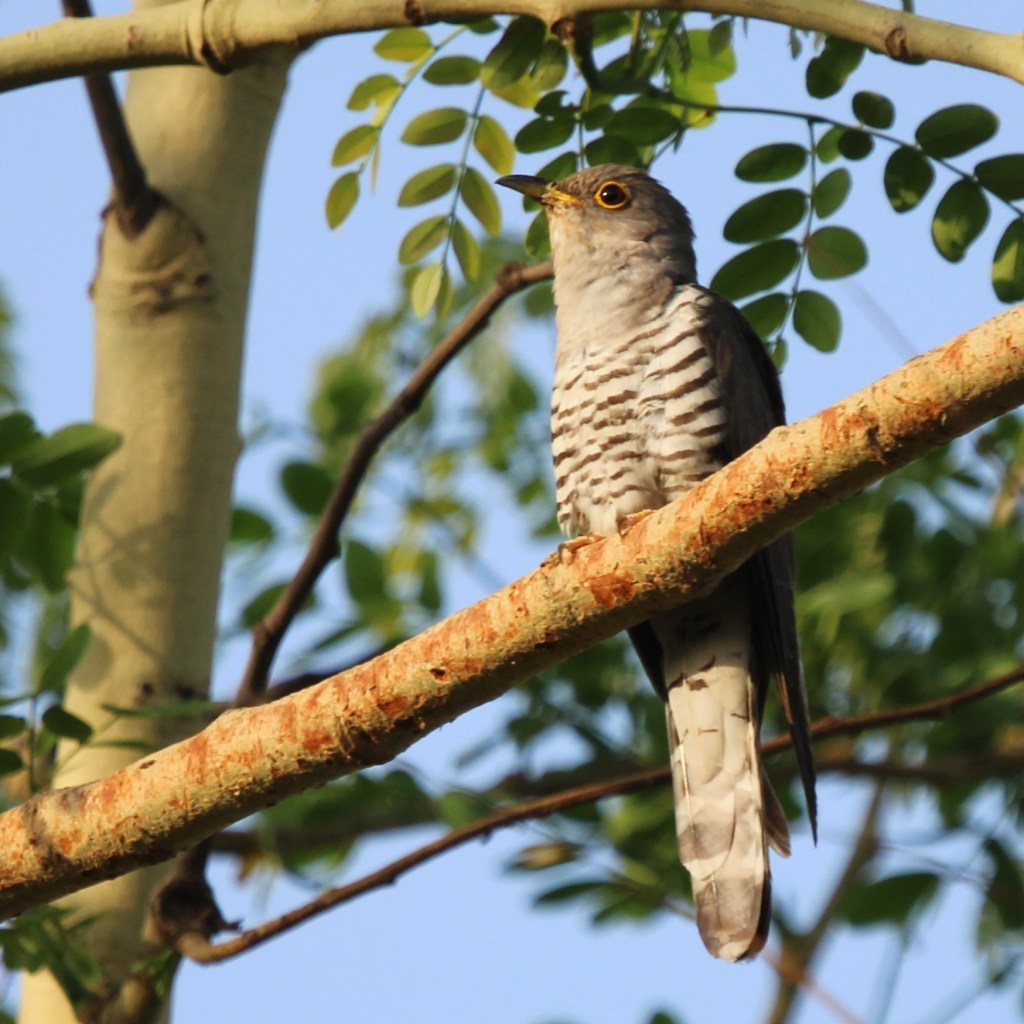
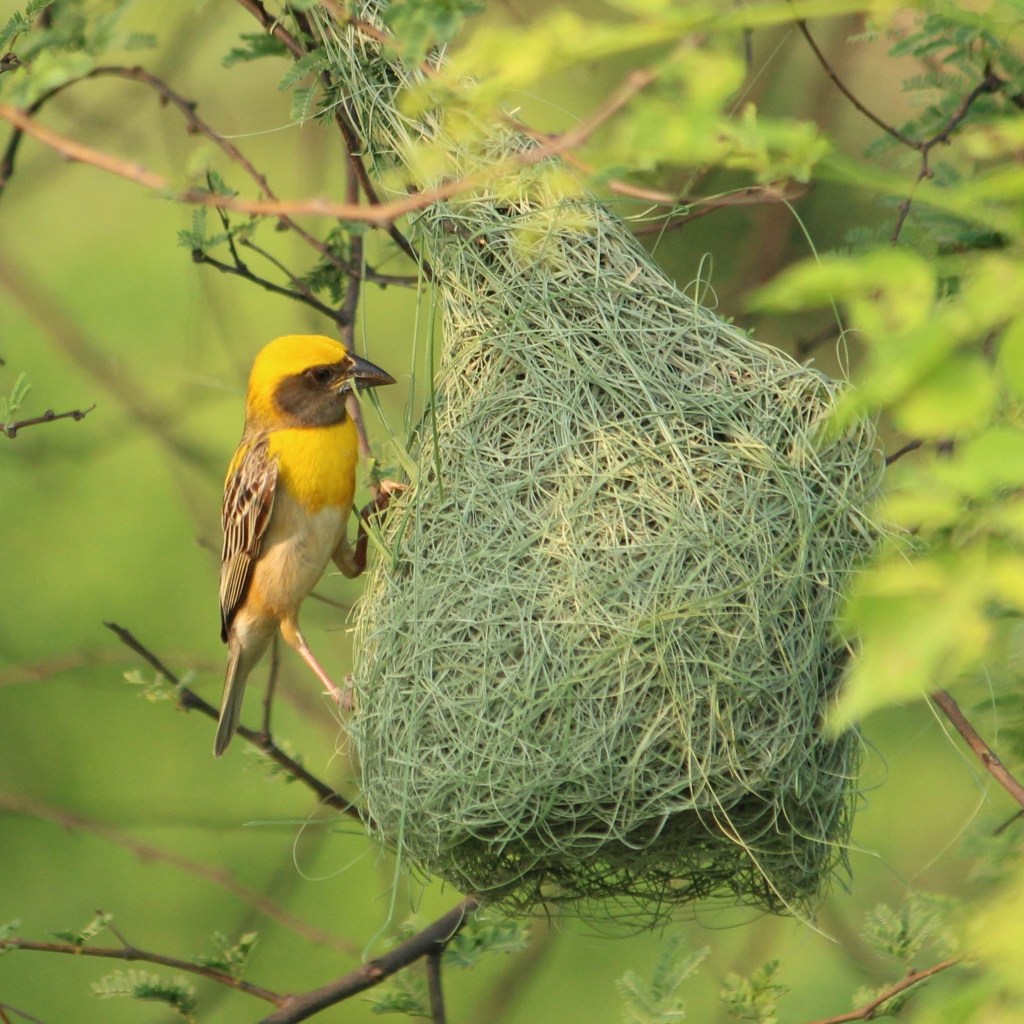
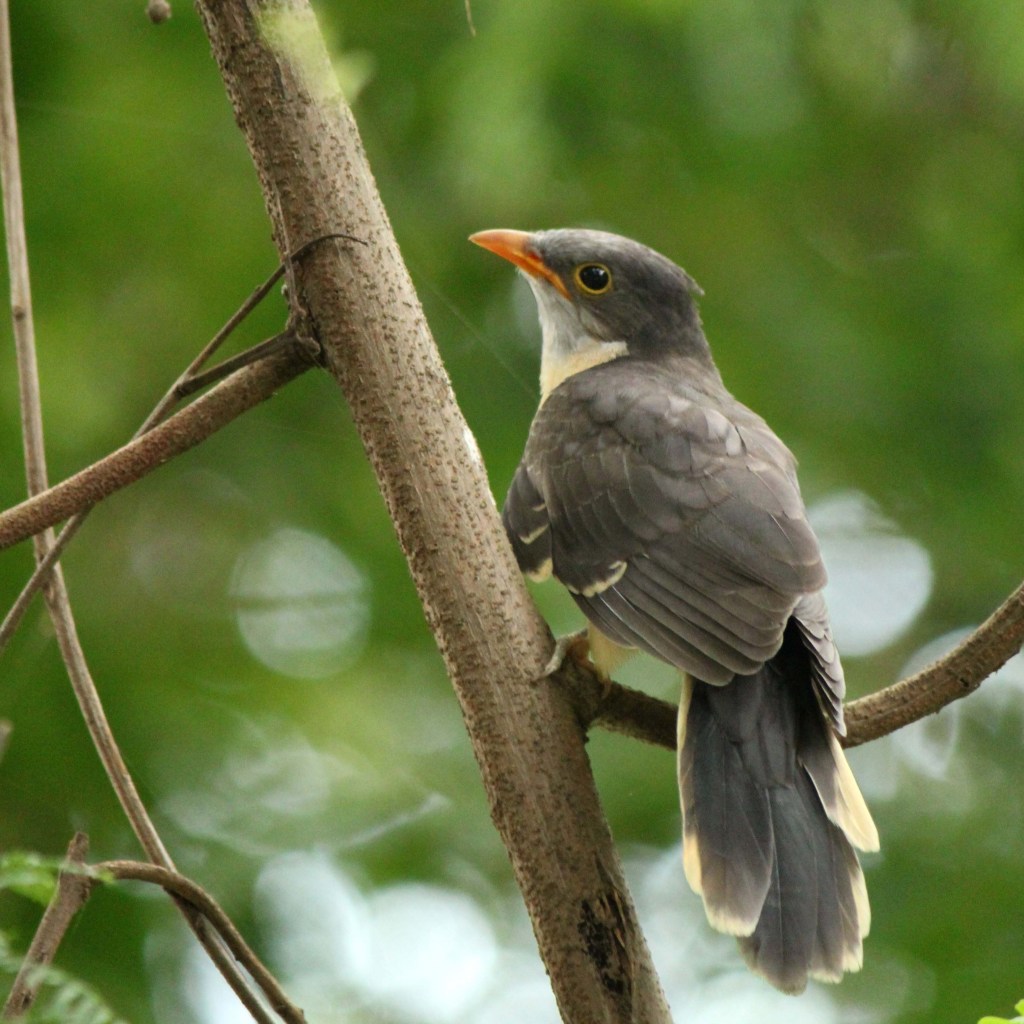
Summer visitors include Common Hawk-Cuckoo, Indian Cuckoo, Pied Cuckoo, Green Bee-eater, Indian Golden Oriole, Indian Paradise-Flycatcher and many other species.
WILDLIFE
The forest also offers plenty of opportunities for wildlife photography, as it is also home to a variety of animals, the major being the Sambar deer, Blue Bull, Wild Boar, and Mongoose. The park is also renowned for the large herds of Sambar deer that live here. A variety of reptiles, including snakes, also live in the sanctuary. It is known to have the most number of sambar found in a group or cluster than anywhere else in the country. is home to a wondrous collection of flora and fauna alike, and is a haven for a variety of mammals, birds, reptiles, and insects.
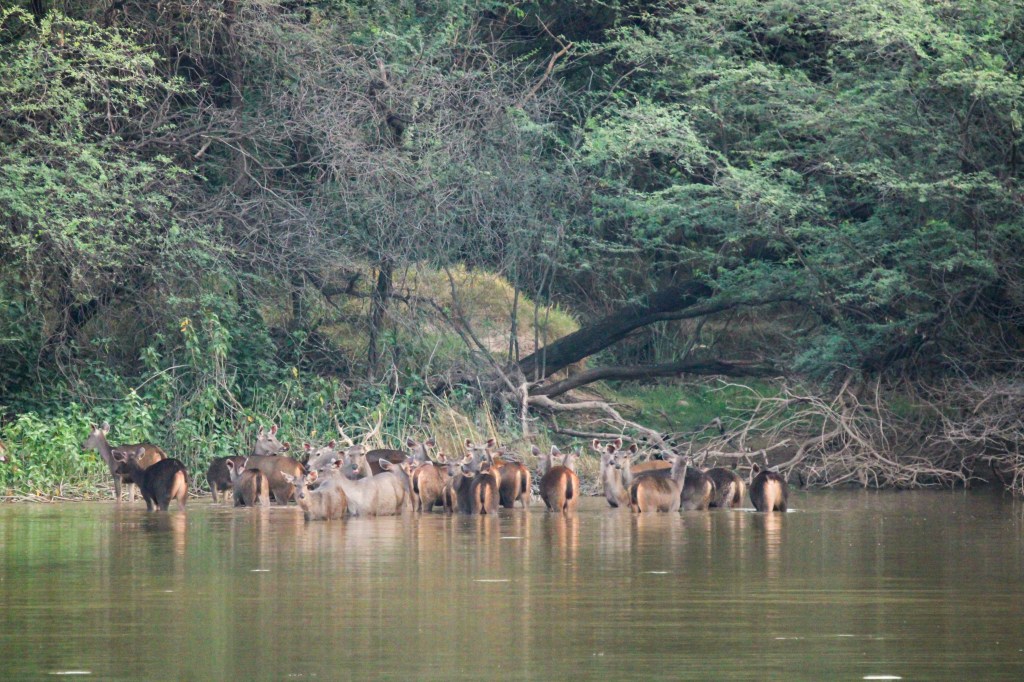
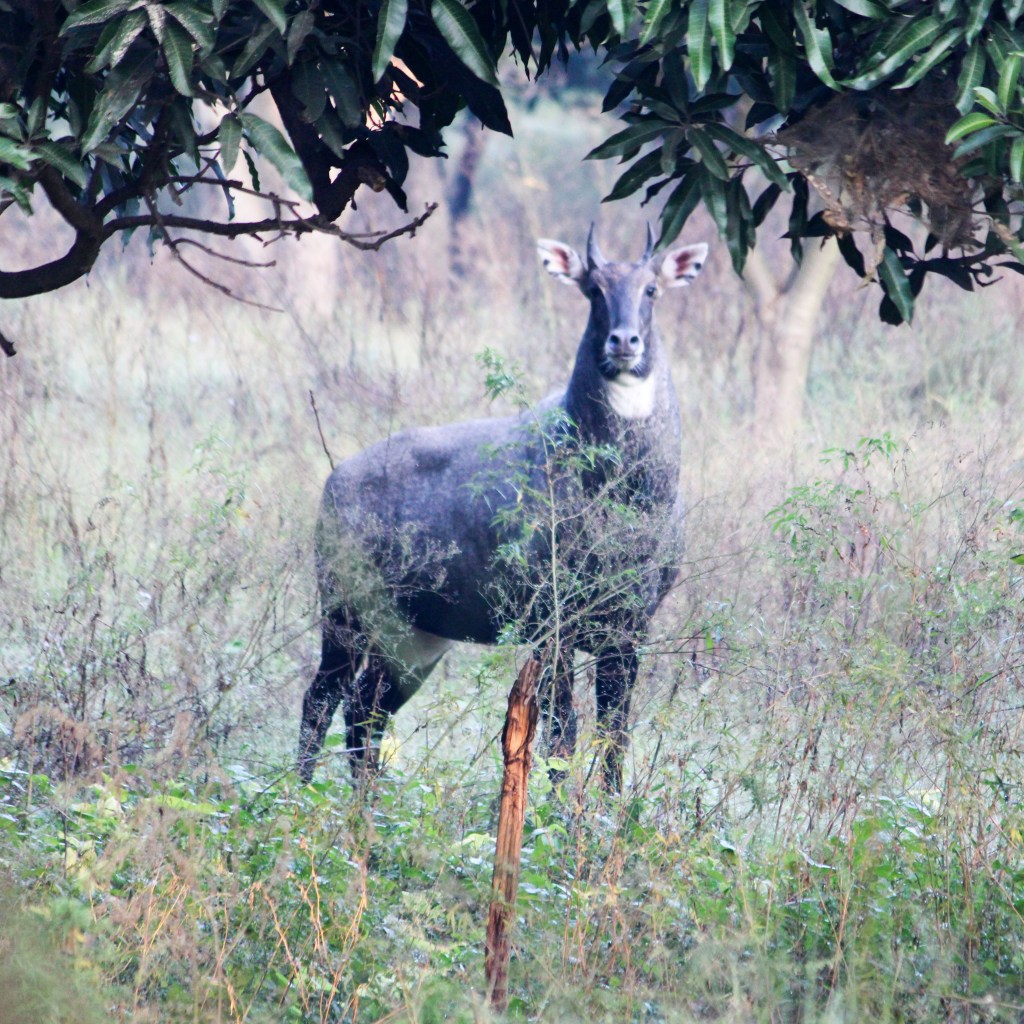
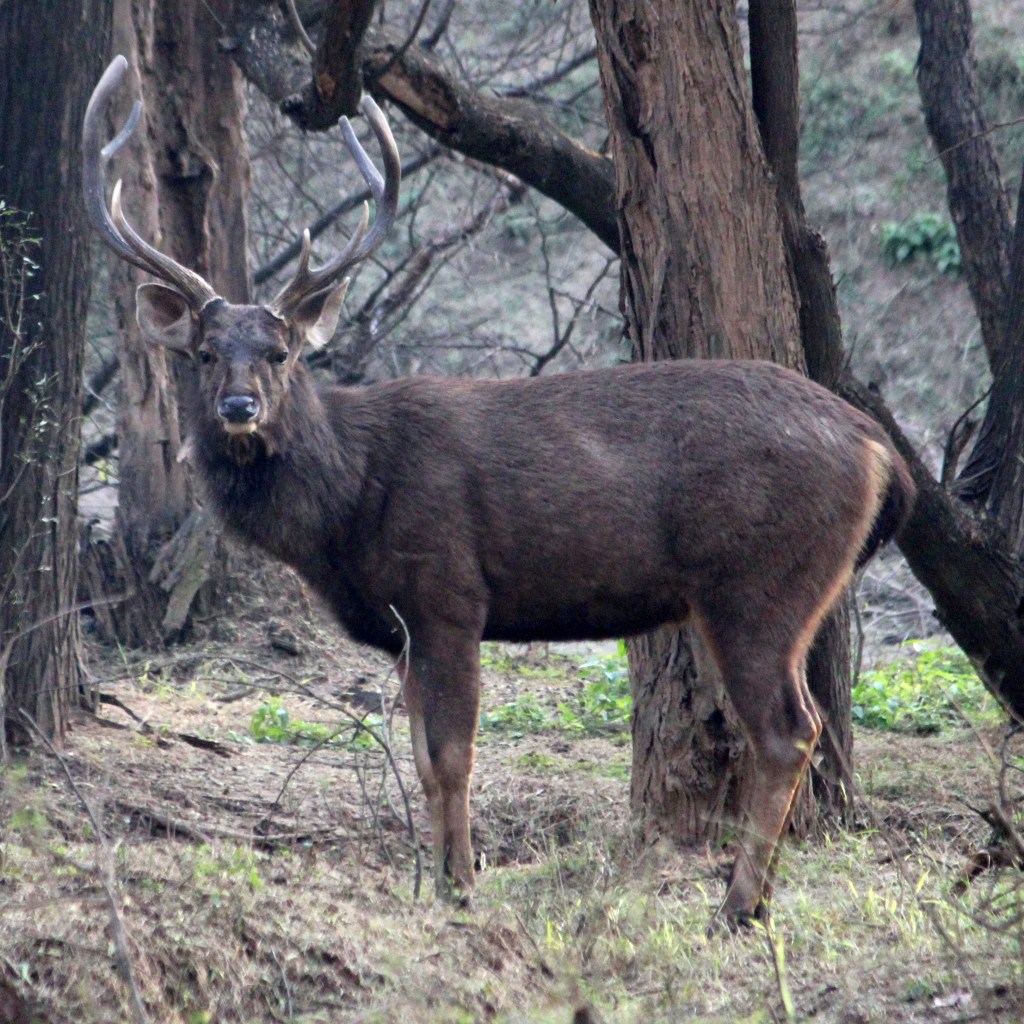
While walking through the Nature Trail, you can watch these animals in the original habitat in the forest area or sometimes near the migratory bird watching point.
PLANTS AND TREES
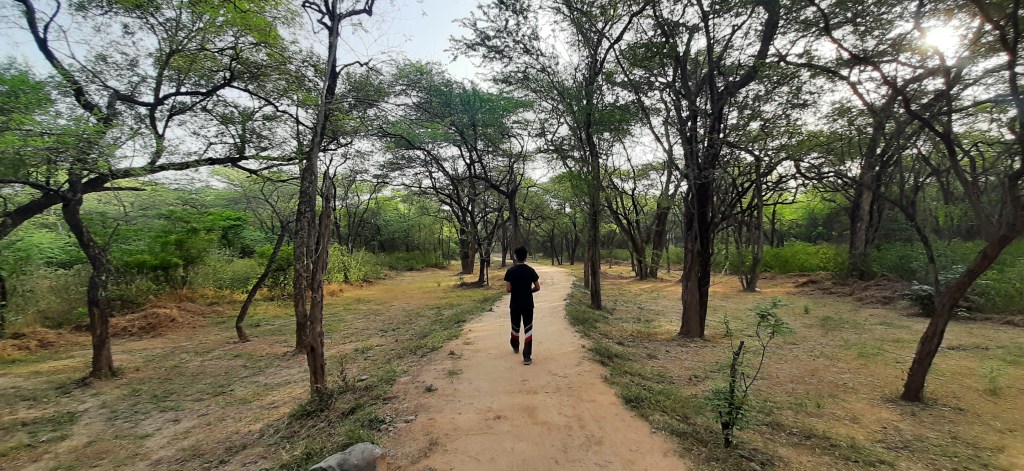
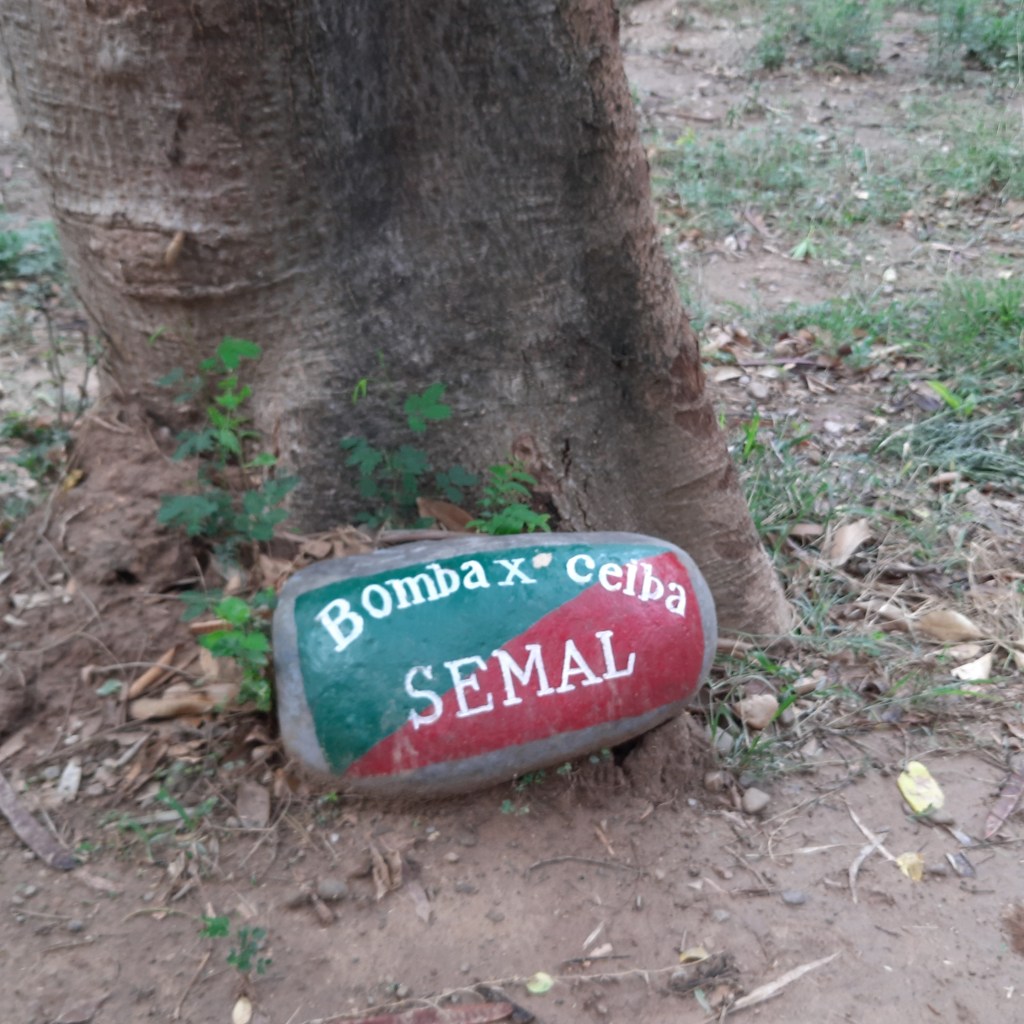
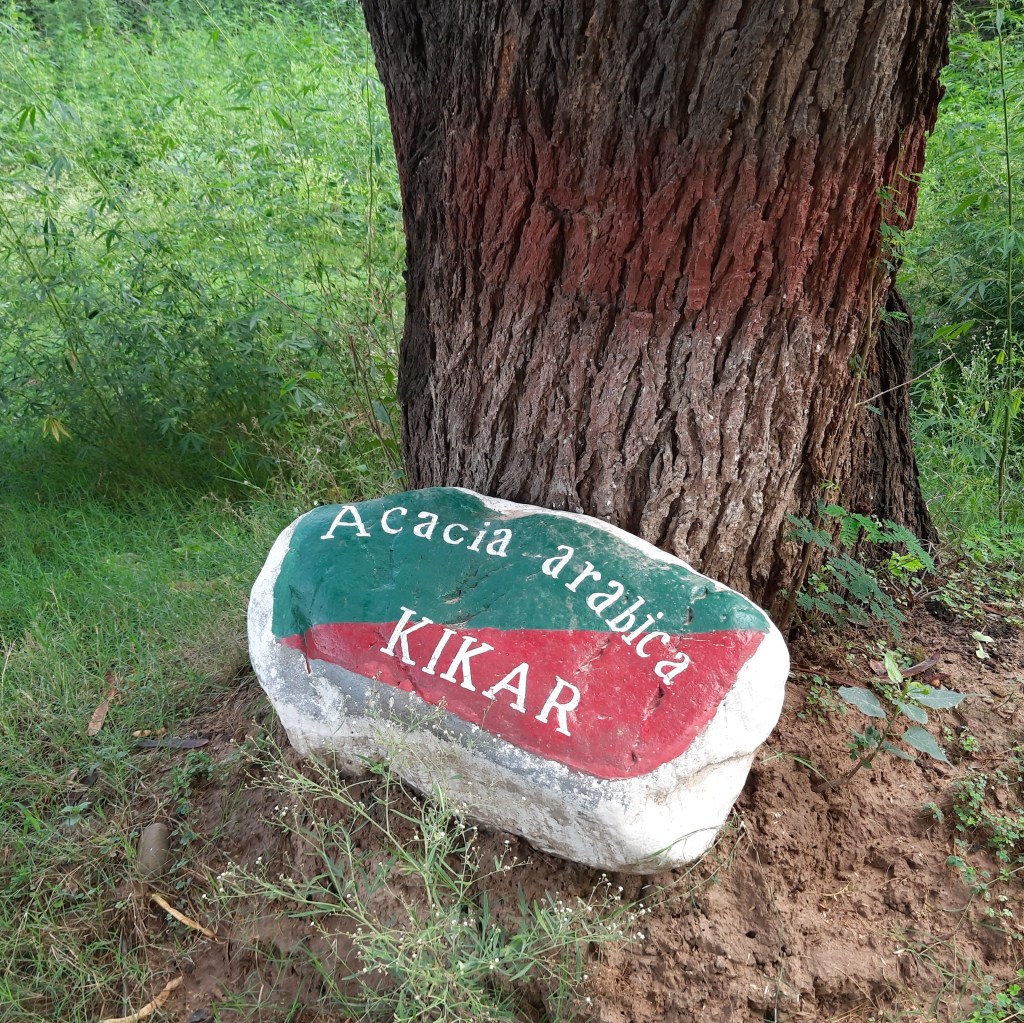
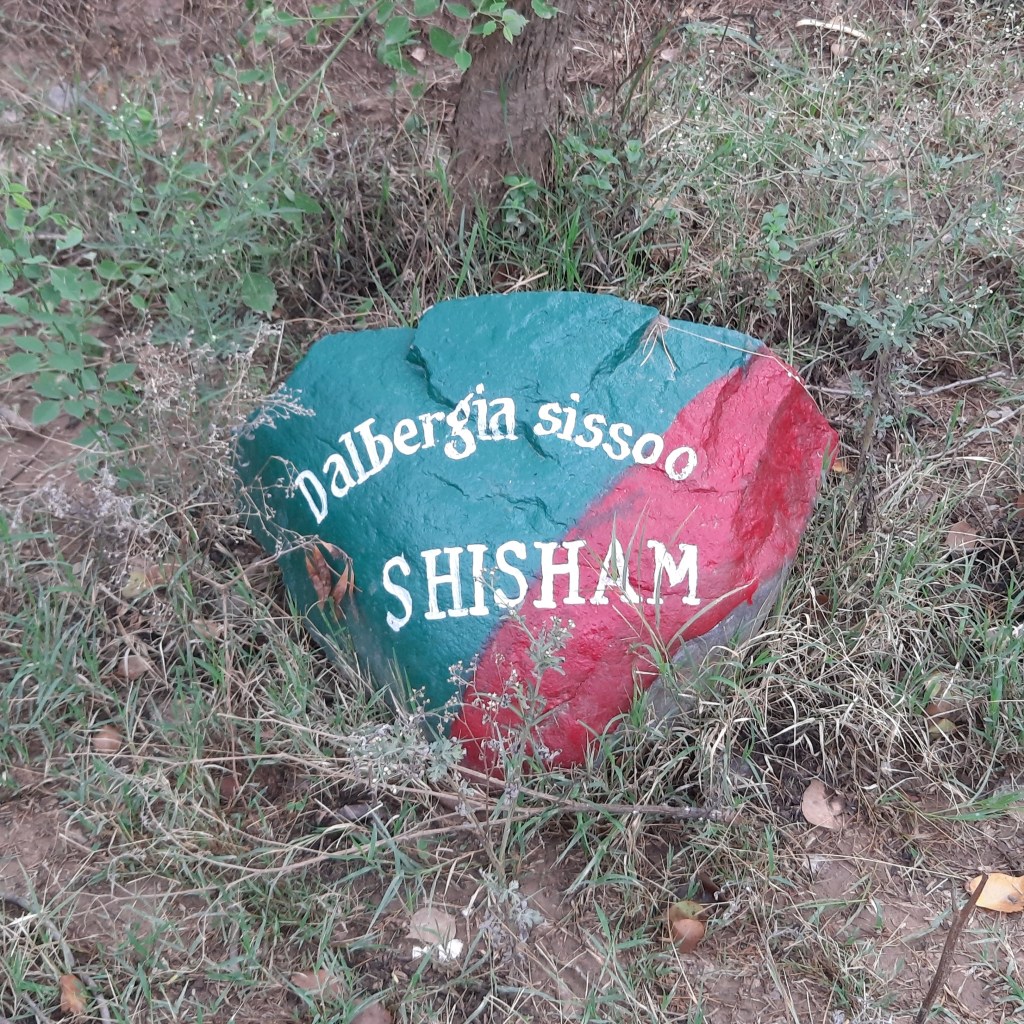
There is a wide variety of trees, shrubs, herbs, grasses and climbers. The prominent among them are Acacia catechu (Khair), Acacia Arabica (Kikar), Dalbergia sisoo (Shisham), Anogeissus latifolia (Chhal), Azadirachta indica (Neem), Butea frondosa (Dhakk). The forest department has put up beautifully colored stones under the trees to help the visitors in identifying the tree. The Forest department has also planted local fruit tree species in forest areas to attract animals and birds. Now natural food material is abundant inside the forest for wildlife.
I guess many of us might not be aware of the state tree of Chandigarh. The state tree of Chandigarh is “Mangifera Indica”. You must be curious to know what exactly is “Mangifera Indica” and why has it been given the title of Chandigarh’s “State Tree”. You might have heard the name of the Mangifera Indica tree for the first time but trust me you all have got a lot of scolding from your mum or garden keepers for stealing it, eating it, and getting all messy and sticky while eating it in your childhood. It is a tree that has its own unique story weaved into the childhood memories of each one of us. Our very own and unique “Aam Ka Pedh“, the Mango Tree.
If you’re looking for a beautiful and peaceful oasis to escape the hustle and bustle of city life, Lake Reserve Forest is the perfect place for you. A visit to Sukhna Lake Reserve Forest is a must-do activity for anyone visiting Chandigarh!
 naturetrail
Well written as always. Keep it up. Subhash Sapru
LikeLike