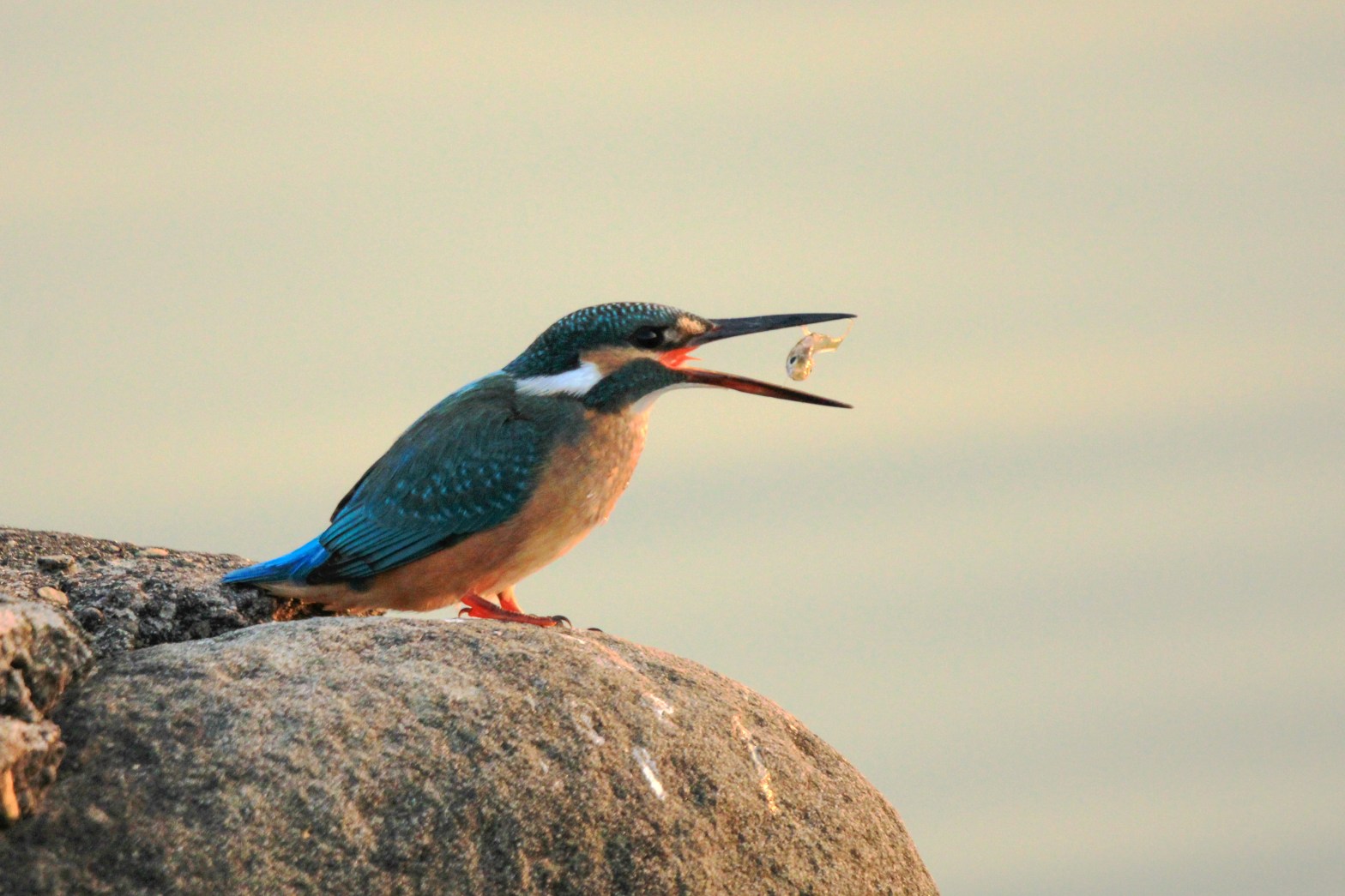
Kingfishers are generally brightly colored beautiful birds and one of the most fascinating subjects of wildlife photography. Taking inspiration from the kingfisher, which dives nose first into water to catch fish and barely makes a splash, Japanese engineers redesigned the high-speed train and gave the train a 50-foot steel ‘beak’ which solved the noise-pollution problem, but also unexpectedly made the train between 10–15 percent more efficient.
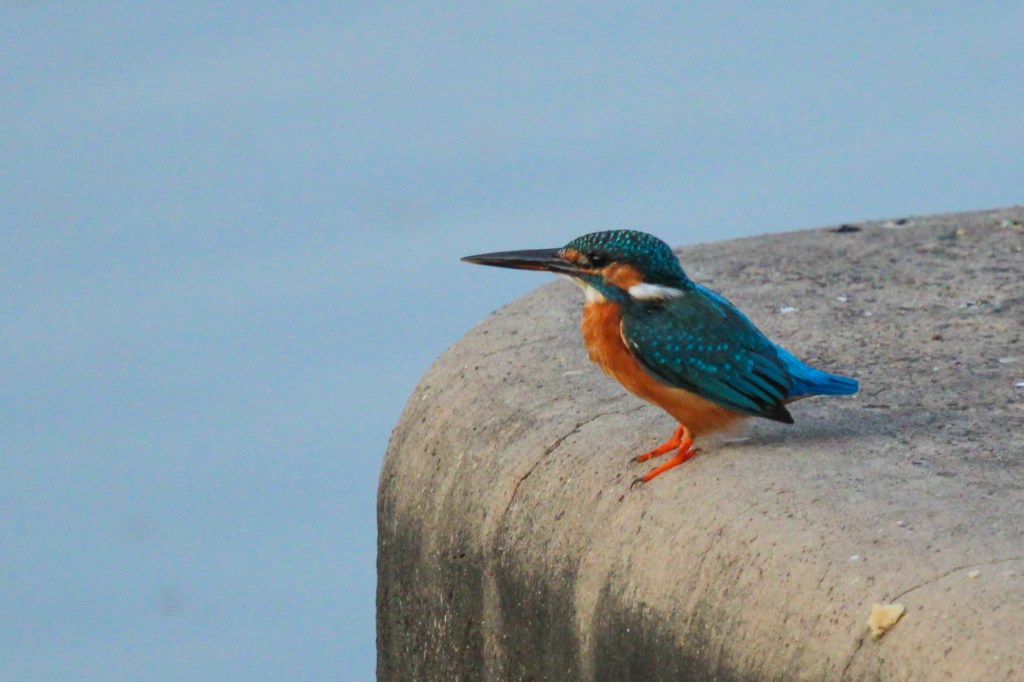
Kingfishers have plump bodies that are about 4 to 18 inches, a large head, a long and massive bill, and a compact body. Their feet are small, and, with a few exceptions, the tail is short or medium length. Most species have vivid plumage in bold patterns, and many are crested. A kingfisher’s short tail allows the bird to turn easily when it is underwater. The dagger-like bill is useful for spearing fish, insects, and other food.
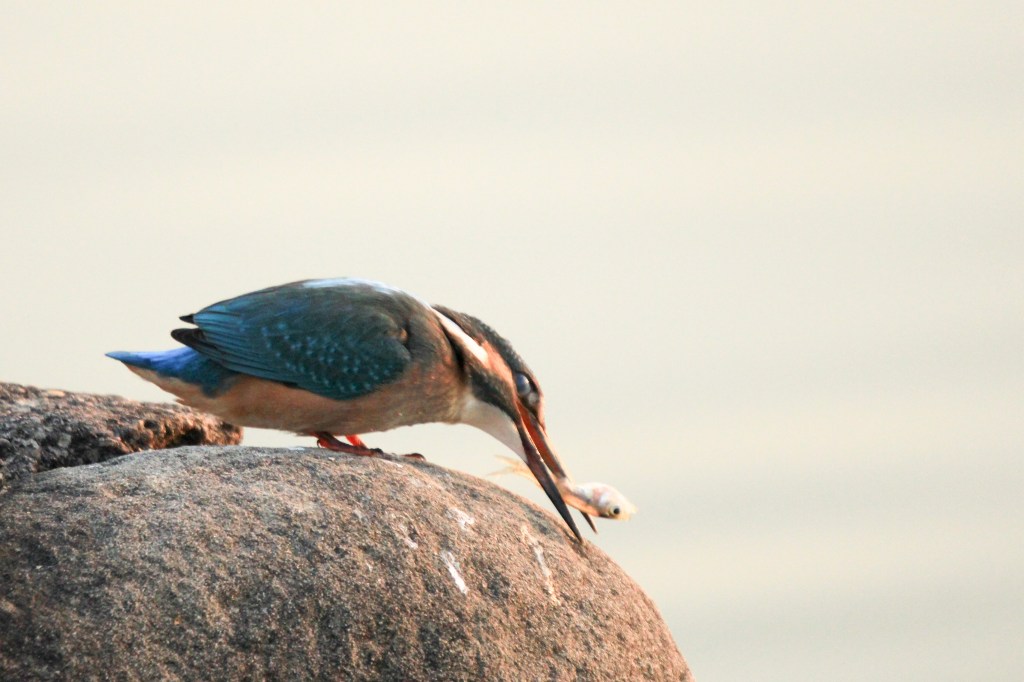
These vocal, colorful birds are renowned for their dramatic hunting techniques. Typically, the bird sits still, watching for movement from a favorite perch. Having sighted its quarry, it plunges into the water and catches the fish usually no deeper than 25 cm (10 inches) below the surface in its dagger-shaped bill. With a swift downstroke of the wings, it bobs to the surface. It then takes the prey back to the perch and stuns the fish by beating it against the perch before swallowing it.
There are about 90 kinds of kingfisher throughout the world with 12 species found in the Indian Subcontinent. In Chandigarh region, 5 species of Kingfisher are found, and I have so far clicked four of them.
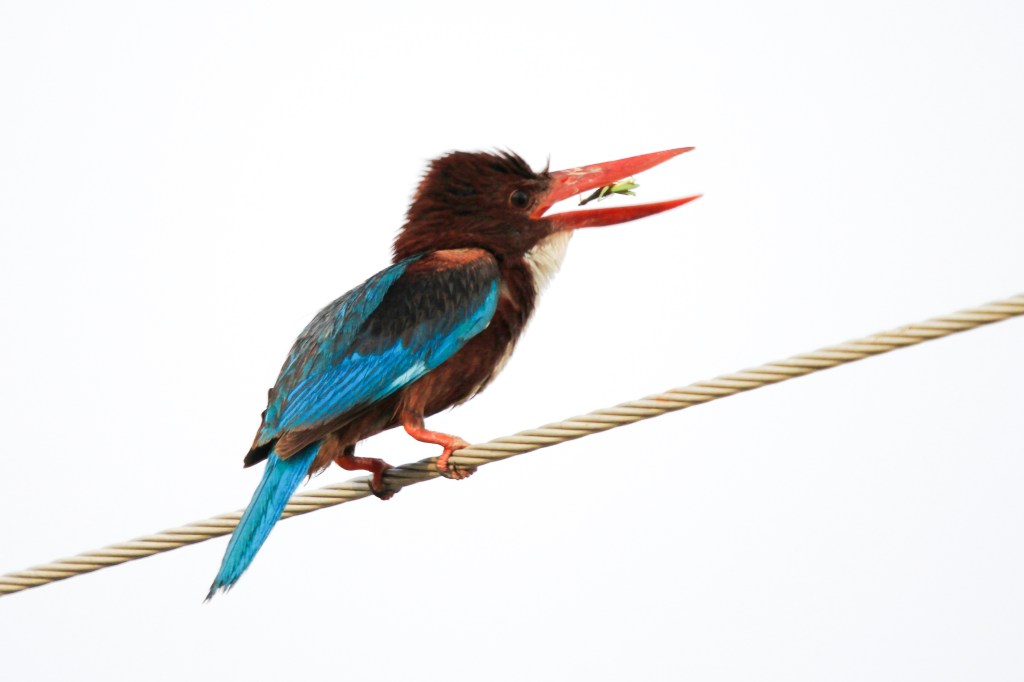
White-throated Kingfisher – also known as Tree kingfisher is the most commonly seen species of Kingfisher found in the Indian Subcontinent. Tree kingfisher is a resident of urban areas always found sitting on wires or tree and known for loudly calls. You can easily see the White Throated Kingfisher at the Lake Regulator End.
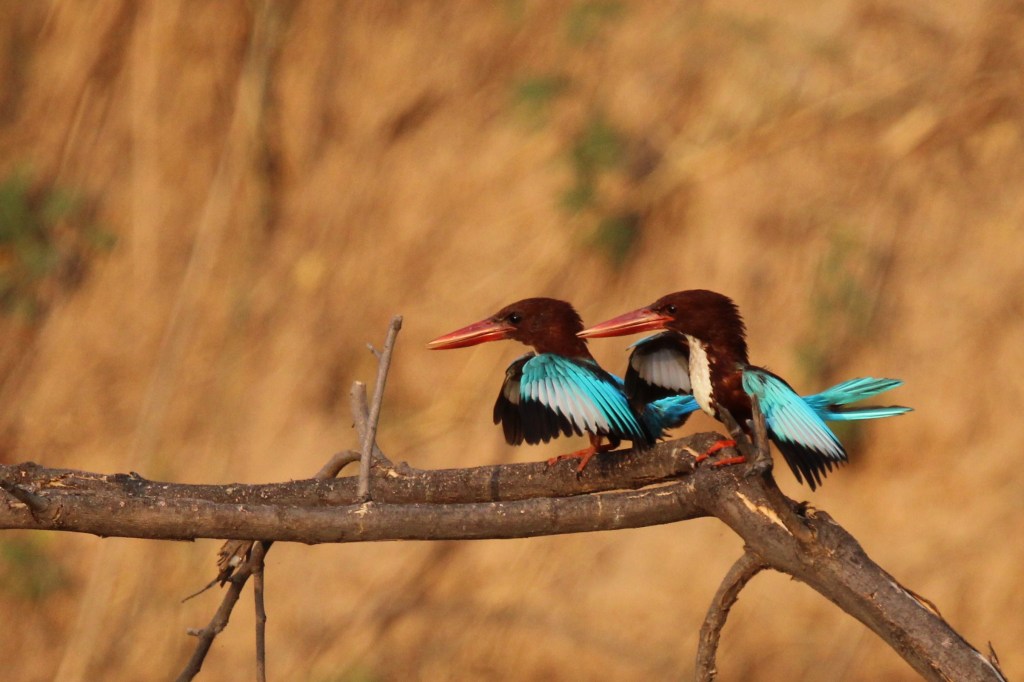
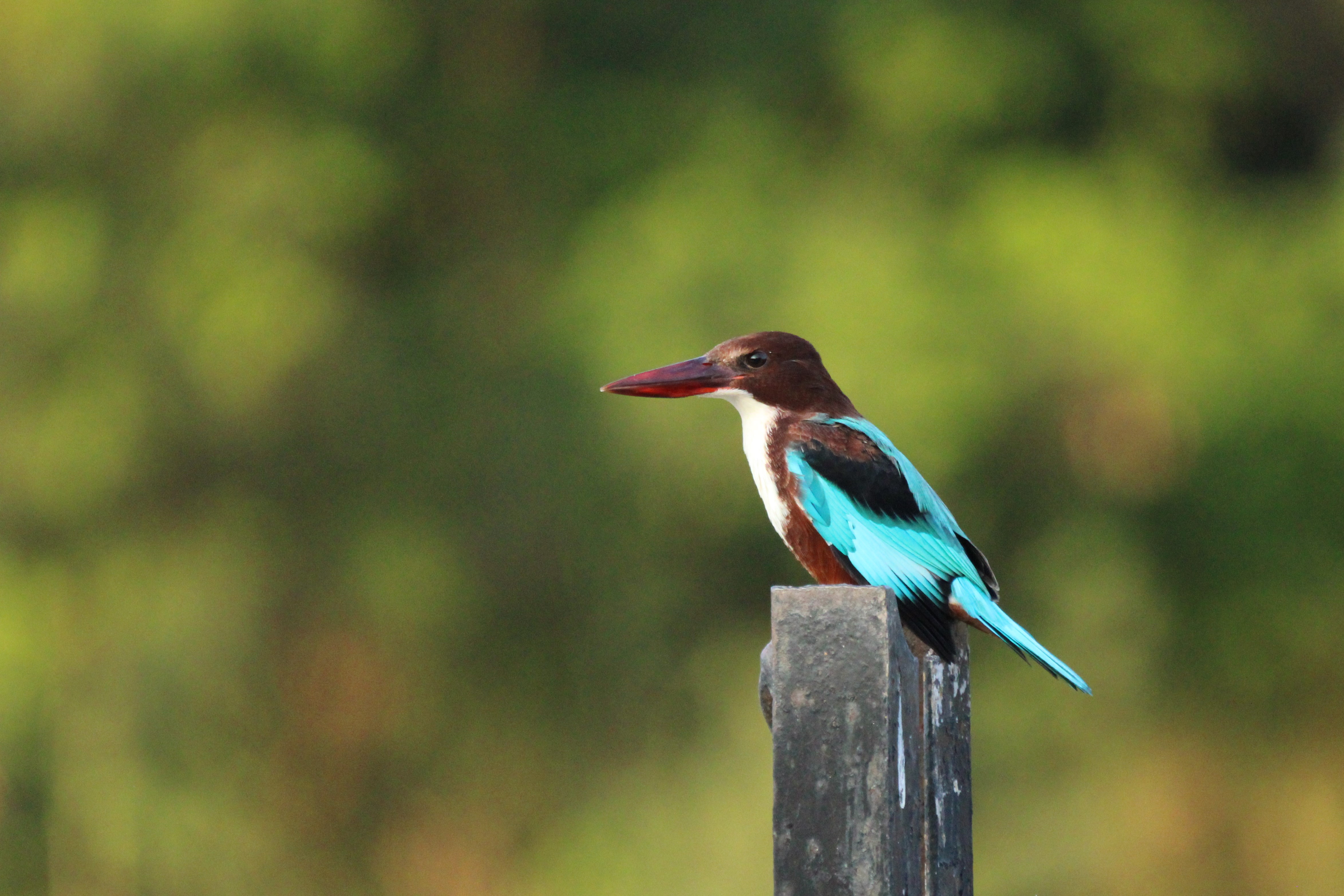
Common kingfisher – a relatively small kingfisher, also known as River Kingfisher, is though not so common. This kingfisher can also be seen at the Lake Regulator End.

Pied Kingfisher – Pied kingfisher or water kingfisher is a black and white species, best known for habit of hovering over clear lakes and rivers before diving for fish. This Kingfisher is rarely seen at the Lake.
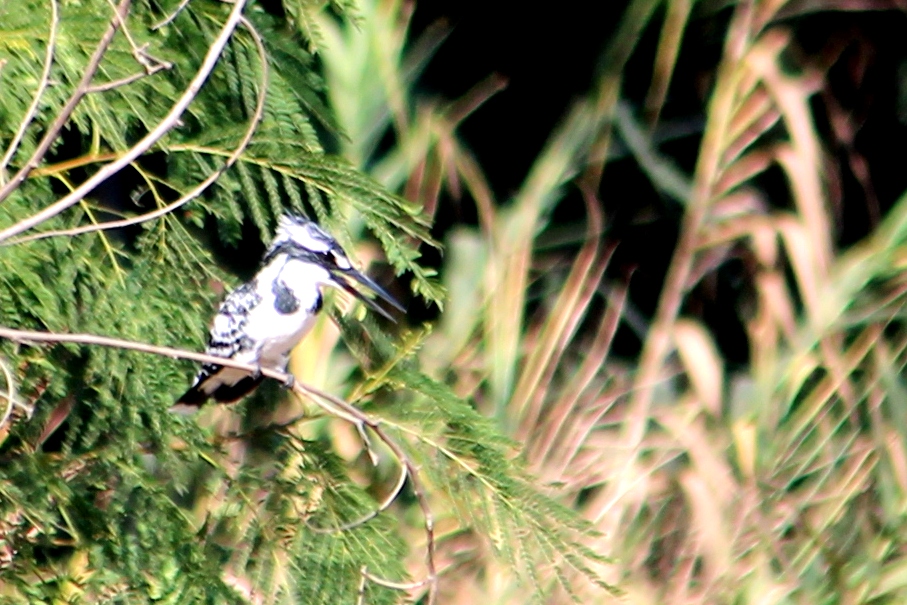
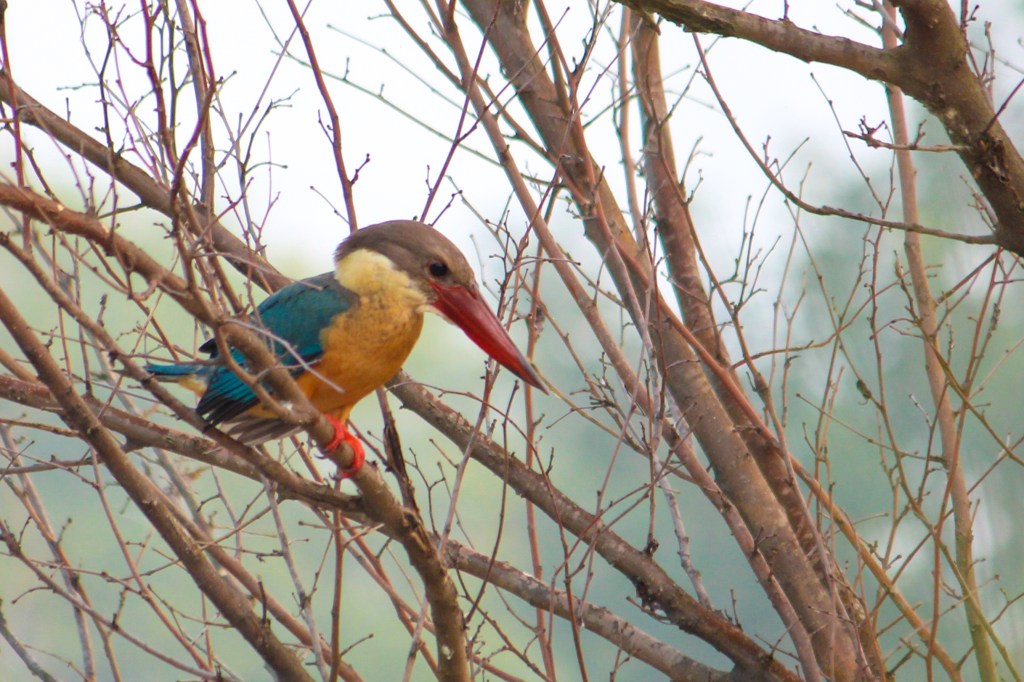
Stork-billed kingfisher – another large species of tree kingfisher, that lives in a variety of habitats like near water, coastal area and around the rivers.
 naturetrail
Well done
LikeLike