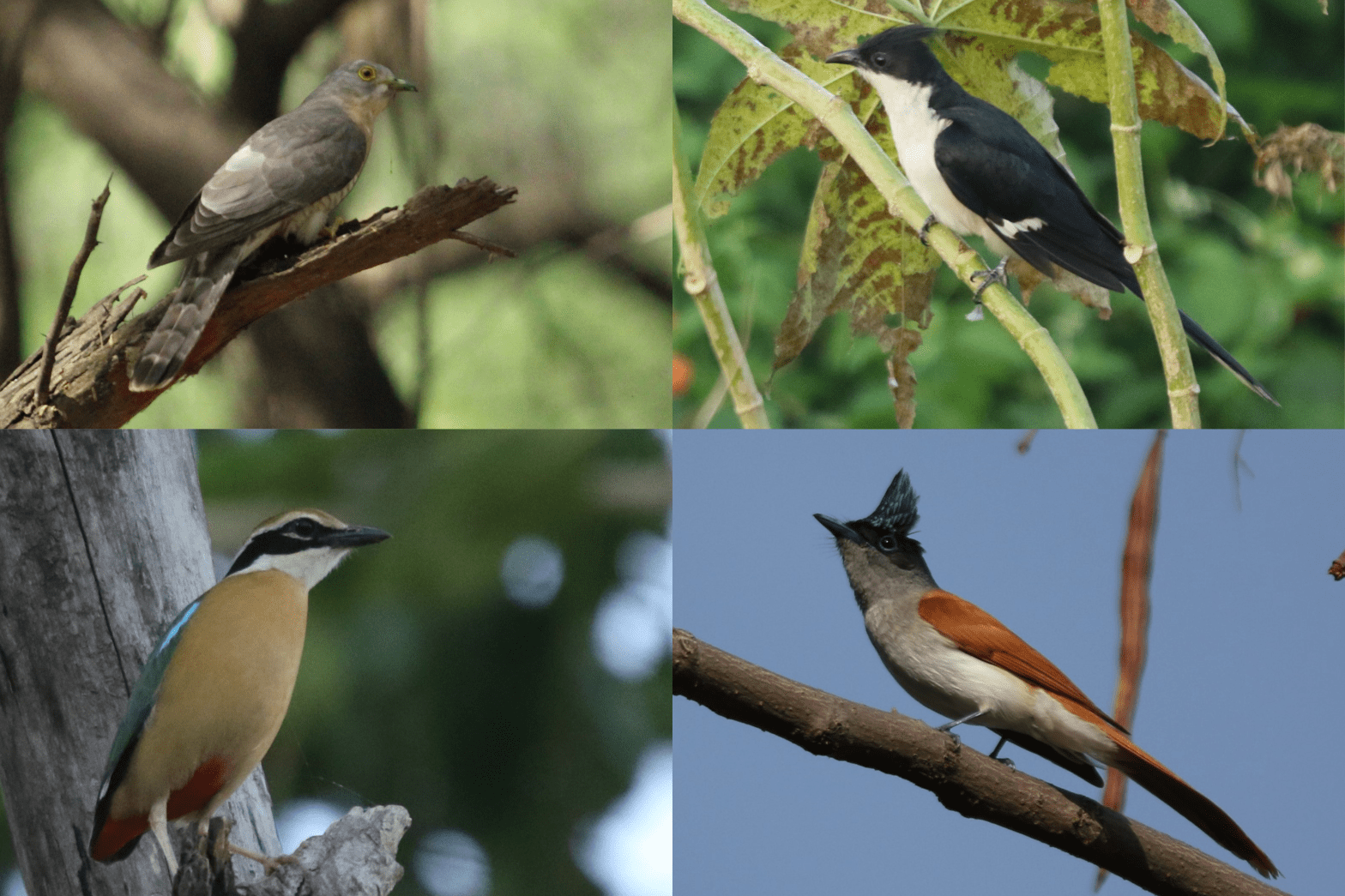
With the month of September coming to end, we are migrating from Summer Season to Winter Season. Let’s have a quick recap of the Summer Migrants who visited the Inter-State Chandigarh Region during this summer. About 29 bird species migrate to this region in the summer season. But not all of them are sighted. I am sharing 12 of these migrants which I have seen and clicked this summer season. But each bird has something unique which makes us proud of having seen them. You might have seen some of them, but after reading this blog, it is certain, that next time when you see this bird, you would be happier than before.
Indian Pitta
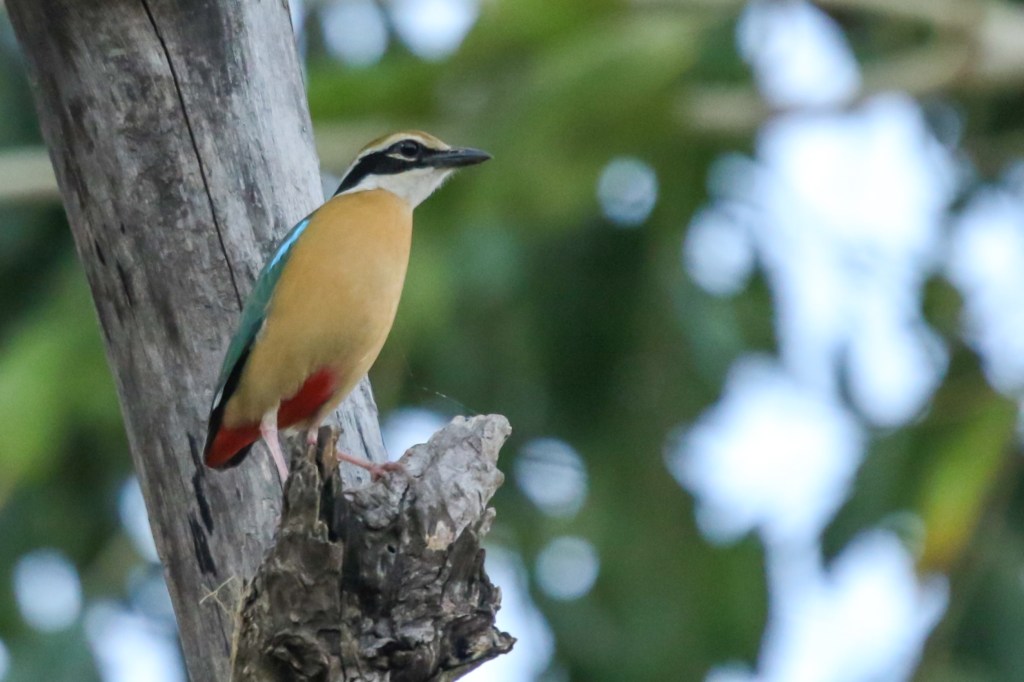
The first one and my favorite is the Indian Pitta. Due to its nine vivid colors, the bird is also called Navrang. A glimpse at the Indian Pitta’s flamboyant plumage might just take your breath away! However, finding this bird might not be as easy as it sounds, since the Pitta is shy by nature and often hides in areas with dense undergrowth.
Jacobian Cuckoo
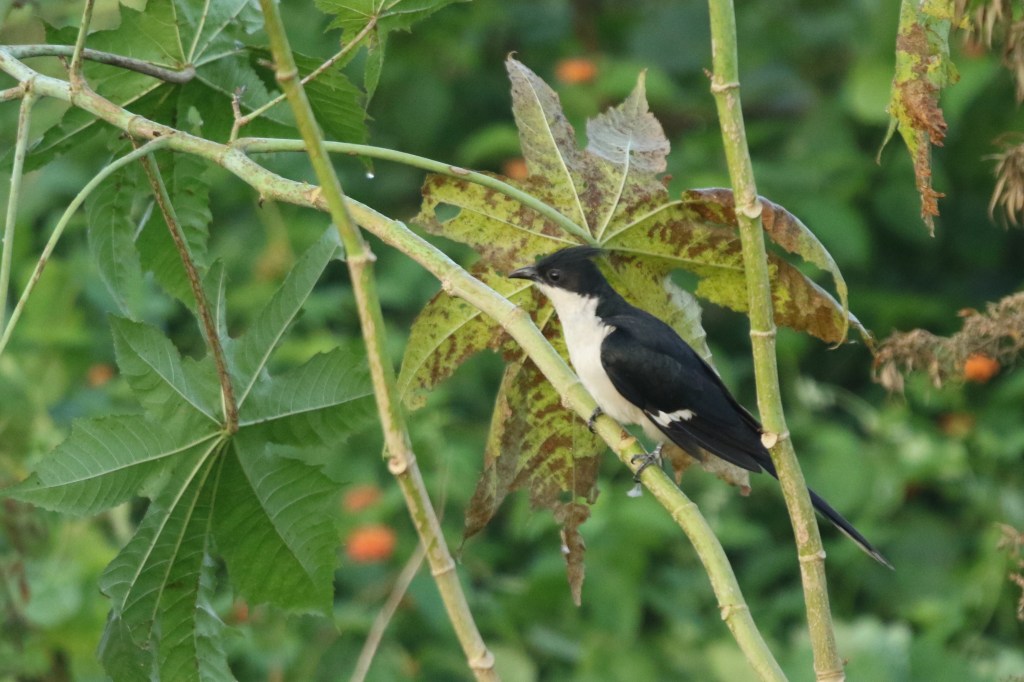
The second one in the list is Jacobian Cuckoo or Pied Cuckoo. A bird with black and white plumage (pied) with a fancy crest on the head, whose arrival is considered lucky. The arrival of this bird has traditionally been seen as pronouncing the onset of the monsoon. In India, Pied Cuckoos migrates from Africa to North India every summer season just before the summer to breed and remains here up to early winter.
Baya Weaver
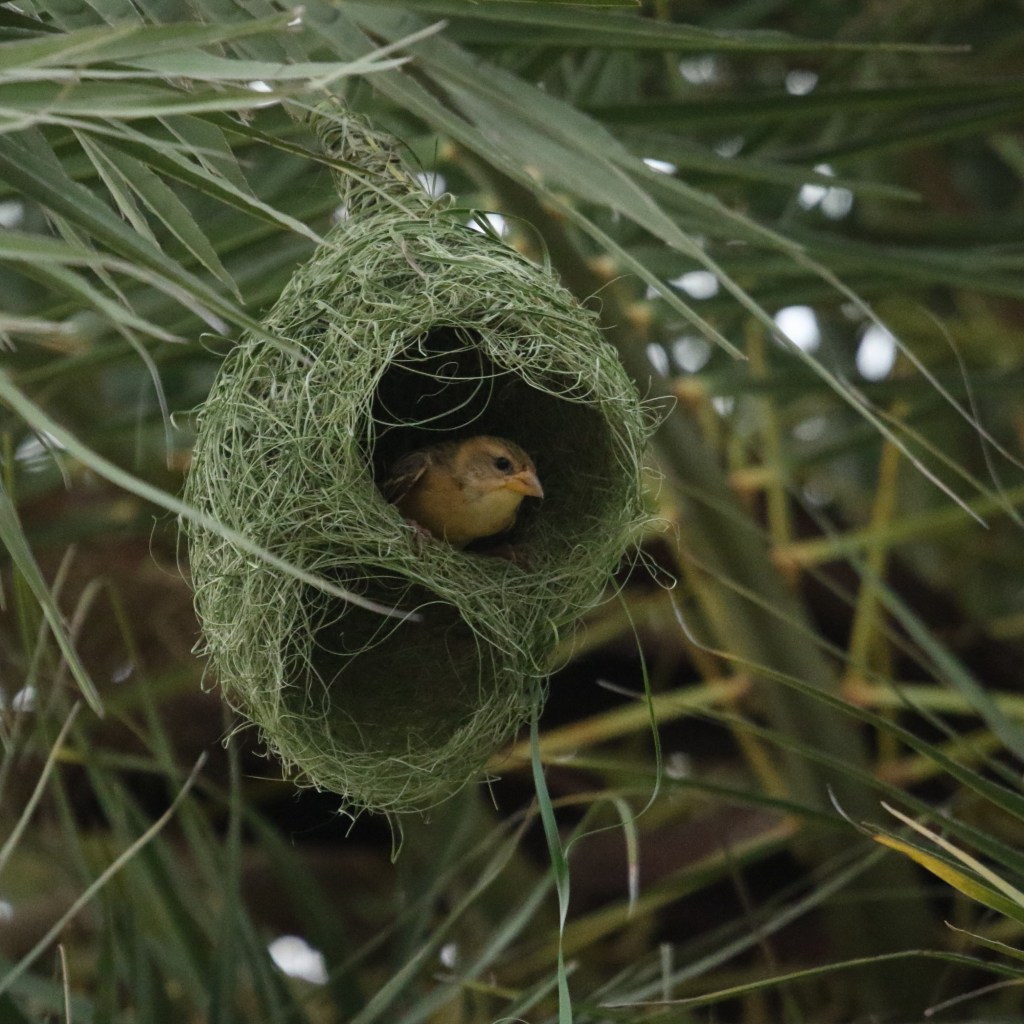
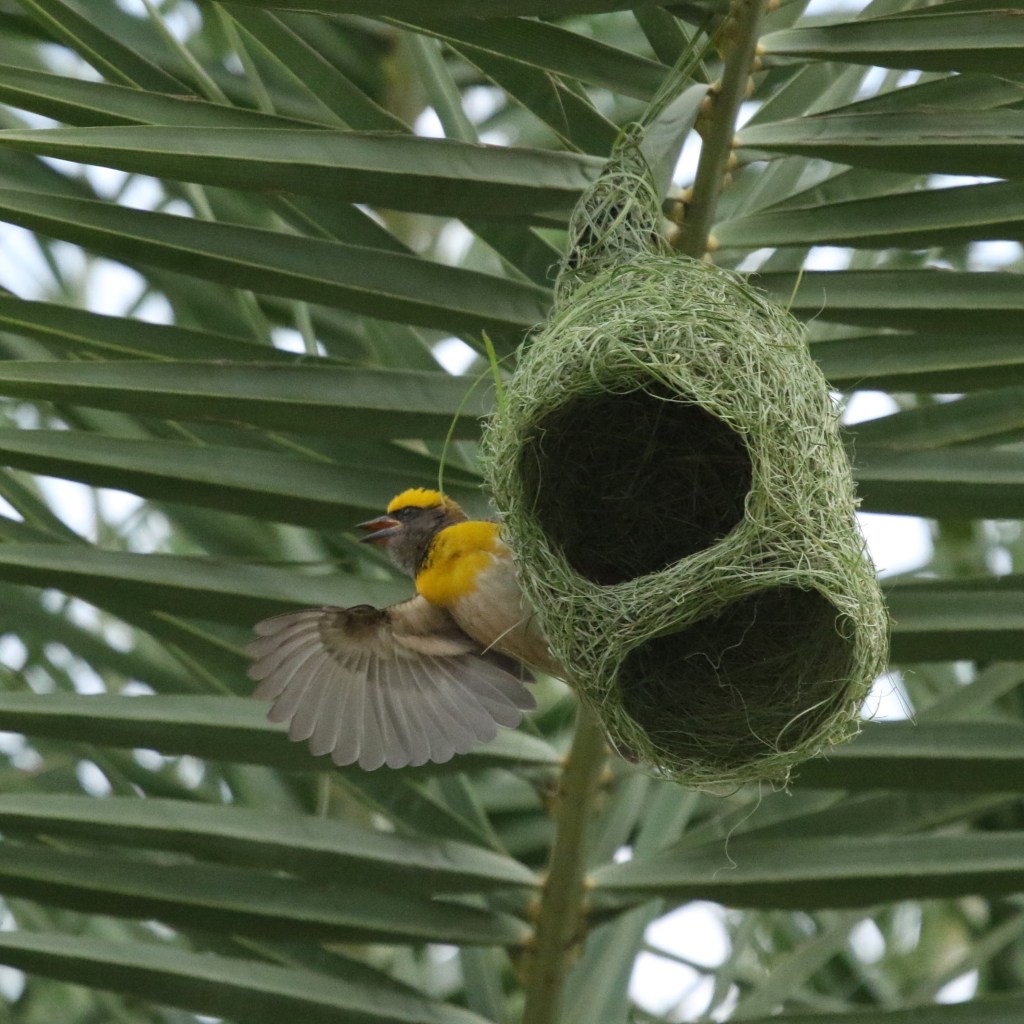
The next one is Baya Weaver also called flying Architect. Baya Weaver is a small sparrow-sized bird known for its amazing nesting skills. With the start of monsoon season, bayas (or the weaver birds) migrates back using their artistic skills in building nests and bringing up families. We can easily notice helmet shaped nests hanging from the Palm Trees, which is one of the favored trees for nest making.
Common Hawk Cuckoo
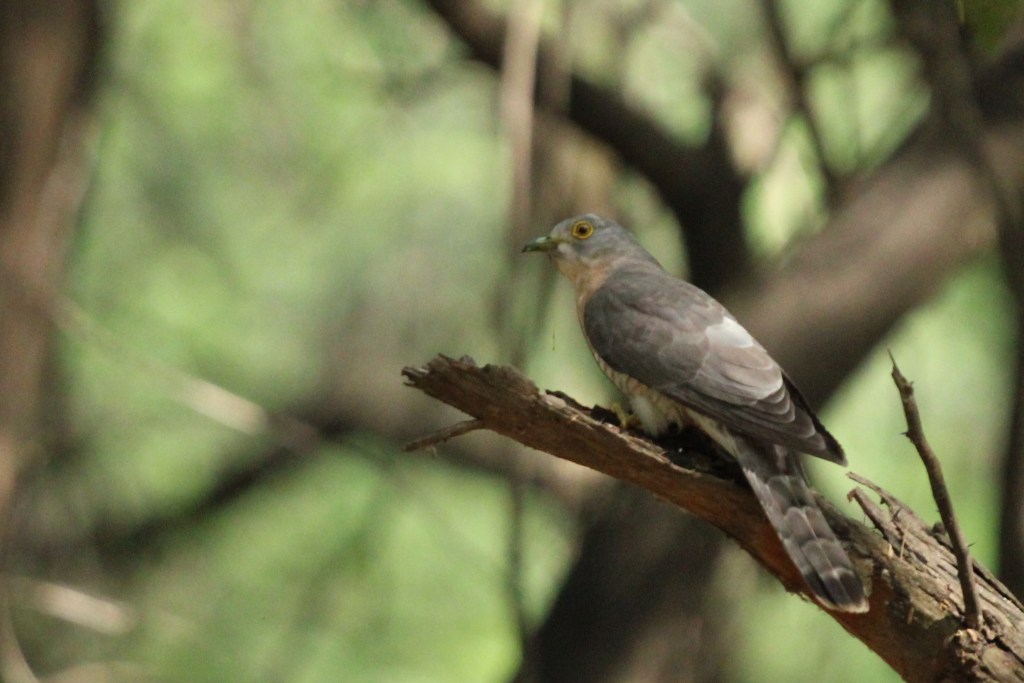
Another Summer Migrant, the Common hawk-cuckoo , popularly known as the brain fever bird, is a medium-sized cuckoo resident in the Indian subcontinent. This brain fever bird is a brood parasite, that is, it lays eggs in the nests of other birds and relies on the hosts to take care of its chicks. Hence, the chicks are taken care of by the foster parents. The common hawk-cuckoo hosts include laughing thrushes and babblers. Babblers are preferred because the breeding time or the breeding season of the two species takes place around the same time. Its breeding season is March to June.
Indian Cuckoo
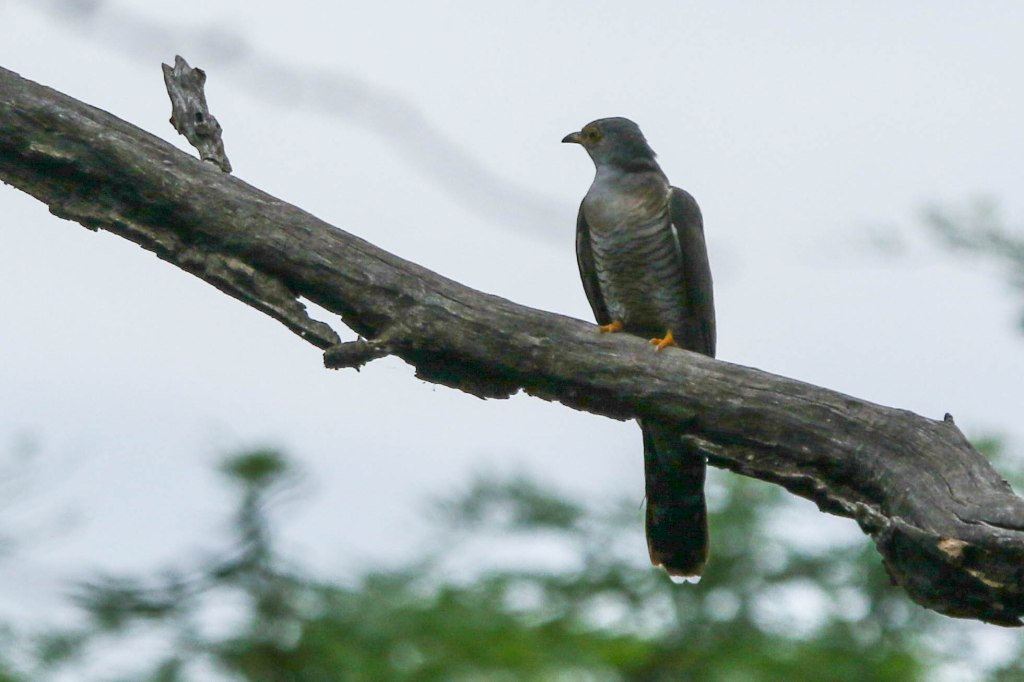
A summer migrant for this region, the Indian Cuckoo is a solitary and shy bird. This medium-sized cuckoo has both sexes alike and is a brood parasite. The call is loud with four notes. In northern India, they can be locally common during the breeding season with densities estimated at a calling bird for every 2 km2 . Indian cuckoo lays its eggs in the nests of a wide range of birds, including magpies, shrikes, and drongos. They feed on hairy caterpillars and other insects but sometimes take fruits.
Chestnut-tailed Starling
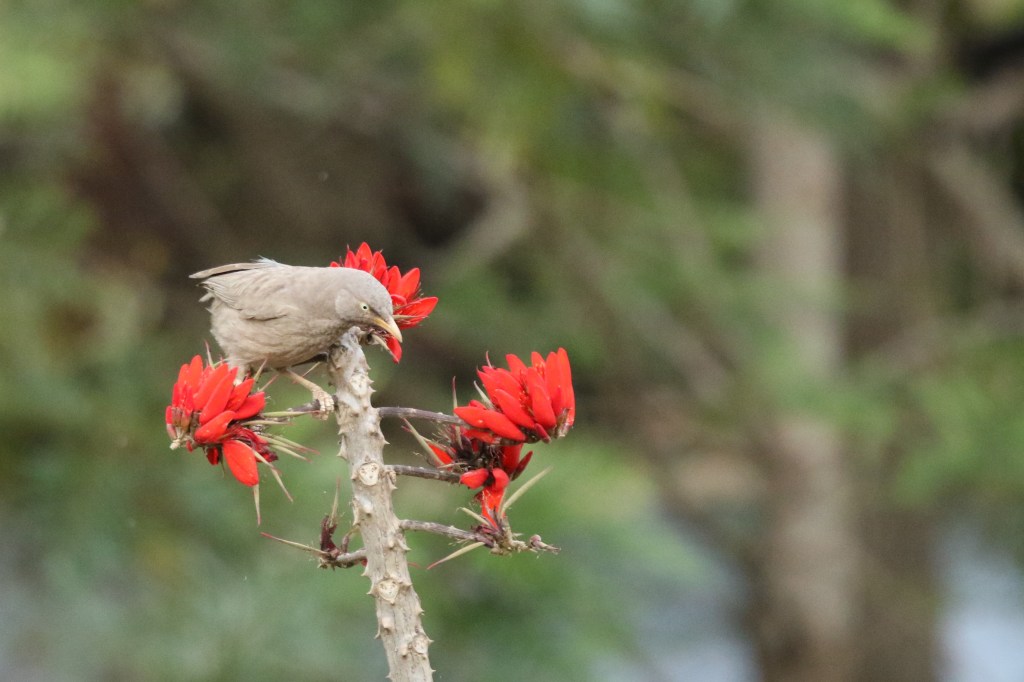
The next in the list of Summer Migrants is the Pale-headed starling with dark-tipped wings and an orangish belly and rump. Bill is distinctively colorful: blue with a yellow tip. Inhabits open forests and forest edge, as well as agricultural areas and village outskirts. Like other starlings, social and raucous, often flocking together while noisily churring and whistling.
Spot-winged Starling
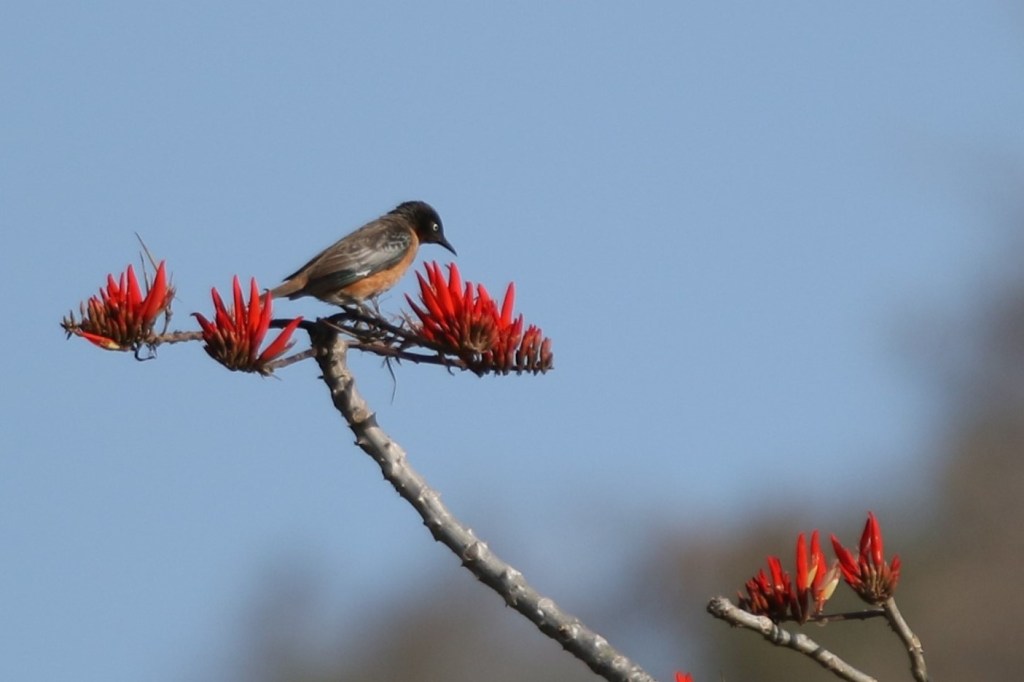
Uncommon pale-eyed starling with a white patch on each wing. Male is metallic dark blue-gray above with an orange breast and belly. Female is essentially plain gray all over. Found at middle elevations, where flocks frequent open forests and forest edges. Often forages in flowering and fruiting trees. Flocks give a noisy, rolling, high-pitched chatter.
Indian Golden Oriole
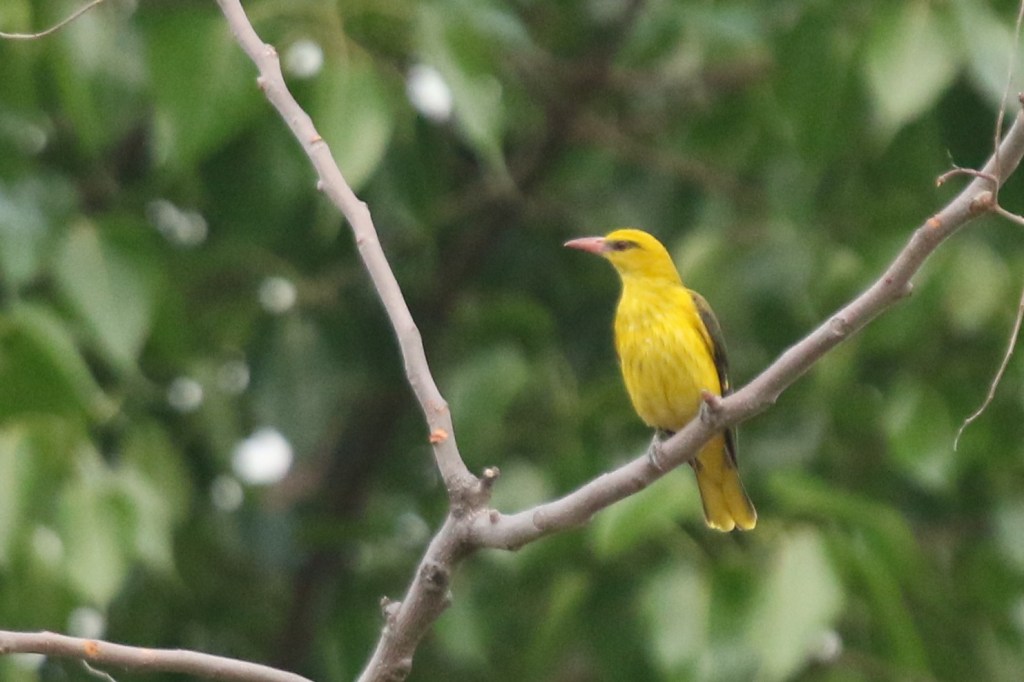
Acknowledged for its vibrant color and unique characteristics, the Indian golden oriole is another beautiful bird in the list of Summer Migrants clicked this Summer Season. Males are bright yellow overall save for the black wings and inner tail feathers. Note the yellow patch on the wings, the yellow outer tail feathers, the black stripe through the eye that gives it a masked appearance, and the fleshy pink bill. The female is dull greenish yellow overall with dirty brown/green wings and a completely yellowish tail.
Wire-tailed Swallow
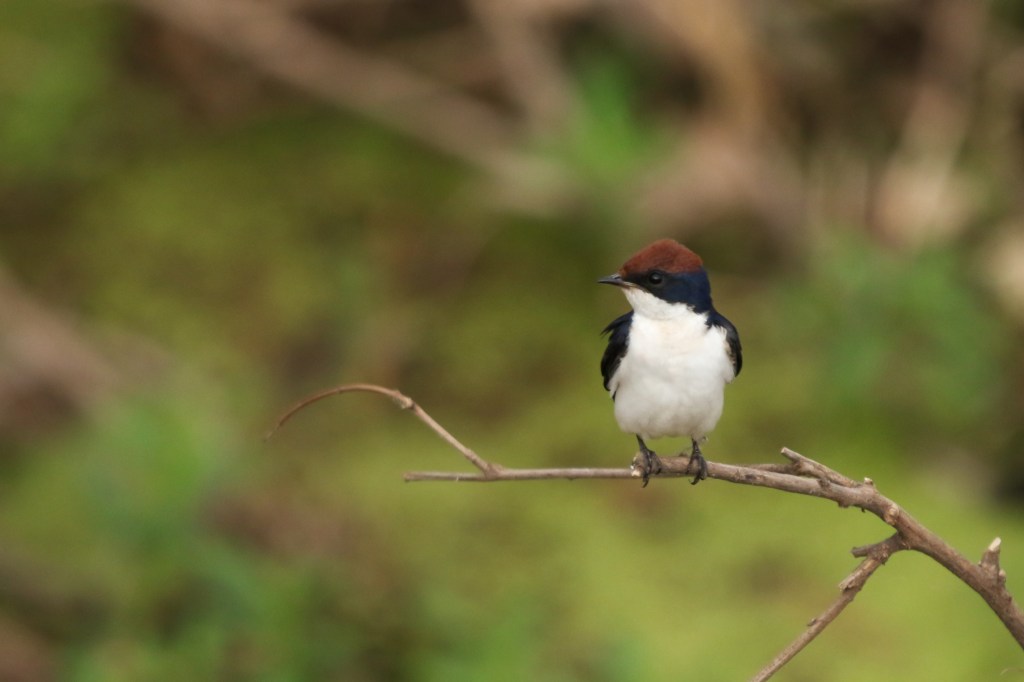
A very distinctive swallow with two long, thin feathers on its outer tail from which it gets its name. It has brilliant glossy blue upperparts and a chestnut forehead and crown that contrasts with clean white underparts. Females and juveniles have shorter tails. Can be easily seen at the Regulator end of the Sukhna Lake.
Asian Green Bee-eater
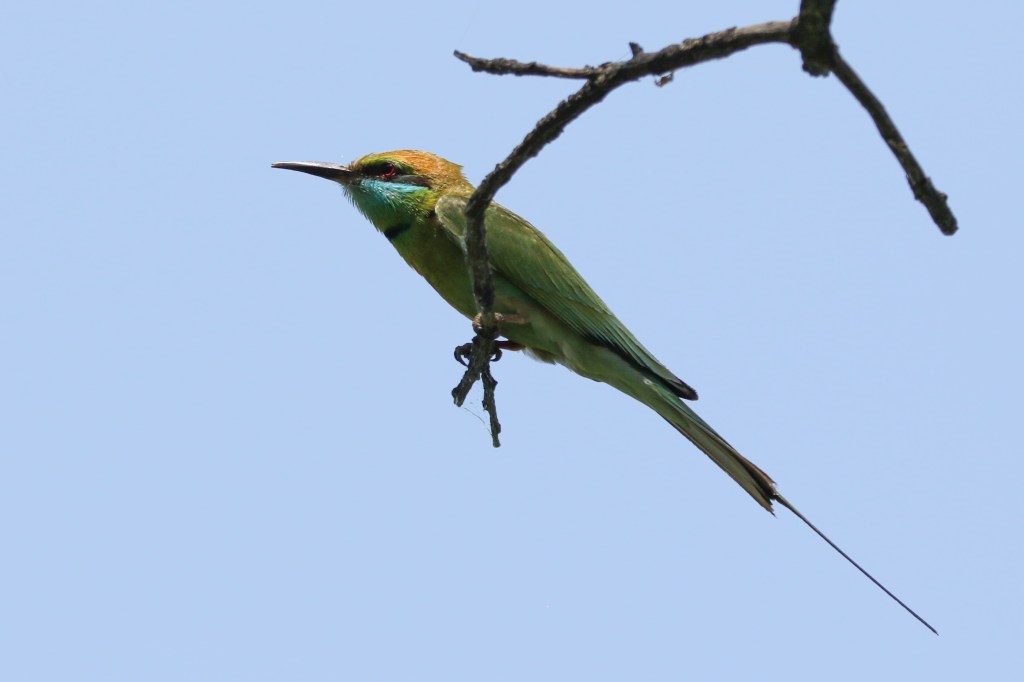
A small, dainty bee-eater of open woodlands, farmland, and sparse human habitation. Mainly green with a bluish throat, slender black eye mask and throat band, rufous or slightly rusty crown and back of the neck, and central tail streamers.
Indian Paradise-Flycatcher
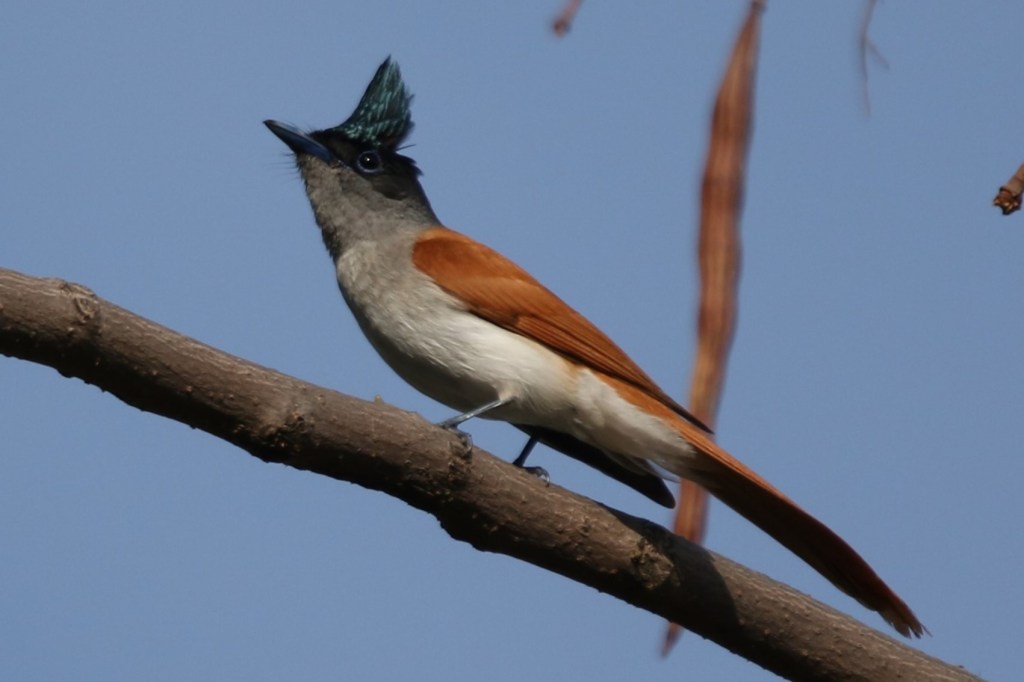
A graceful looking flycatcher, the adult male sport a long ribbonlike tail. The males occur in two color morphs cinnamon and white. Both color morphs sport a glossy black head with blue ring around the eye, but white morph is entirely white below while the cinnamon morph has cinnamon upperparts and tail, and dirty white underparts. The females are cinnamon above with a grayish throat, a shorter tail, and they lack the male’s blue eye ring.
Lesser Whistling-Duck

A small, well-proportioned, tree-nesting duck. Pale brown overall with a darker brown crown and nape, warmer chestnut underparts, and chestnut-fringed feathers on the back. Note the faint orange-yellow eyering and the dark gray bill and legs. Sexes similar; juveniles duller. A gregarious duck found in shallow water bodies with abundant vegetation. Flies with rapid wingbeats on broad dark wings; note flashing chestnut shoulders and chestnut rump. Call is a wheezy whistling “seasick-seasick.”
As always, I enjoyed this summer season with these migrant birds which helped me a lot not only to beat the heat, but also to look more closely to these birds and gather lot of information related to them.
 naturetrail
Good as always. Subhash Sapru
LikeLike