Winter season is almost over. Along with this, the migratory birds, which started coming from the months of October and November, and were here for the last 3 months, have started going back. In this winter season, more than 50 migrant birds were seen in Chandigarh and its surrounding areas. As soon as the winter season begins, many beautiful birds come here every year after traveling thousands of kilometers from mid-October and live here till the end of February or mid-March. At the same time, some birds come from the high altitude of the Himalayas to the plains in winter.
If we talk about waterfowl, then this winter about 22 varieties of waterfowls were seen in Chandigarh or its surrounding areas/wetlands in the winter season. In Chandigarh, many of these species were seen at Sukhna lake. If we travel 30 km towards south from Chandigarh, there is a village Mote Mazra, which is heaven for birders, as almost all the migrant species of waterfowls can be spotted here. Not only this but also we can watch these species very closely at Mote Mazra Village Pond.
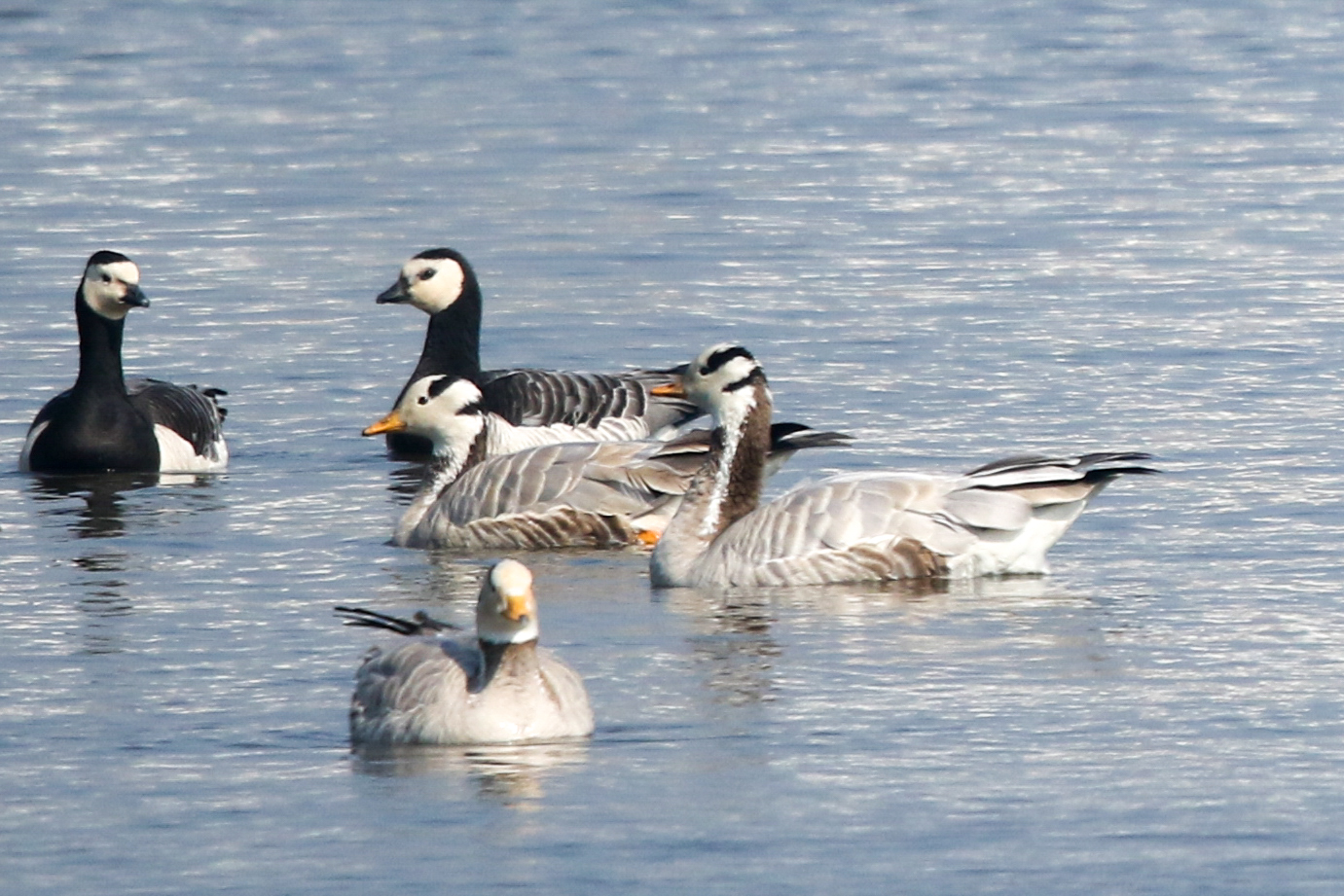
Barnacle Geese ( Title Picture ) were spotted at Mote Majra in January 2024. This is probably the first sighting of this species in South Asia.
Sharing the Pics clicked in this Winter Season November 2023 to February 2024
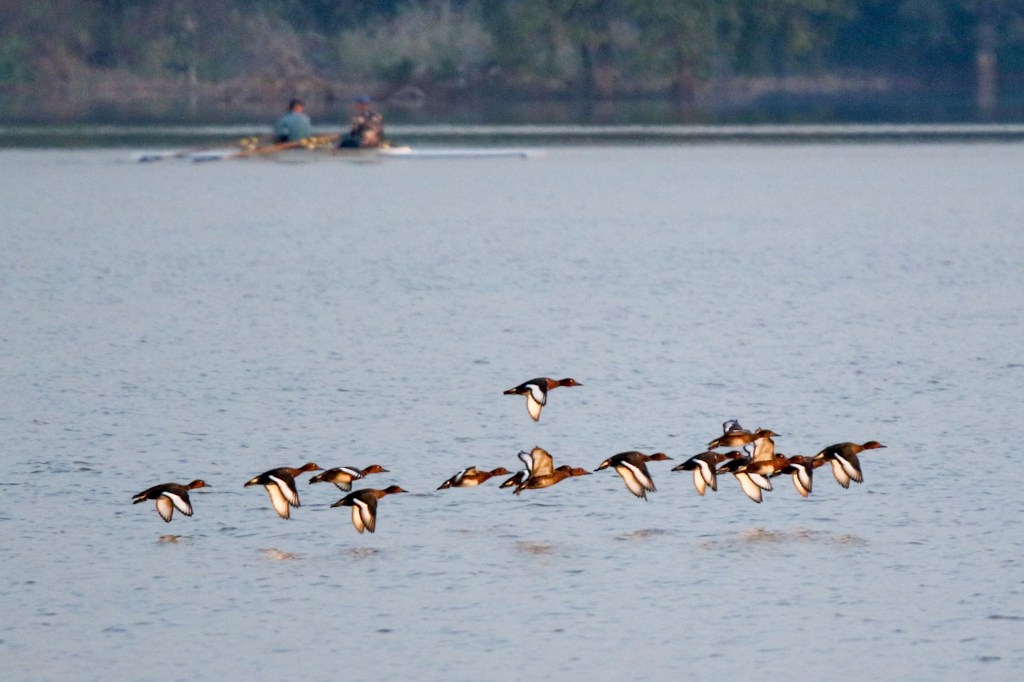
Ferruginous Ducks – Sukhna Lake
Rich rusty brown overall with contrasting white triangular patch under tail; male has pale eye. Also note peaked crown and rather long gray bill. In flight, both sexes show bold white wing stripe. The first winter migrant seen at Sukhna Lake this season in November 2023,
Ruddy Shelduck – Sukhna Lake
Striking and distinctive gooselike duck. Plumage bright ruddy overall with contrasting pale creamy head and neck; male has narrow black neck ring. Breeds in southeastern Europe and Central Asia, winters in South Asia. One of the first winter migrants seen at Sukhna Lake.

Bar-headed Goose – Mote Mazra
One of the highest and most iconic transmountain migrator in the world, the Bar-headed goose flies at heights that may reach 30,000 feet during its twice-yearly migrations above the Himalayan Mountains. This handsome stout-bodied goose gets its name from the double bars of dark feathers that wrap around the back of its white head. Its body is light gray, and its legs and bill are bright orange. Males and females are identical.

Northern Pintail – Mote Mazra
An elegant medium-sized dabbling duck with a slim profile, long narrow neck and pointed tail, that is native to the northern areas of Europe. The male’s long central tail feathers give rise to the species’ English and scientific names.

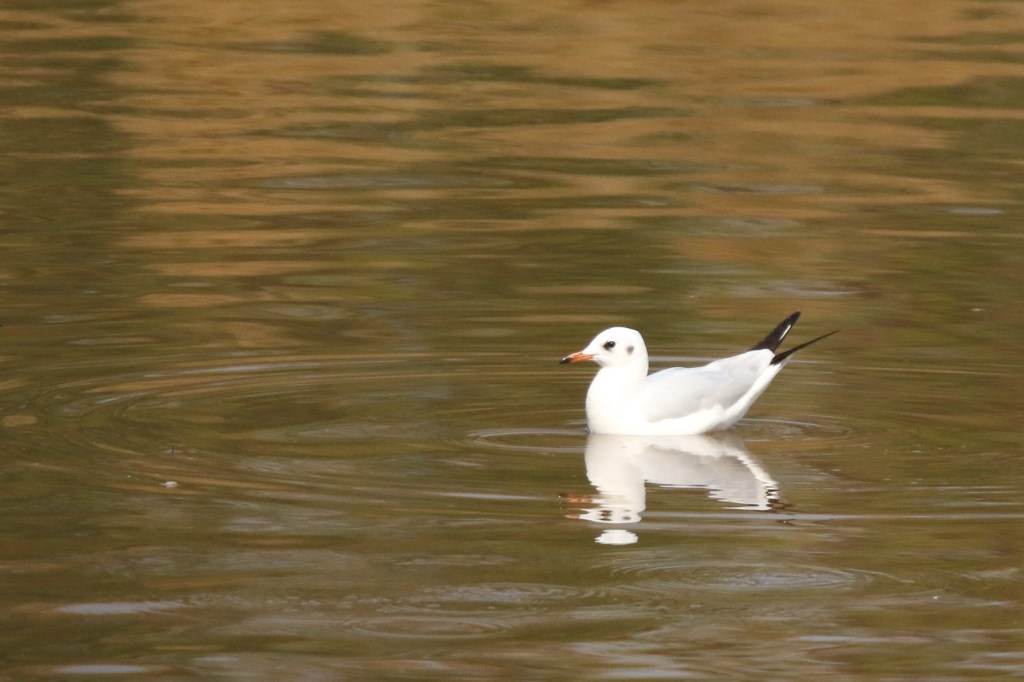
Black-headed Gull – Sukhna lake
The title of Black-headed Gull is rather a misnomer for this bird as its head is not black but a dark brown colour and only in adult birds during the breeding season.
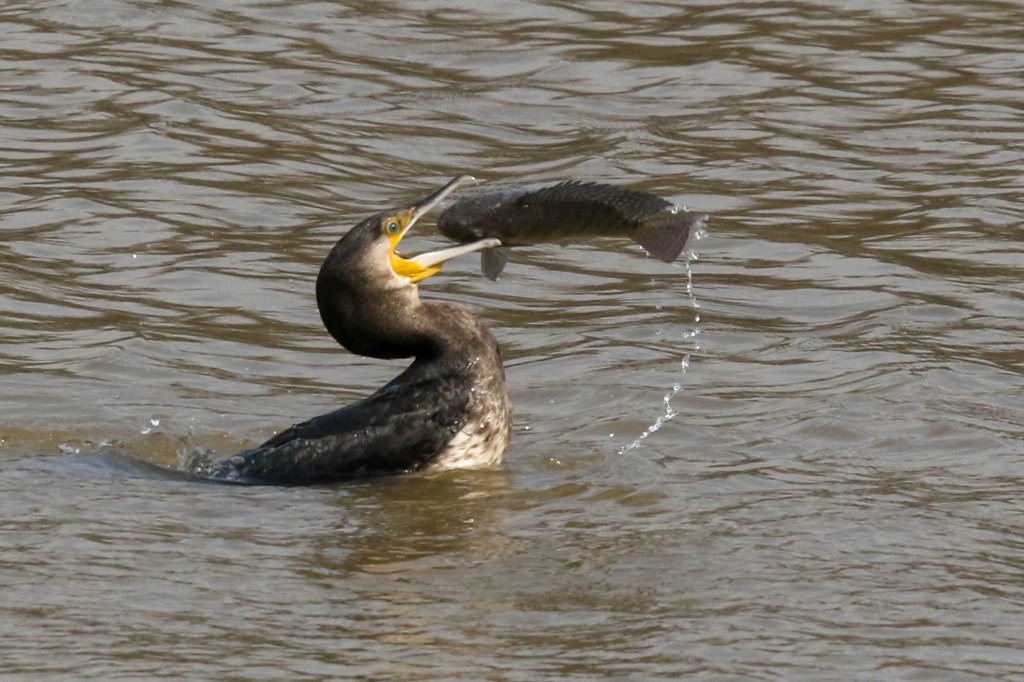
Great Cormorant – Sukhna lake
The Great cormorant is a large, long-necked, beautiful black waterbird with an oily Plumage which is usually black with an iridescent sheen. Cormorants are not wading birds, but excellent divers, and underwater they propel themselves with their feet with help from their wings. Some cormorant species have been found to dive as deep as 45 meters (150 ft). A cormorant dives deep in search of fish. It can hold its breath for about 15 minutes (900 seconds).
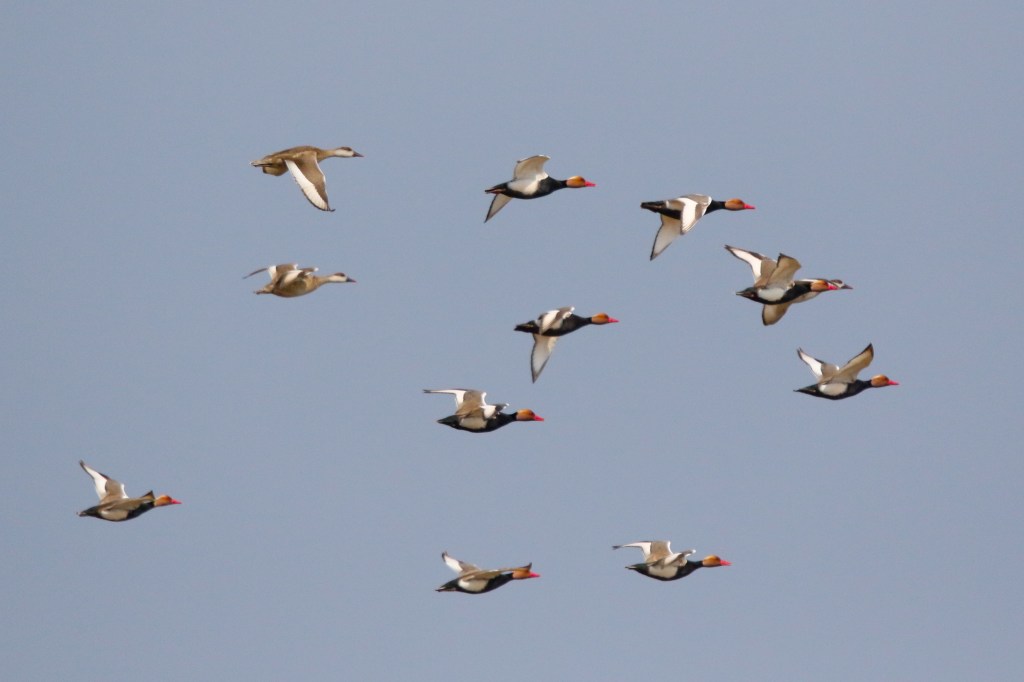
Red Crested Pochard – Sukhna Lake
A diving duck , Male striking and unmistakable with large, rounded, rusty-orange head, long red bill, and black breast. Female rather drab but distinctive: dirty buff overall with pale cheeks, dark face, and rounded brown cap. In flight, both sexes show a thick white wing stripe and whitish underwings.
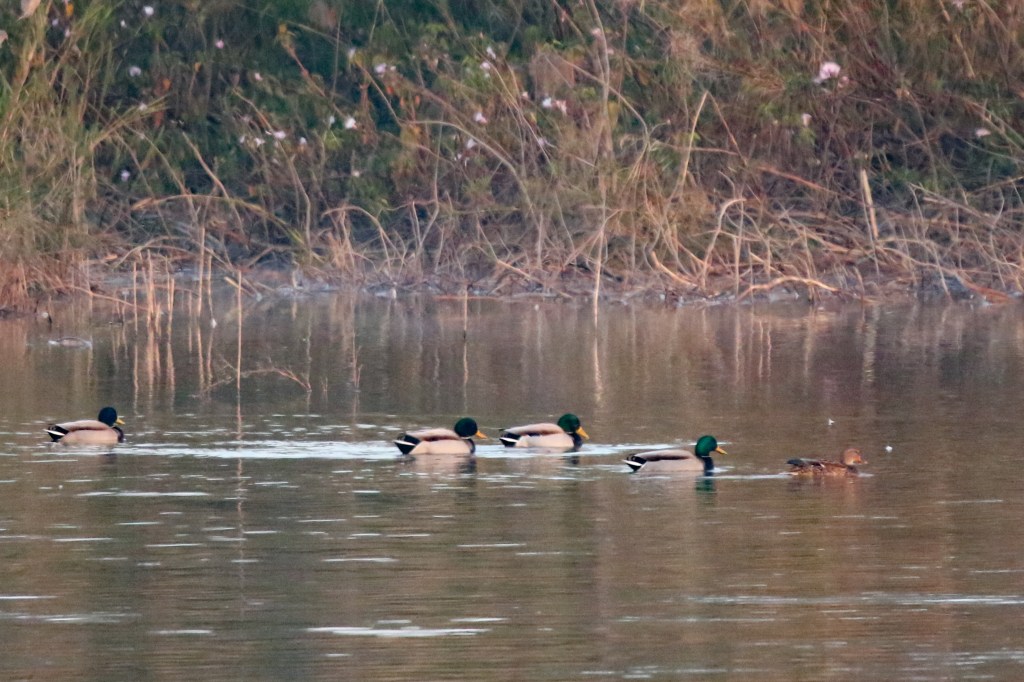
Mallard – Sukhna Lake
A large duck, generally common and familiar within its extensive range. Males are distinctive with iridescent green head, yellow bill, chestnut breast, and gray body. Females are mottled brown with orange and black splotches on the bill.
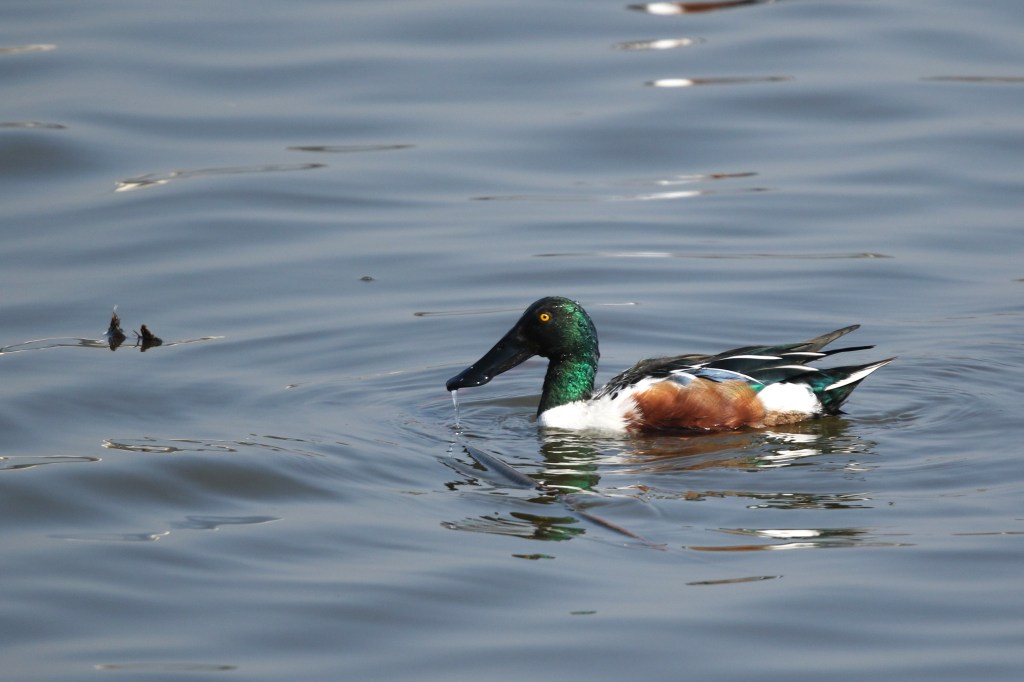
Northern Shoveler – Mote Mazra
Medium-sized duck; smaller than a Mallard. Huge, spoon-shaped bill visible at a distance and in flight. Breeding males have dark green head, white breast, and chestnut sides and belly. Females buffy brown with large, distinctive bill. Chalky-blue upper wing.
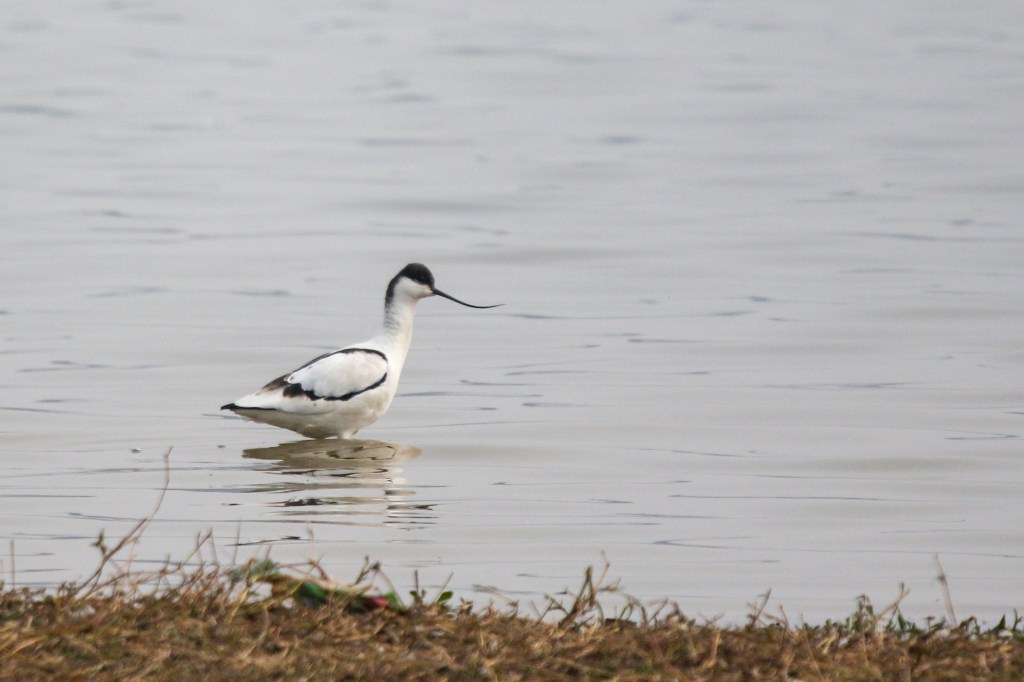
Pied Avocet – Mote Mazra
Striking and essentially unmistakable, with elegant shape, boldly pied plumage, long bluish-gray legs, and long, slender, upcurved bill. Curve is stronger on female.
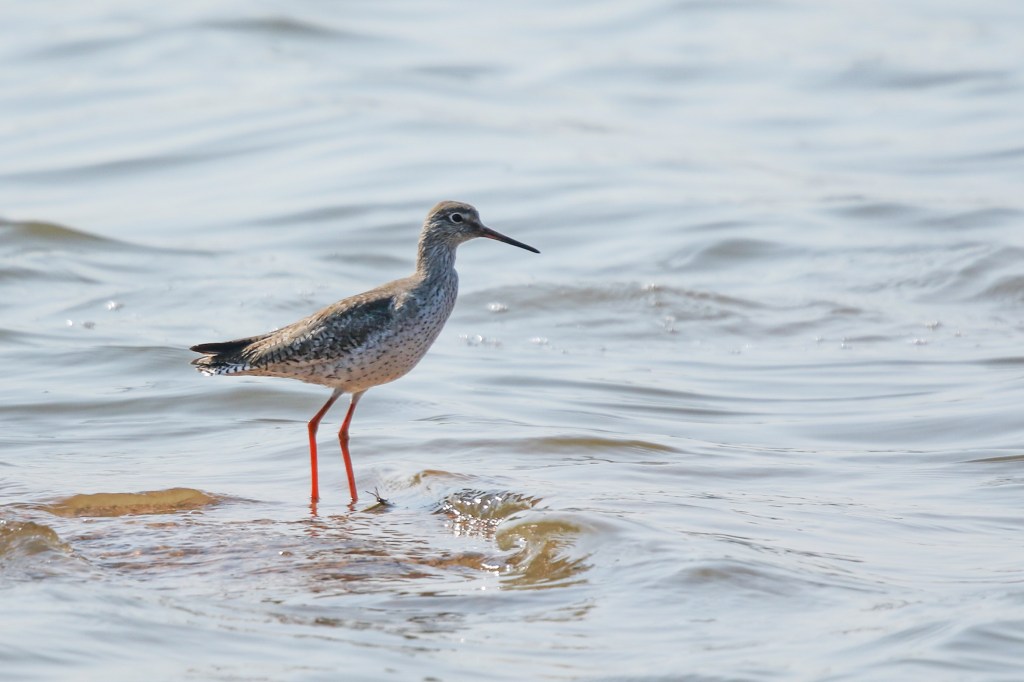
Common Redshank – Mote Mazra
Stocky brown wader with bright red legs; compare with slenderer, far more gracile Spotted Redshank in juvenile and non-breeding plumage.
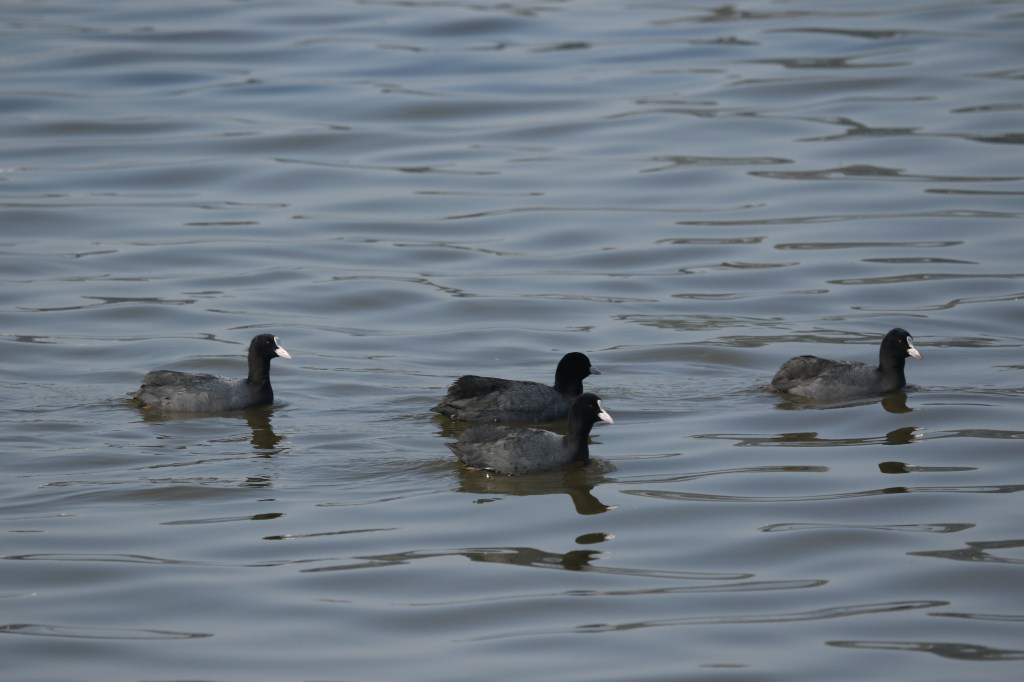
Eurasian Coot – Mote Mazra
Eurasian Coot – Distinctive stocky waterbird. Adult is dark gray overall with a white bill and forehead shield. Immature has a pale breast and a duller bill that becomes brighter white with age. When walking on shore, note big feet with lobed toes.
Common Pochard – Mote Mazra
Common Pochard – Mid-sized diving duck. Male distinctive, with dark rusty head, pale gray body contrasting with black breast, and broad pale bluish band on bill. Female rather nondescript: gray-brown overall with diffuse pale head markings. Note sloping forehead and dark gray bill with pale band near tip.

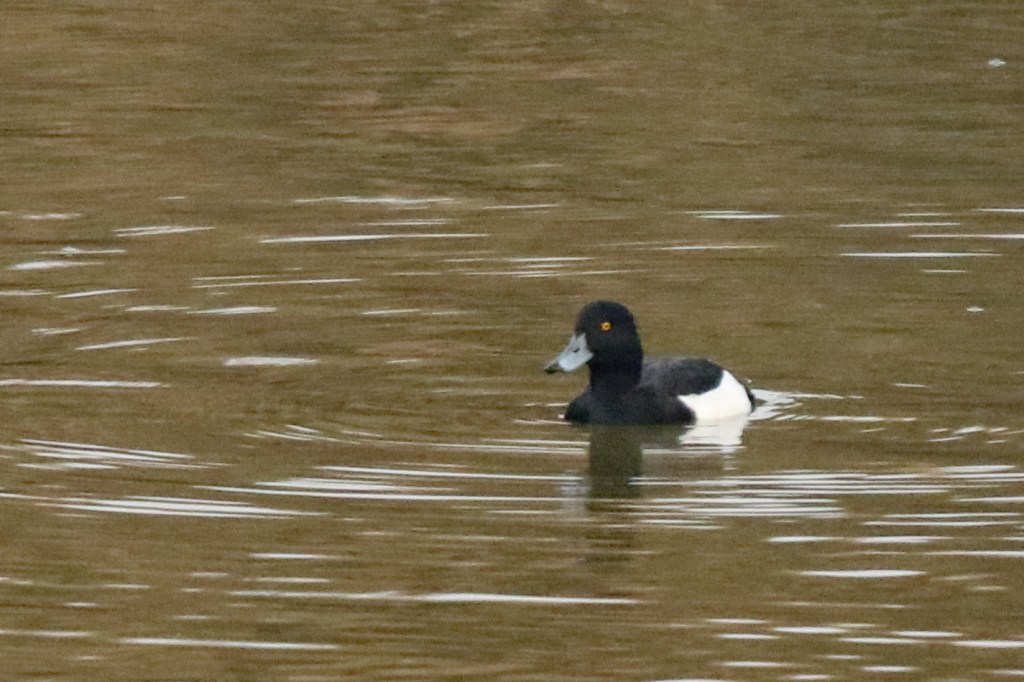
Tufted Duck – Sukhna lake
The tufted duck is medium-sized diving ducks ,with short bodies and large heads. They are called tufted ducks because they have a unique tuft on their heads.
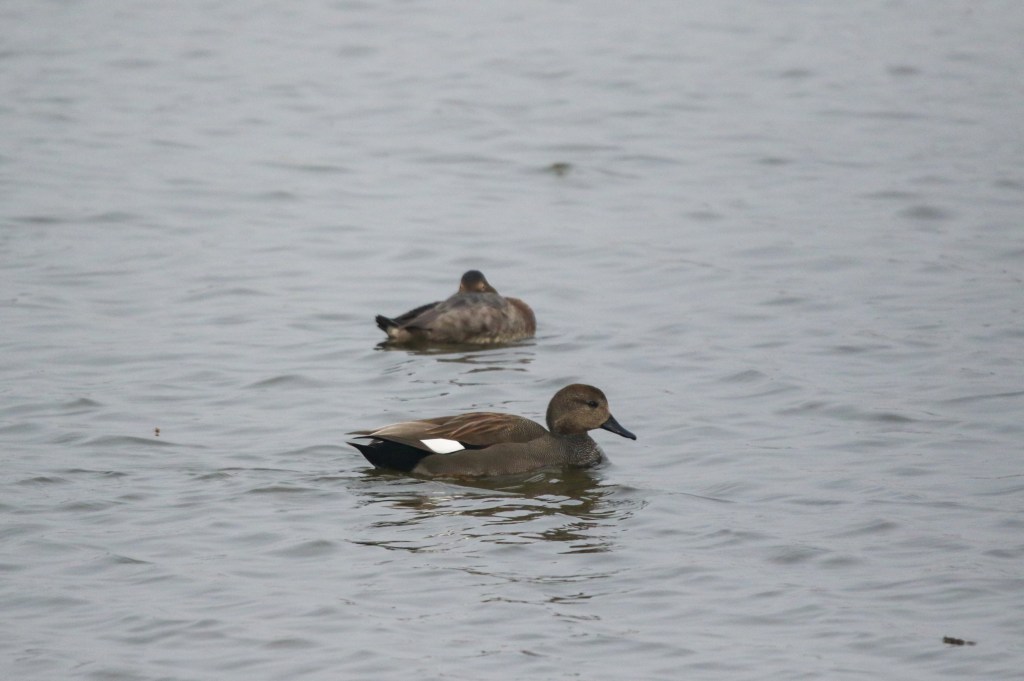
Gadwall – Mote Mazra
Fairly large duck with extensive range across Northern Hemisphere. Males are mostly gray with a black rear end and puffy head. Also look for small white wing patch in flight. Females are similar to Mallard, but note thinner bill, plainer face, orange line along the edge of the bill, and white wing patch in flight.
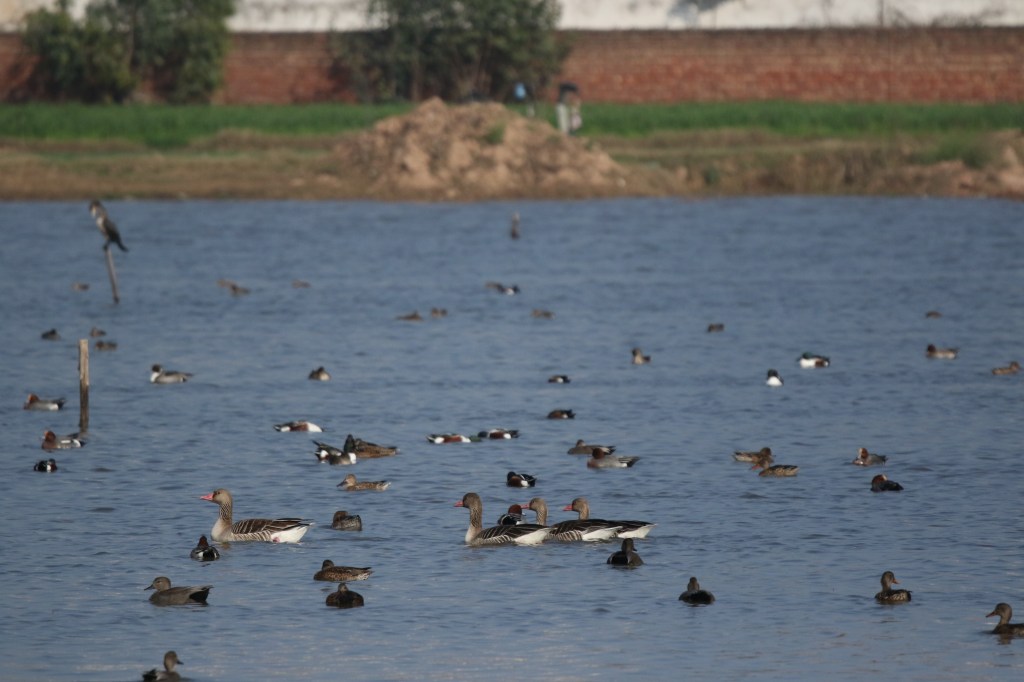
Greylag Goose – Mote Mazra
Large gray goose. Rather bulky and overall brownish gray with a big pinkish-orange bill and pinkish legs.
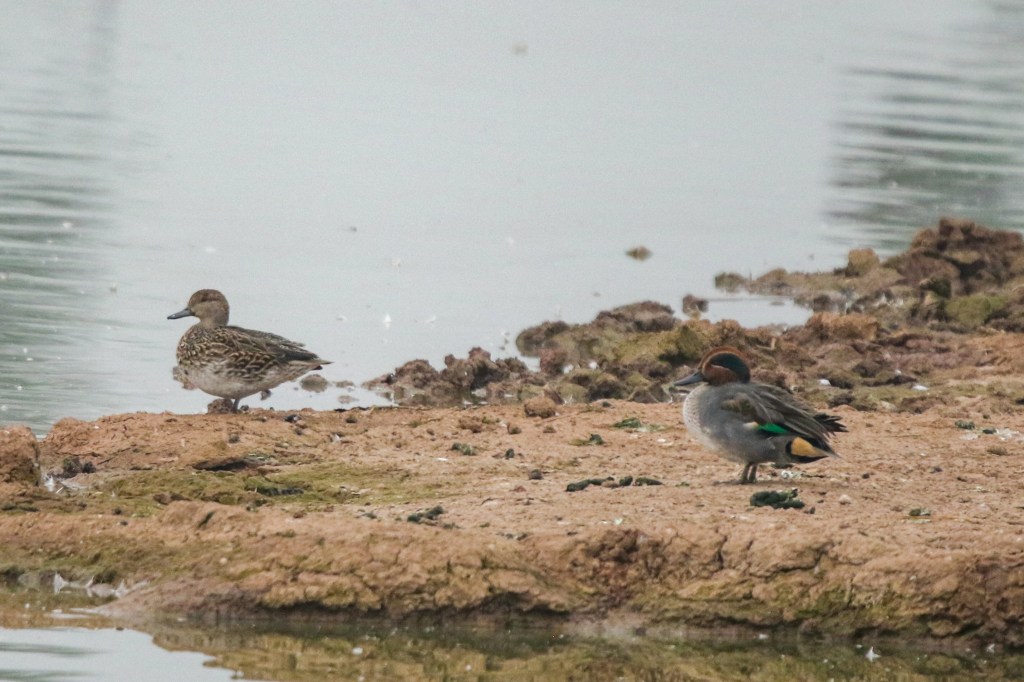
Common Teal – Mote Mazra
Tiny duck with a petite, thin bill. Males have a brown head with a wide green swatch behind the eye, creamy speckled breast, and mostly gray body. Females are brown, darker overall than other dabbling ducks. Forages by dabbling and tipping-up to reach submerged aquatic vegetation.
Hoping that we shall preserve our wetlands in better way so that more and more species come here in the next winter season.
 naturetrail