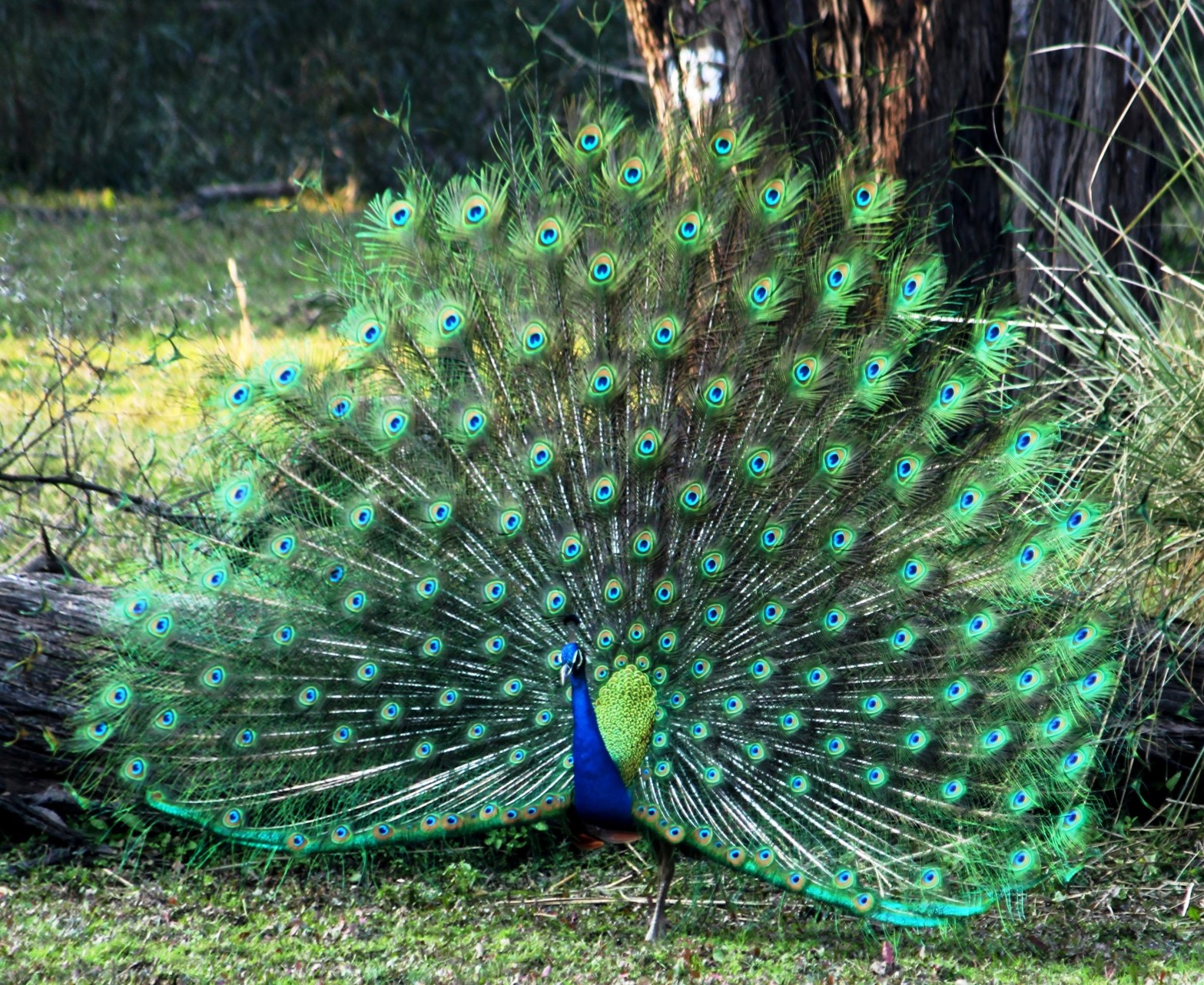
The Indian Peafowl is a bird that has fascinated humans for centuries with its stunning beauty and elegant display. Commonly referred to as the peacock (with males called peacocks and females called peahens), this bird is not just a national symbol of India but also a creature of immense cultural and aesthetic significance. The Indian Peafowl is a marvel of the natural world, embodying a blend of beauty, grace, and cultural depth. Its striking appearance and significant role in mythology and symbolism make it a fascinating subject of study and admiration.
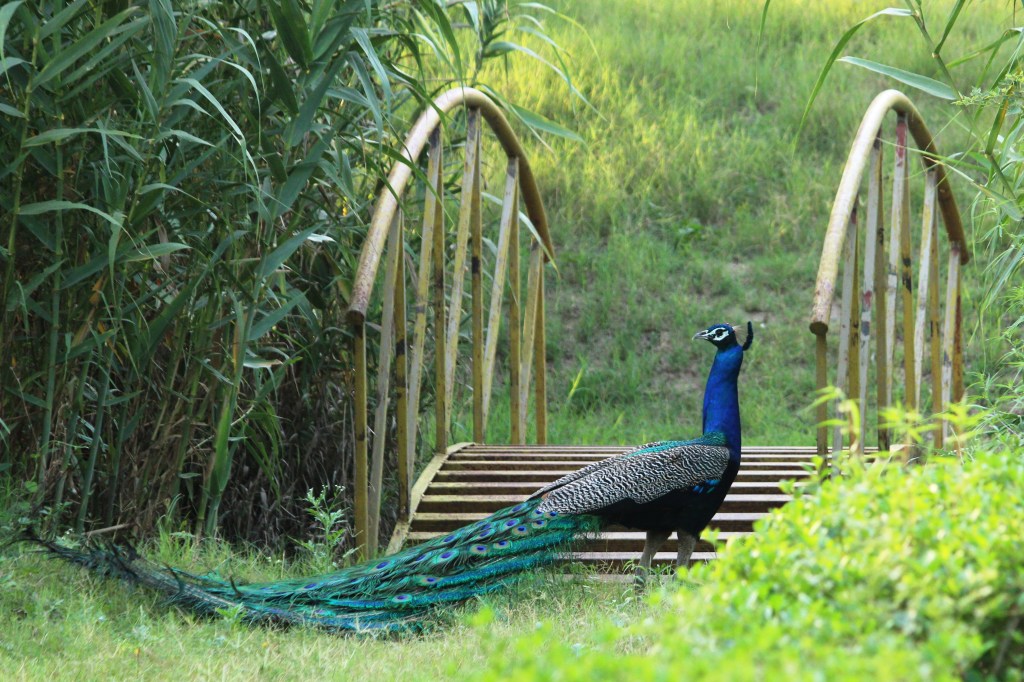
City Forest, Chandigarh
The Indian Peafowl is native to the Indian subcontinent but can also be found in various parts of South Asia, including Sri Lanka and Myanmar. These birds thrive in deciduous forests, scrublands, and even cultivated areas, showing remarkable adaptability. They prefer habitats that provide both open areas for foraging and dense forests for roosting.
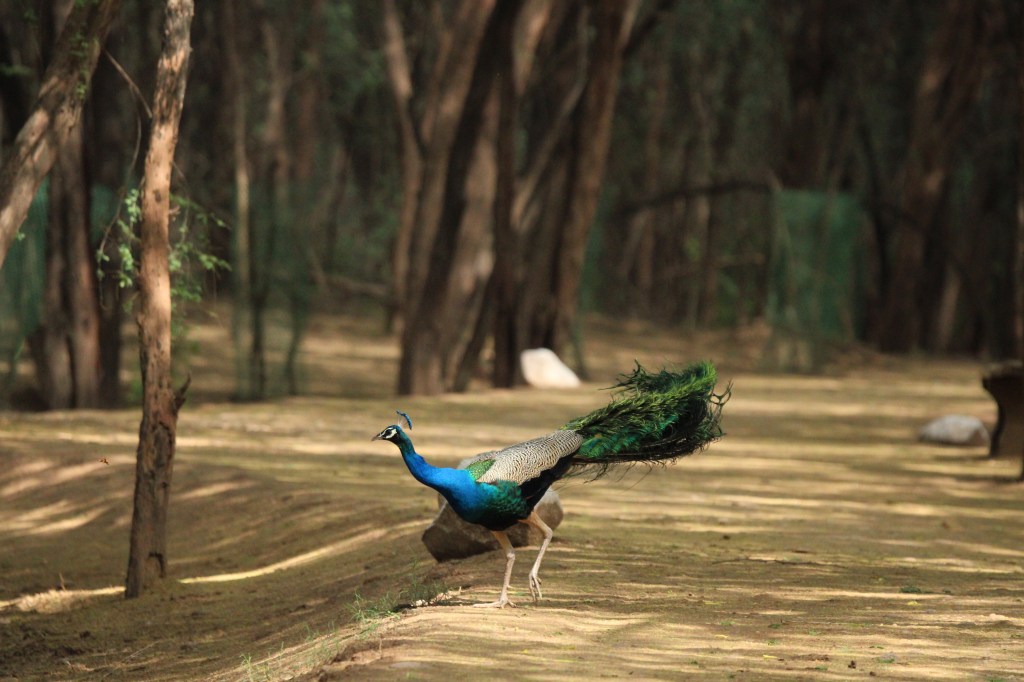
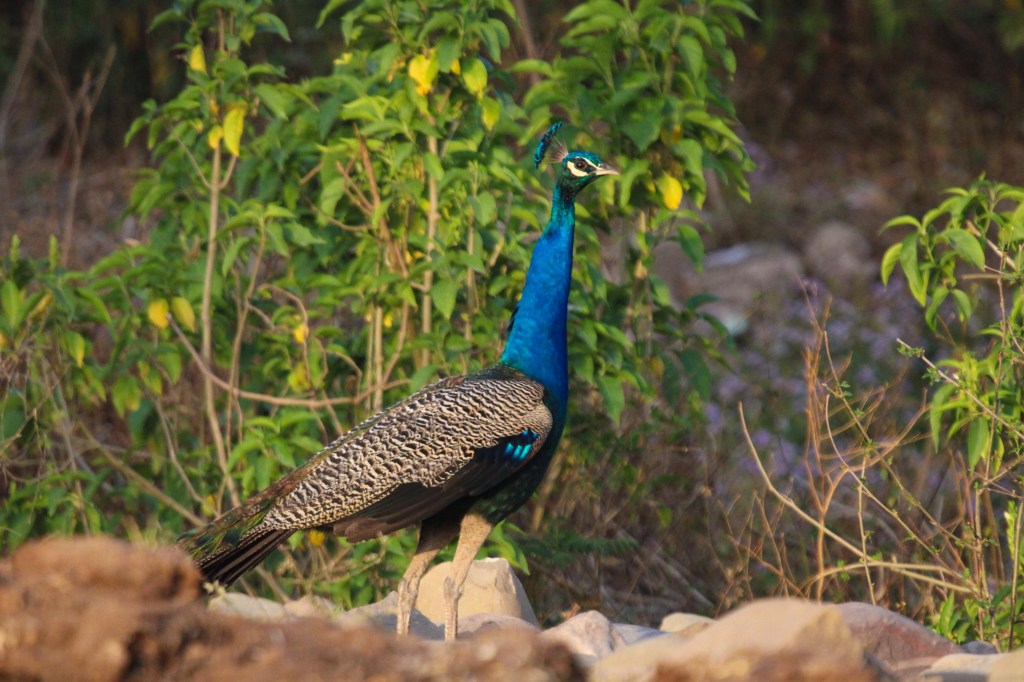
Lake Reserve Forest is the perfect place to watch Indian Peafowl in its natural habitat roaming freely
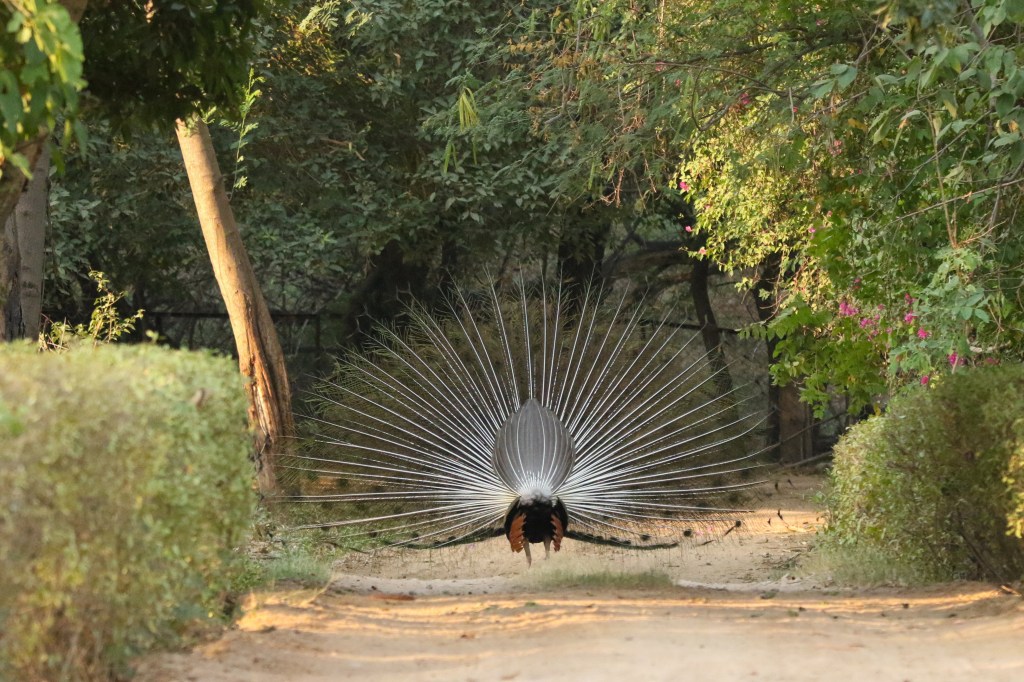
The most striking feature of the Indian Peafowl is the male’s extravagant train, which is often mistaken for its tail. This train, composed of elongated upper tail coverts adorned with iridescent eyespots, can extend up to 2 meters and is used during courtship displays to attract females. Peahens, in contrast, have more subdued plumage, with shades of brown and gray that provide camouflage from predators.
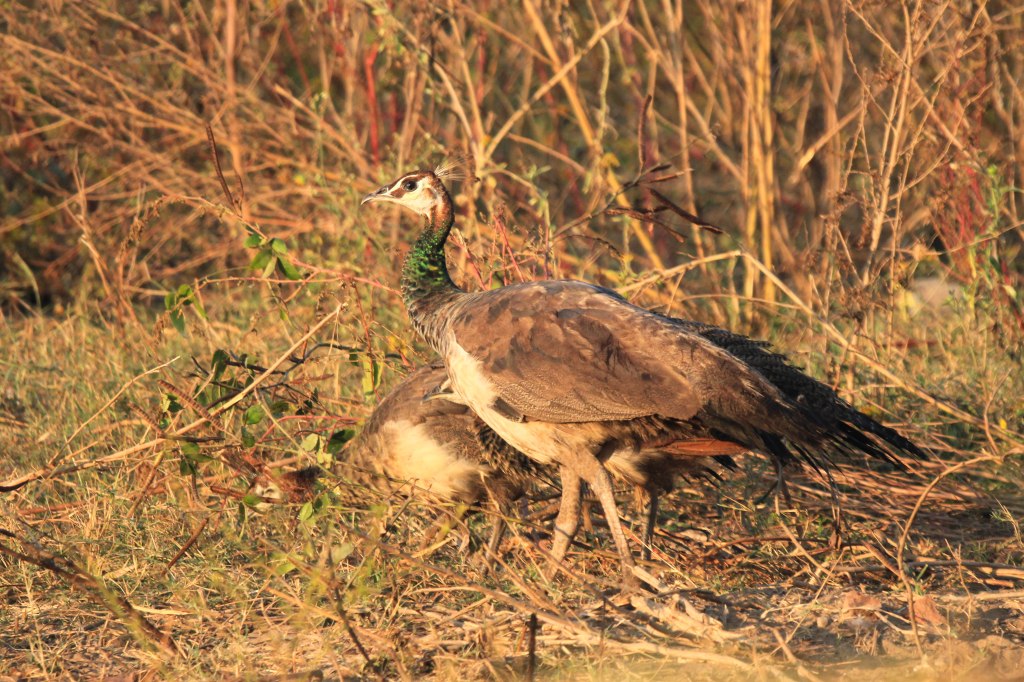
Peahen – Lake Reserve Forest, Chandigarh
The coloration of the peacock’s plumage is a result of microscopic structures that reflect light, rather than pigments, creating a mesmerizing iridescent effect that changes with the viewing angle.
Lake Reserve Forest, Chandigarh
Indian Peafowls are omnivorous, with a diet that includes seeds, insects, fruits, and small mammals. They often forage on the ground in the early morning and late afternoon, using their strong legs and sharp beaks to dig through leaf litter and soil. These birds are highly social and often form small groups.
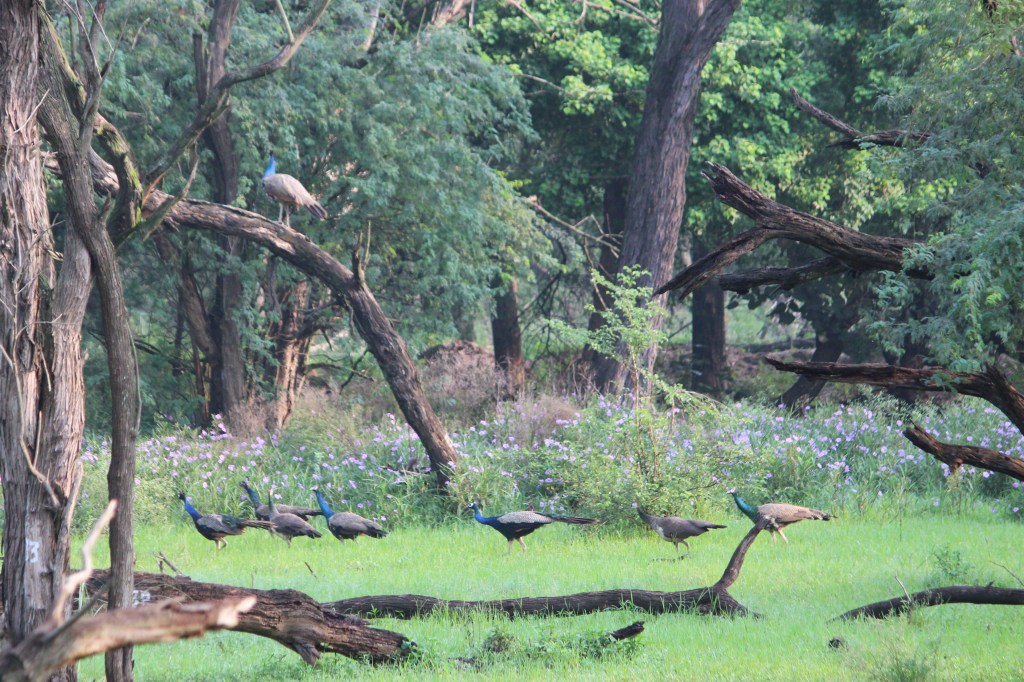
Males are territorial and can be seen displaying their magnificent plumage to assert dominance and attract females. During the breeding season, peacocks perform elaborate courtship displays, shaking their trains and emitting a series of loud calls to entice potential mates.
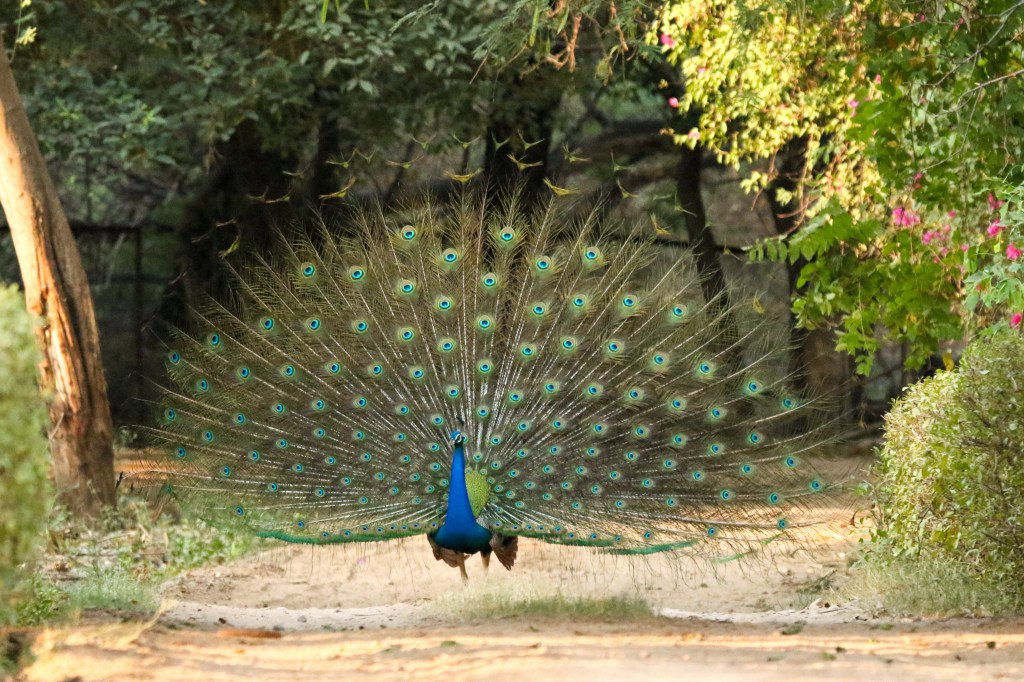
Stunning beauty of the Indian Peafowl’s vibrant plumage and mesmerizing courtship dance
In Indian culture, the peacock is a symbol of beauty, grace, and pride. It is often associated with various deities in Hindu mythology. For instance, the god Krishna is frequently depicted with a peacock feather in his headgear, symbolizing divine beauty and cosmic essence. The goddess Saraswati, representing wisdom and learning, is also sometimes shown riding a peacock.
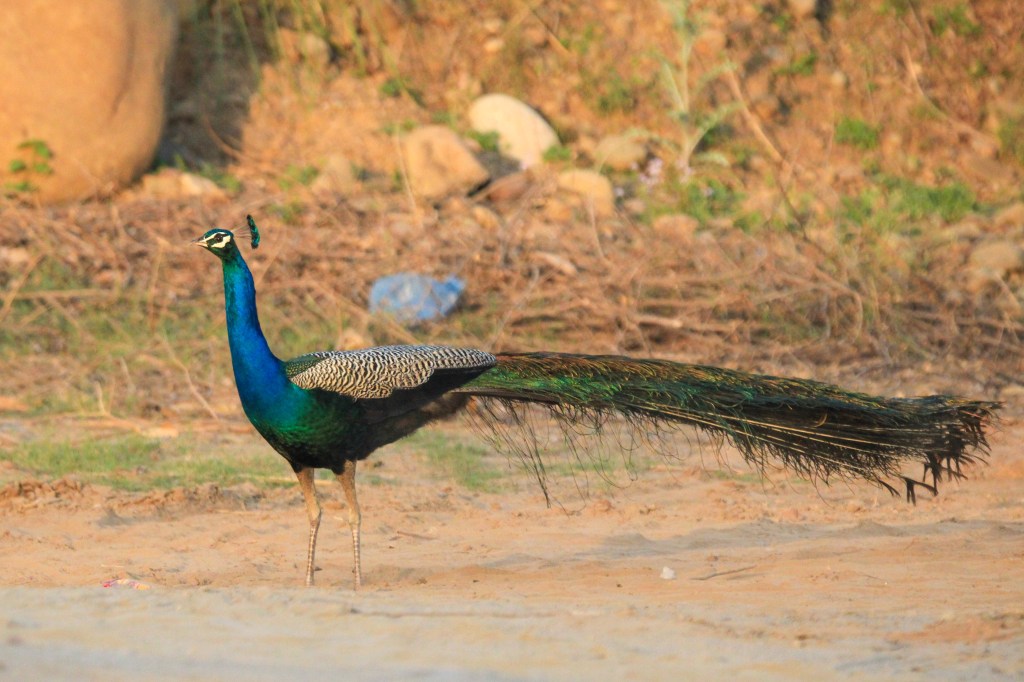
The Indian Peafowl was declared the national bird of India in 1963, reflecting the bird’s widespread appeal and its importance in the cultural heritage of the country. Its status as a national symbol underscores the need for its protection and conservation.
Despite its cultural reverence, the Indian Peafowl faces threats from habitat destruction, hunting, and poaching. However, due to its adaptability and the reverence it holds in many parts of India, it is not currently considered endangered. Conservation efforts focus on habitat preservation and strict enforcement of wildlife protection laws.
As we continue to appreciate and protect this magnificent bird, we ensure that future generations can also marvel at its splendor and grace.
 naturetrail
Thanks for sharing. Keep it up. My best wishes, always. Subhash Sapru
LikeLike