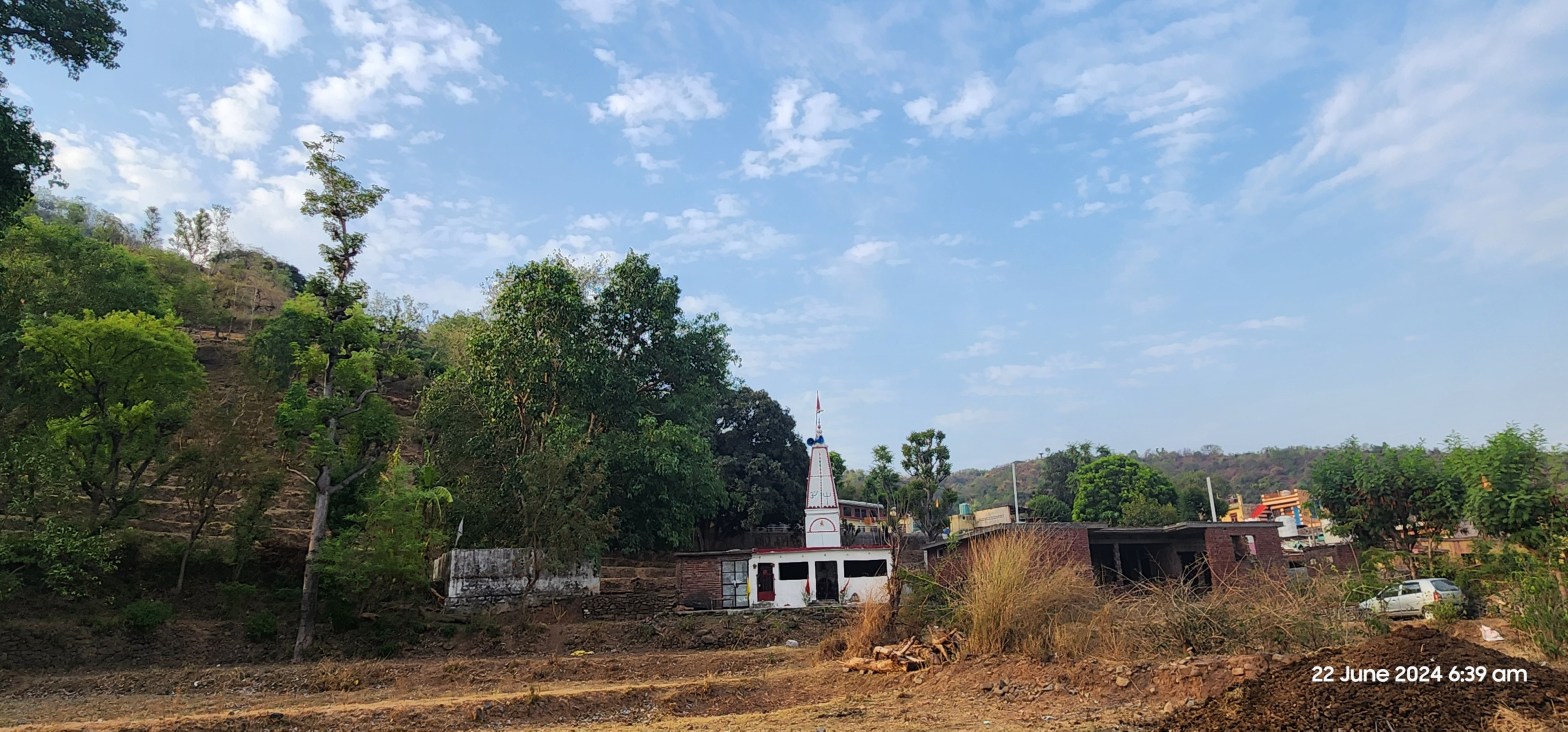
Nestled in the serene and picturesque region of Haryana, Village Thapli, located in the Morni Block of Panchkula district, offers a unique and enriching experience for birding enthusiasts. A 30-minute drive from Chandigarh, Thapli has become a preferred destination for bird watchers during the summer season. Its diverse habitats and rich biodiversity make it a hidden gem for those seeking to explore avian treasures.
The villagers of Thapli live amidst natural surroundings, waking up to the sweet songs of birds. The beauty of the rising sun, the sweet breeze, and the greenery of the fields provide a multitude of pleasures that abound in the countryside. Agriculture is the main profession of the residents, who are known for being peaceful, cordial, and helpful. Despite the influx of birders, especially on weekends, the villagers never object to their presence and often assist them in bird watching.
The best times for birding in Village Thapli are during the early morning and late afternoon. These periods coincide with peak activity times for many bird species, increasing the chances of observing them in their natural behaviors. Additionally, the cooler temperatures during these times make for a more comfortable birding experience. As a birding enthusiast, I often visit Thapli and its adjoining areas during the summer season, especially when birding activity in Chandigarh diminishes. Though the avian checklist of this area is extensive, I have shortlisted ten of the most beautiful birds I have photographed in this region.
1. Indian Pitta
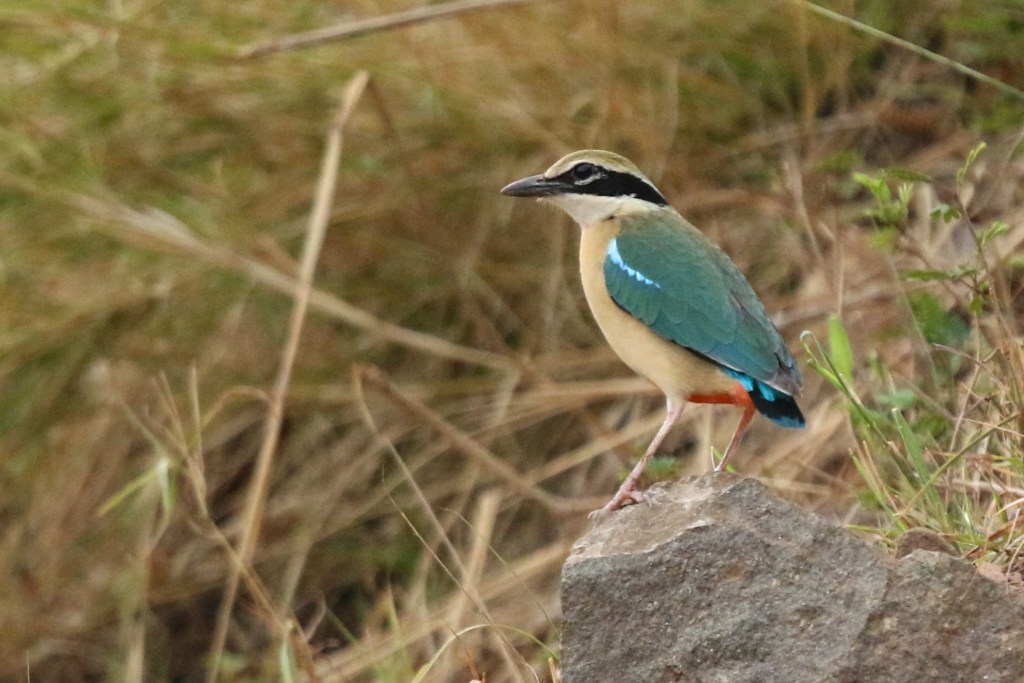
The Indian Pitta is a nature’s gift for bird enthusiasts, arriving in Thapli every summer season for breeding. This ground-dwelling bird is a true spectacle, easily distinguishable by its vibrant, multi-coloured plumage. Despite its elusive nature, its loud, two-note whistle call often reveals its presence before it’s seen. Bird watchers can enjoy watching this “jewel of the forest” as it searches for its partner, gathers nesting materials or feed for the chicks.
2. Indian Golden Oriole
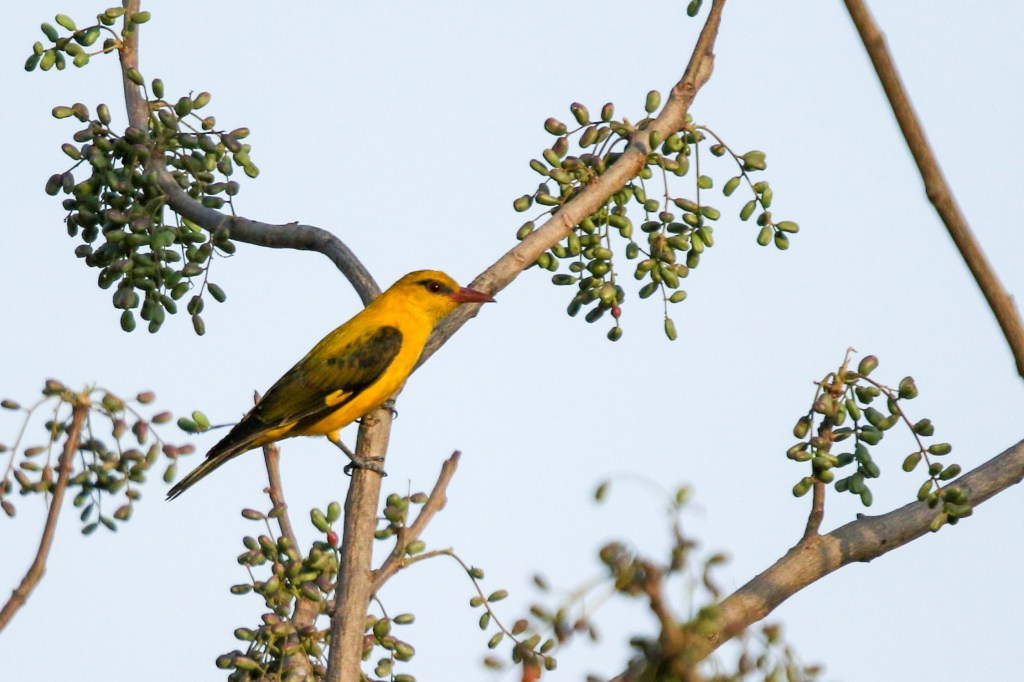
The male Indian Golden Oriole is resplendent with its bright golden-yellow body and contrasting black wings and tail. The black streak through its eye adds a dramatic touch to its appearance. Known for its sweet, fluty calls, the Indian Golden Oriole’s song is a series of melodious whistles that resonate through the trees during the breeding season, providing a musical backdrop to its vibrant visual presence.
3. Indian Roller
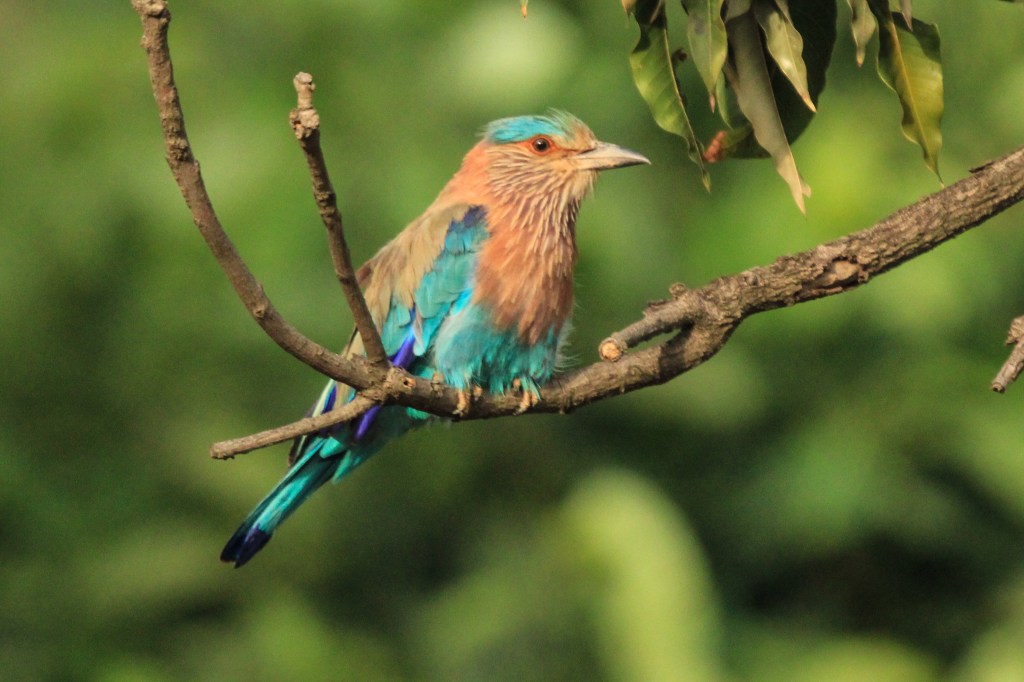
The Indian Roller is instantly recognizable by its vivid blue and turquoise feathers. Its wings display a striking combination of electric blue and deep purples, especially dazzling during flight. Males perform impressive aerial stunts during the breeding season, rolling and diving through the air to attract females, giving the bird its name.
4. Verditer Flycatcher
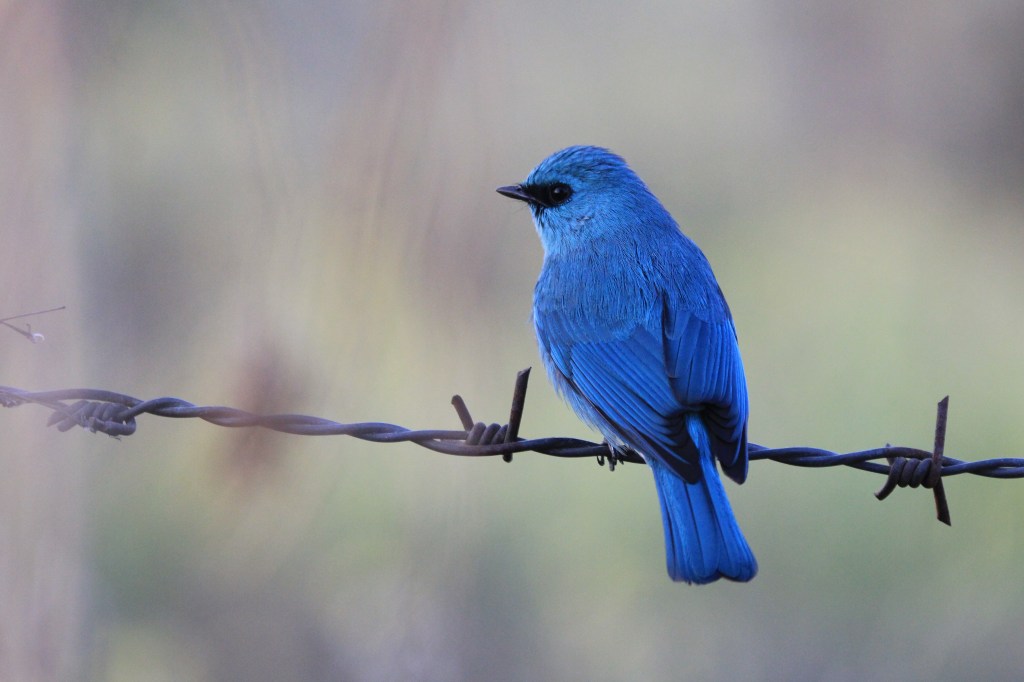
The Verditer Flycatcher, with its mesmerizing turquoise-blue plumage, is a true gem of the avian world. Amidst the green canopy, the vivid blue of the male stands out like a jewel, while the female, in more subdued tones, exudes elegance. Their melodious calls add to the allure of this enchanting bird.
5. Crested Bunting
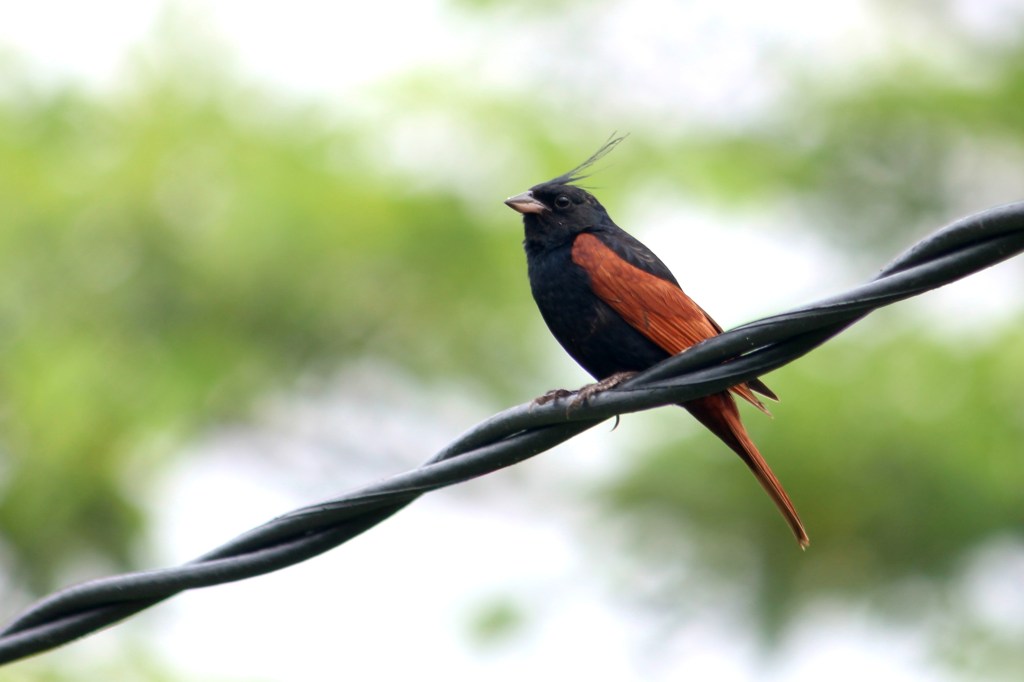
The male Crested Bunting is easily identifiable with its striking combination of black, white, and chestnut plumage, along with a prominent crest. This bird’s distinct features make it a fascinating subject for bird watchers and photographers alike.
6. Purple Sunbird
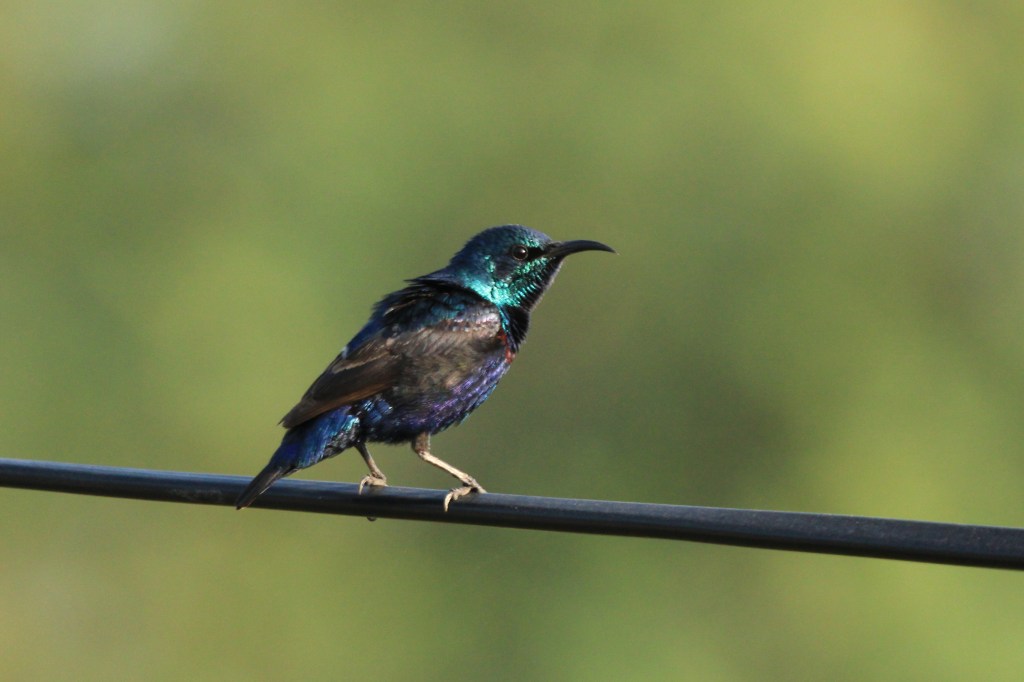
The male Purple Sunbird captivates with its iridescent plumage that gleams with metallic hues of purple, blue, and green. During the breeding season, its throat and chest blaze with vibrant purple, contrasting beautifully against its dark wings and tail, making it a delightful sight for bird watchers.
7. Black – winged Kite
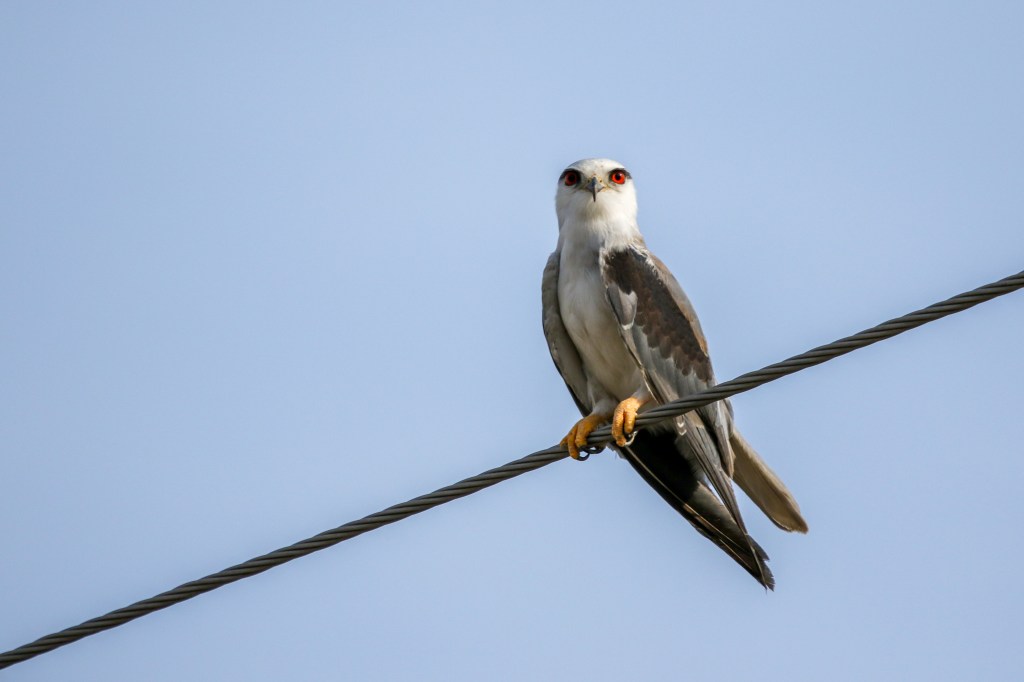
The Black-winged Kite is a striking raptor known for its elegant appearance and aerial prowess. With predominantly white plumage and distinctive black shoulder patches and wingtips, this bird of prey is fascinating to watch as it hovers effortlessly over grasslands and marshes while scanning for prey.
8. Red – rumped Swallow
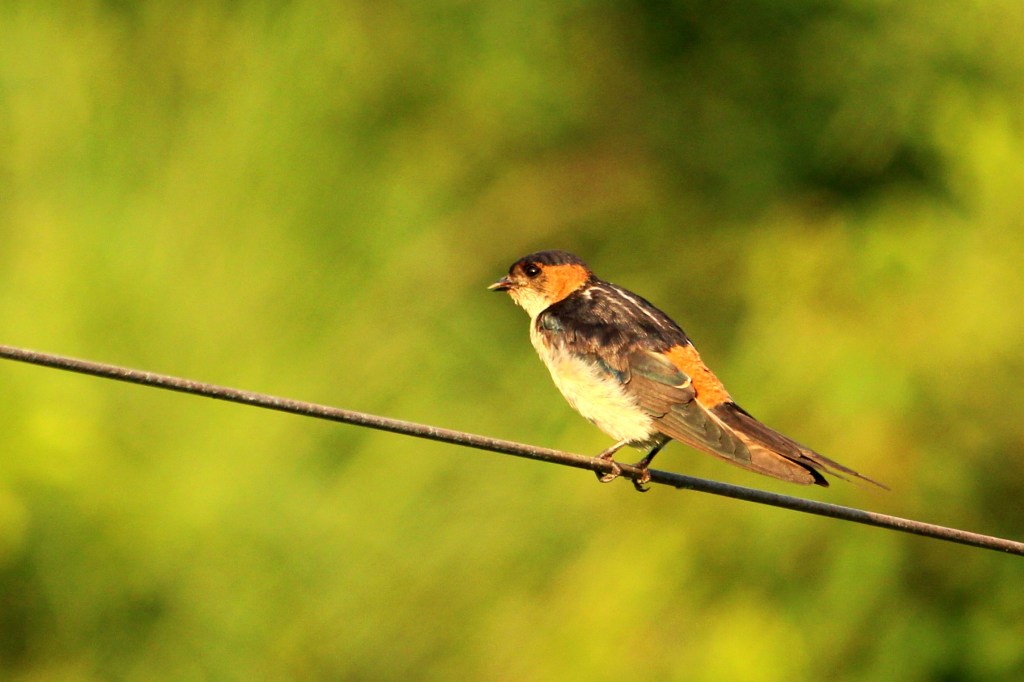
The Red-rumped Swallow stands out with its sleek, streamlined body and long, pointed wings. During the breeding season, the males display a vibrant red rump that contrasts sharply with their blue-black upperparts and white underparts. These swallows are often seen darting acrobatically through the air, feeding on insects caught in flight.
9. Indian Paradise Flycatcher
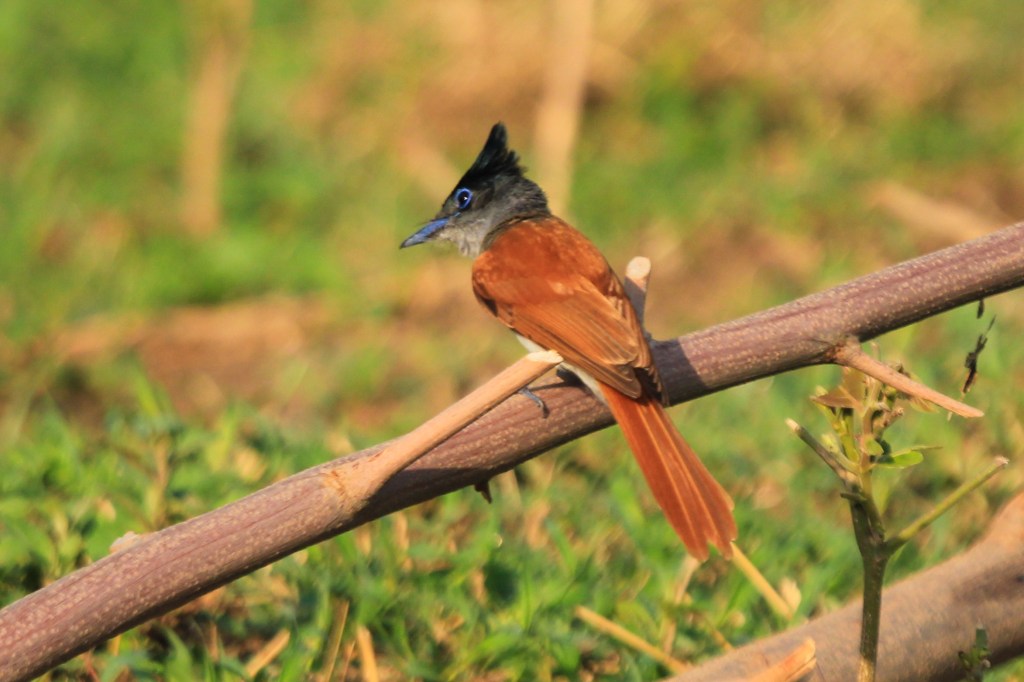
The Indian Paradise Flycatcher is renowned for its ethereal beauty and graceful demeanour. The male, with its long, flowing central tail feathers and stunning white plumage contrasted by a glossy black head and neck, captivates during the breeding season. The female and non-breeding male possess a subtle elegance with shorter tails and soft greyish-brown plumage.
10. Rock Bunting
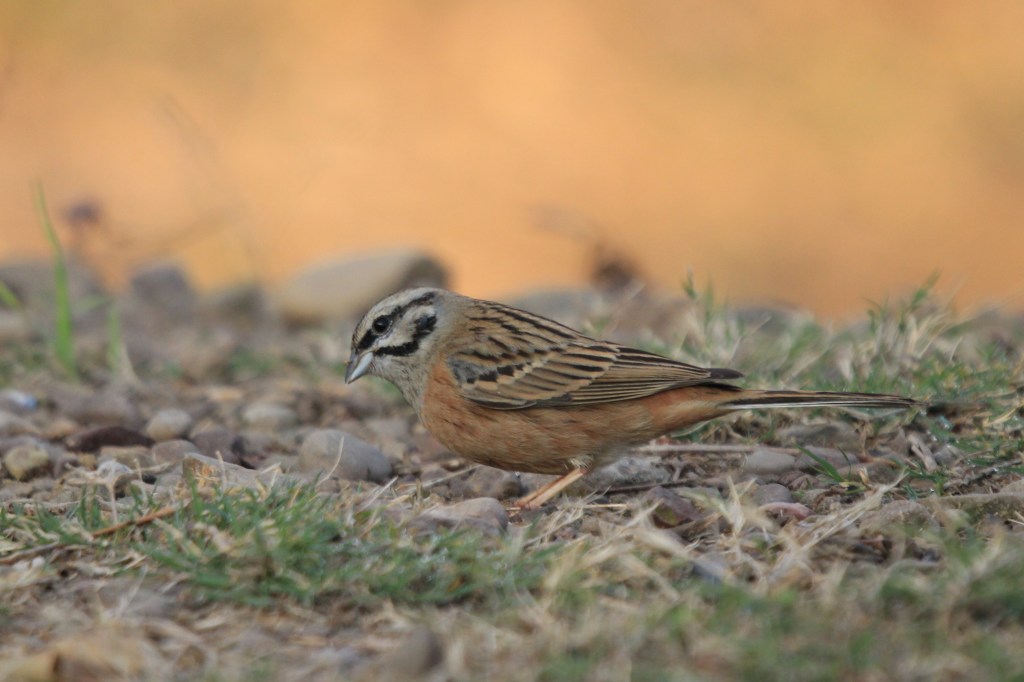
The Rock Bunting exhibits sexual dimorphism, with the male boasting chestnut upperparts and deep buff underparts, and a striking pale grey head adorned with black striping during the breeding season. The female presents a more subdued appearance with paler underparts, a grey-brown back, and a less pronounced contrast on the head. Juveniles resemble the female but feature a streaked head.
Encountering these birds in Village Thapli is a rare privilege that highlights the beauty and fragility of our natural world. It underscores the importance of conservation efforts to protect these exquisite species and their habitats for future generations. Whether you are a seasoned birder or a curious beginner, the serene landscapes and rich biodiversity of Thapli promise an unforgettable birding experience. So pack your binoculars, field guide, camera, and a sense of adventure, and set out to explore the avian wonders of this charming area.
Happy Birding
 naturetrail
excellent! very informative 👍
LikeLike