There would hardly be anyone in the tricity who loves birding and hasn’t heard of Mote Majra. This quiet village in the Mohali district of Punjab transforms into a vibrant paradise every winter, when avian guests arrive from far-off lands to spend the season here. Birders from Chandigarh, Mohali, Panchkula, and even distant towns of Punjab flock to this wetland — especially on winter weekends — drawn by the promise of rare sightings and soothing natural beauty.
Even in summer, the resident birds keep visitors delighted. But from November to January, the landscape comes alive. For nature lovers, these are the most awaited months — a grand celebration of migration, resilience, and the timeless rhythm of seasons.
On my recent winter visits, the magical transformation had already begun. The once-calm blue water now shimmered with life, movement, and colours. Hundreds of migratory birds had arrived, reclaiming their seasonal refuge. The sky too had become a vast blue canvas, with birds slicing across it like brushstrokes in motion.
Bar-headed Geese, Gadwalls, Common Pochards, Northern Shovelers, Brahminy Ducks, Common Teals, Redshanks, Common Snipes, Little Ringed Plovers, White-tailed Lapwings, Great Cormorants, Western Marsh Harriers, and many more. Each species added its own grace, turning the wetland into a breath-taking mosaic of feathers, ripples, and calls.
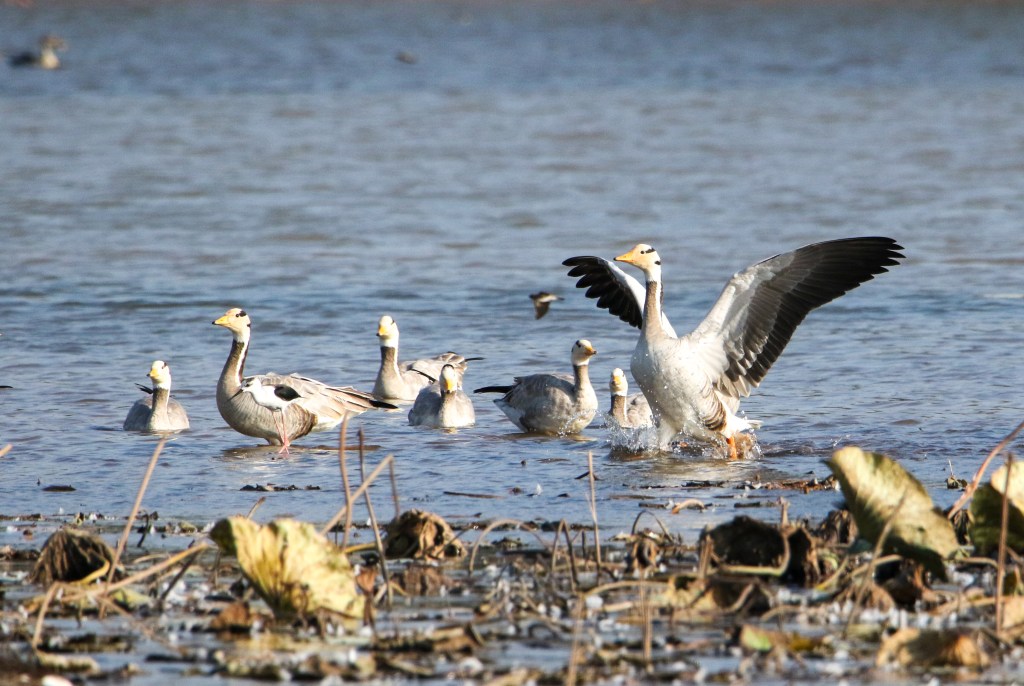
The moment I stepped out of my car, a flock of Bar-headed Geese welcomed me — one bird stretching its wings wide as though posing for the perfect shot. I captured it instantly.
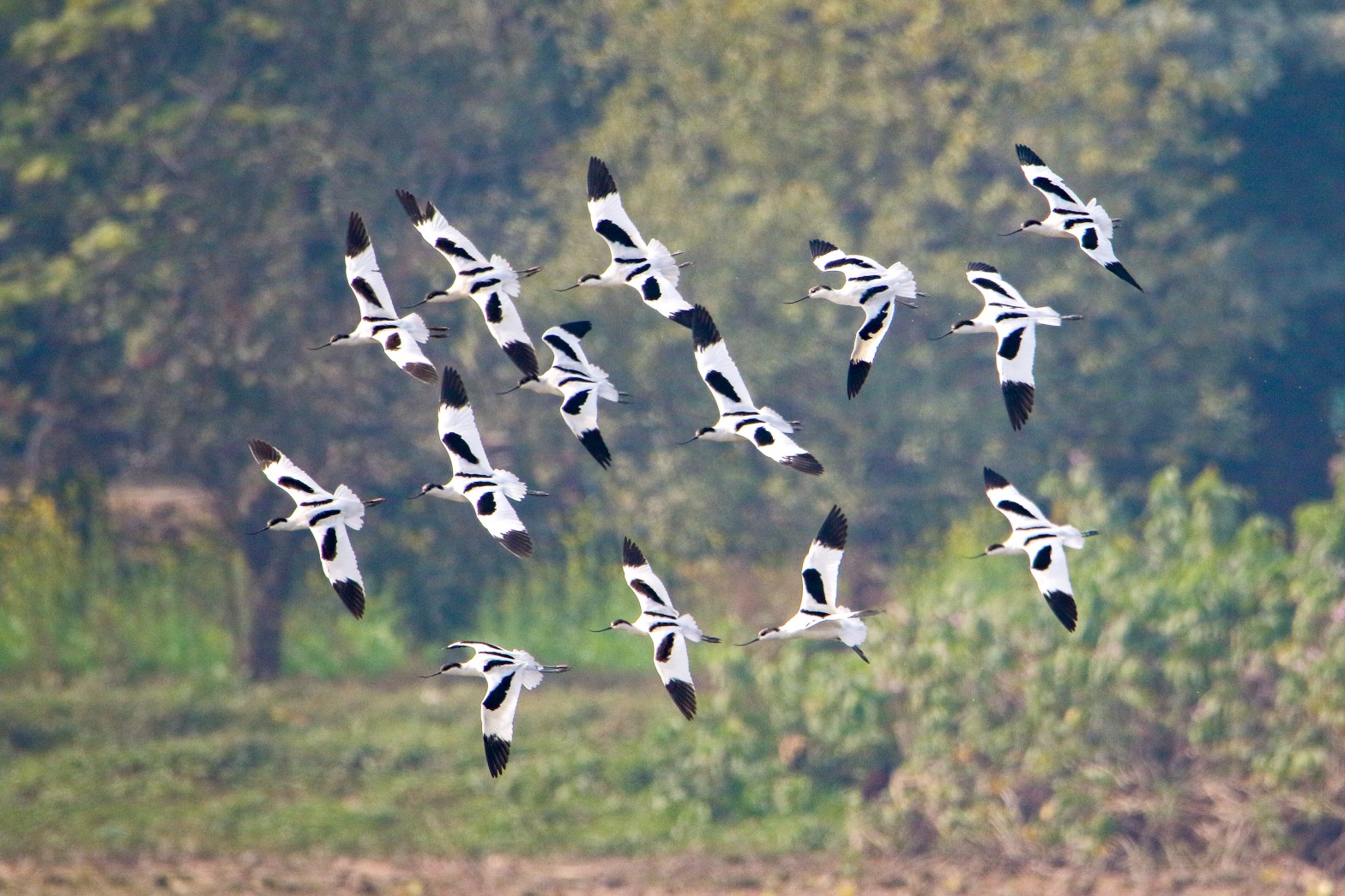
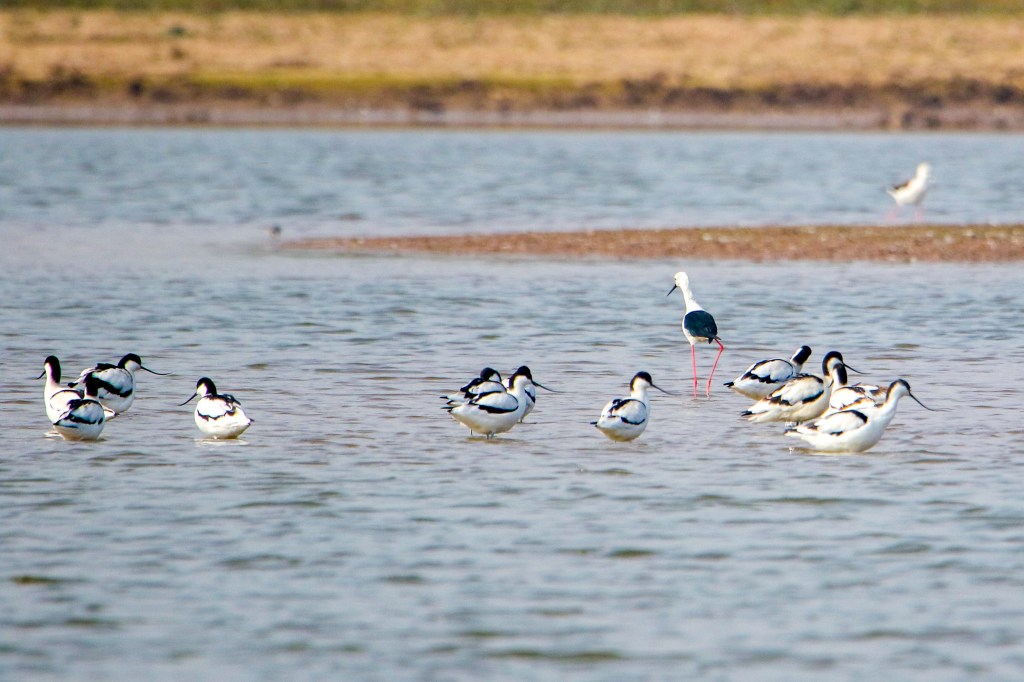
Moments later, a flock of Pied Avocets, with their elegant upturned bills and striking contrast of black and white, soared across the lake. Their synchronized flight painted the sky with unmatched grace.
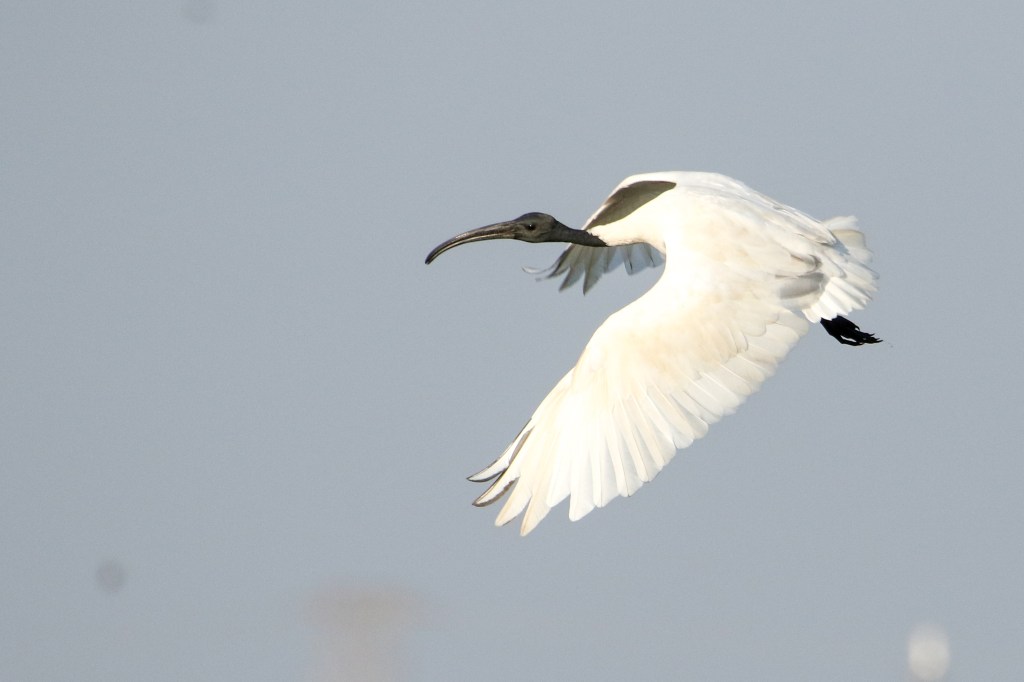
A Black-headed Ibis glided across my camera frame — almost intentionally — gifting me a clean shot with the blue sky as backdrop.
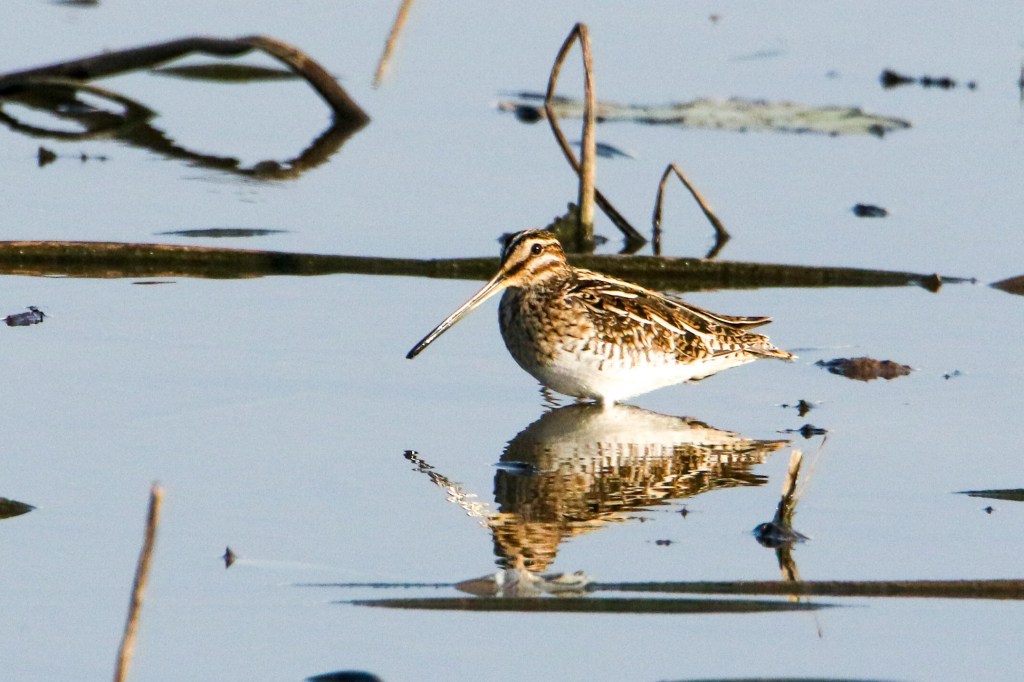
I then moved to the far end of the water body in search of last year’s shy favorites — the Common Snipes. After nearly 15 minutes of scanning the mud and reeds, I finally spotted around six of them. Their camouflage was perfect, but with patience I managed several good shots, selecting only the best for my records.
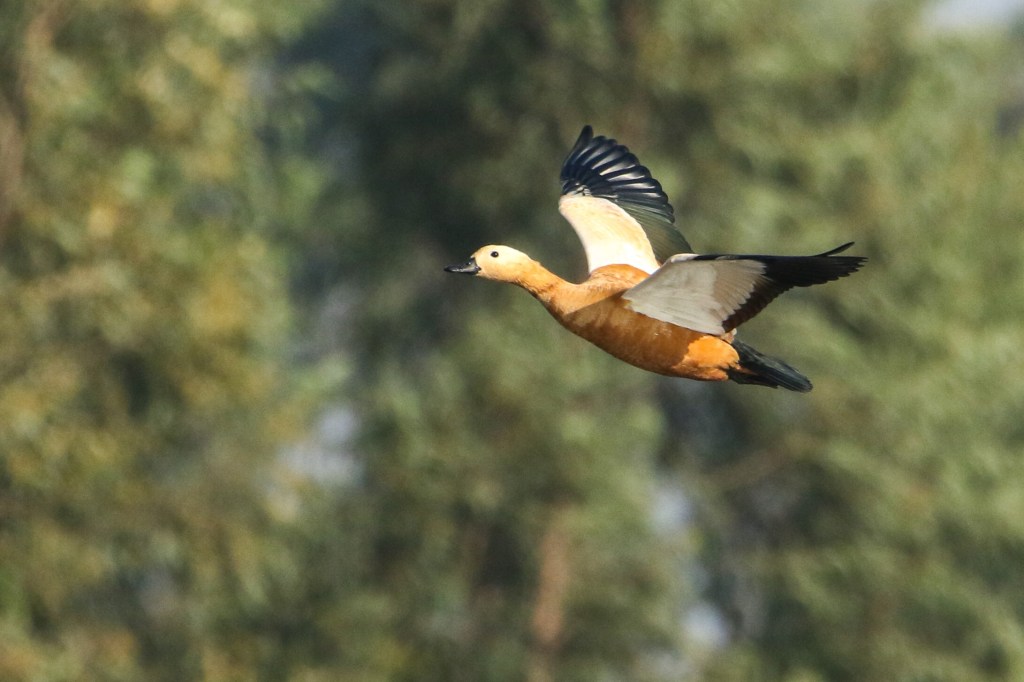
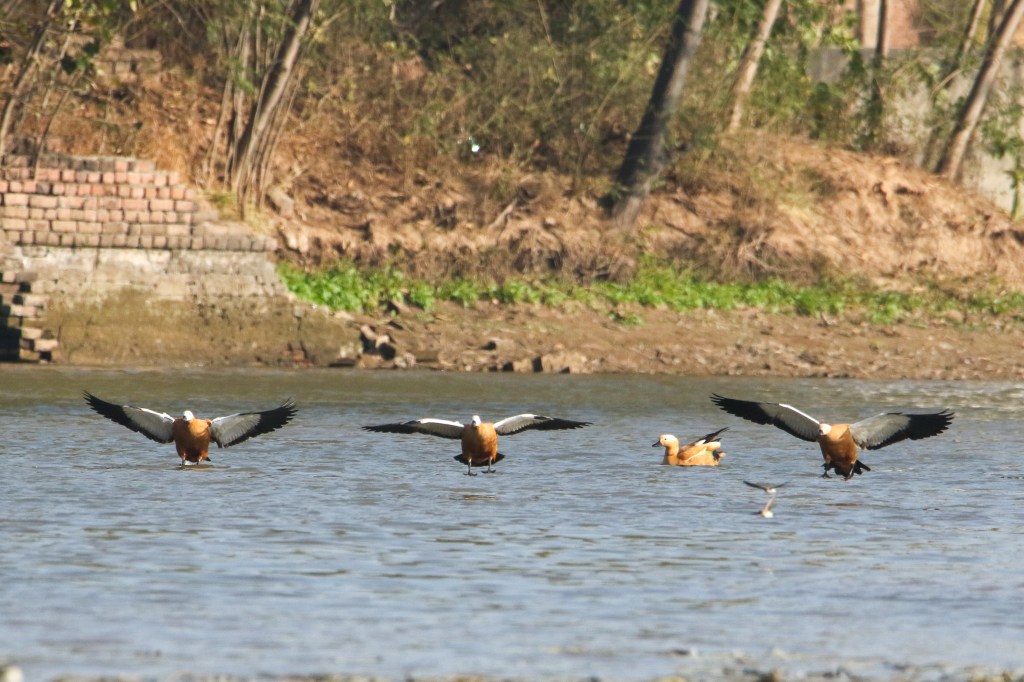
A flock of four Ruddy Shelducks — glowing in warm orange tones — came into focus, paddling gracefully before taking short flights across the water.
A lone White-tailed Lapwing, one of the rarer winter waders, stood quietly nearby. These birds are tricky to spot among other waders, but unmistakable once recognized.

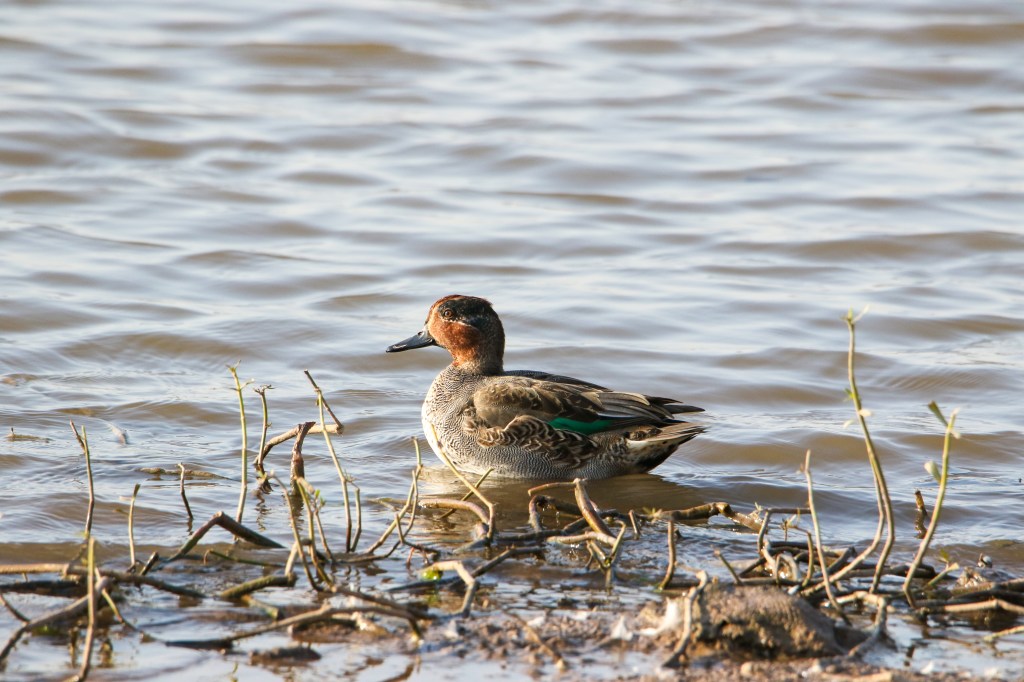
On one corner of the pond, a Green-winged Teal was enjoying the sunlight. Without disturbing it, I captured a clean shot with my 600mm lens.
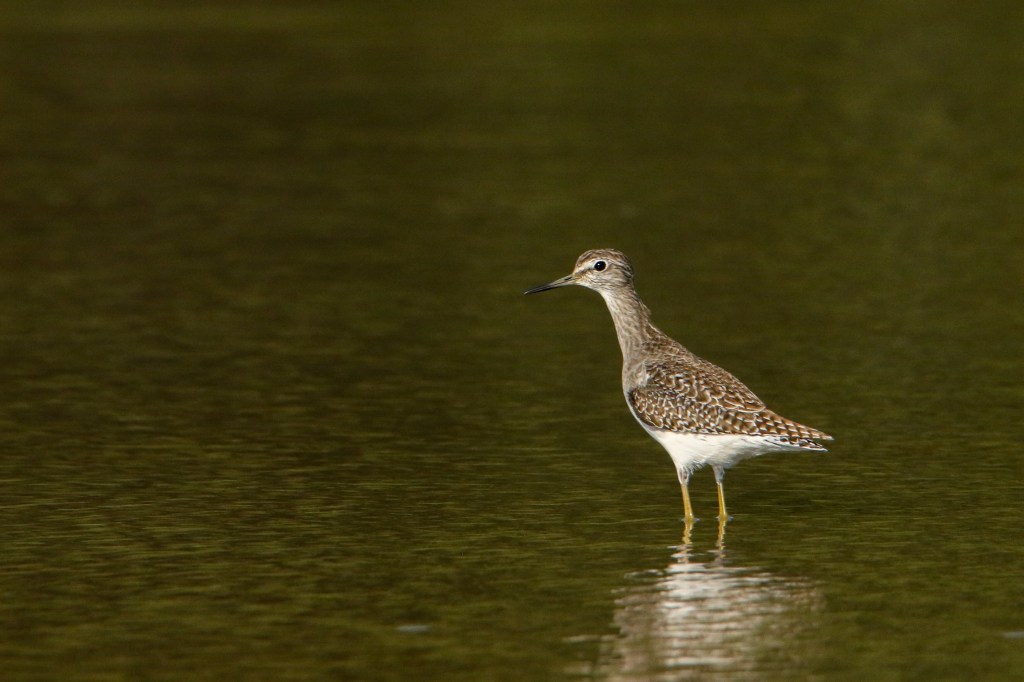
The Wood Sandpiper offered a beautiful frame against a lush green backdrop.
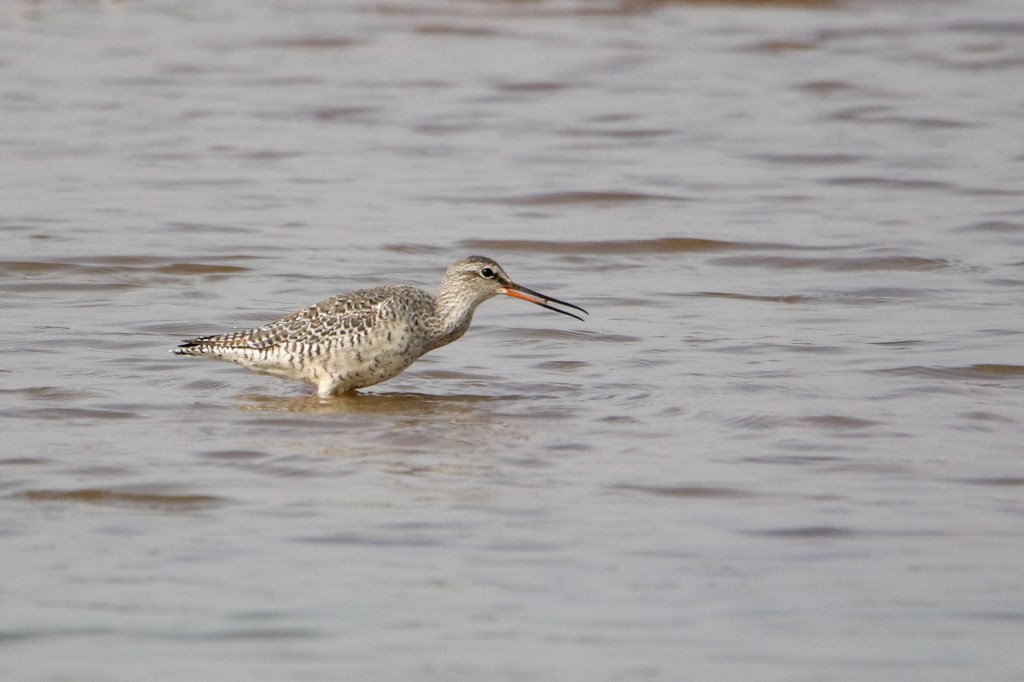
Spotted Redshanks, present in good numbers this year and easily noticeable with their long red legs, obliged with some splendid shots.
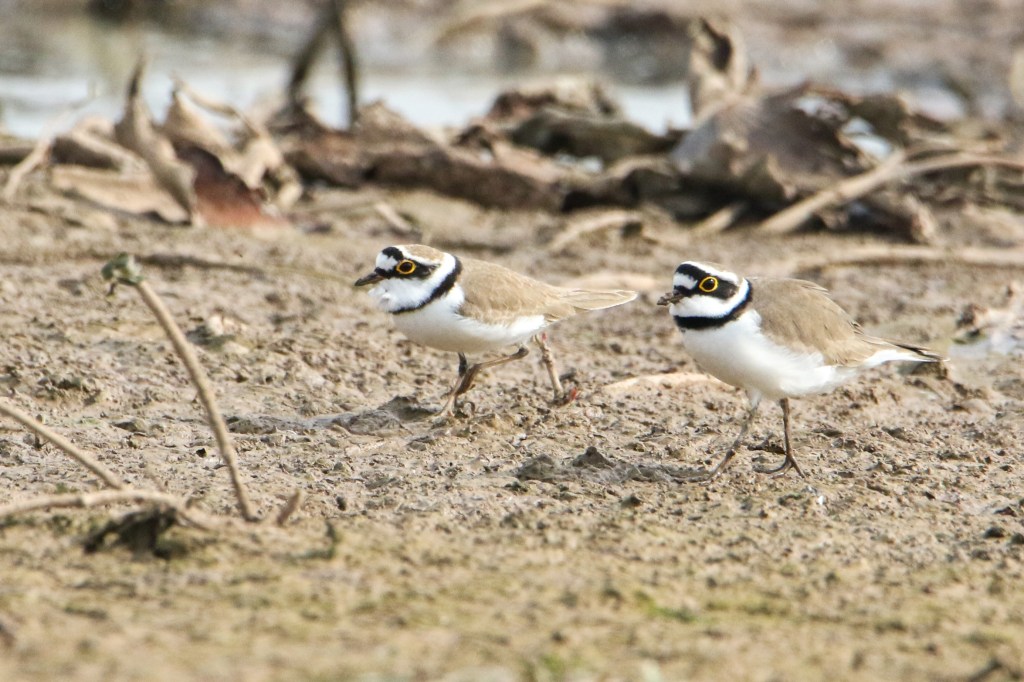
The presence of a pair of Little Ringed Plovers made my day — a long-awaited dream come true.
Among the many winter visitors, the arrival of Gadwalls, Northern Shovelers, and Common Pochards added a special charm to the wetland. These hardy migrants travel thousands of kilometres to escape the harsh northern winters, and seeing them here — safe, calm, and thriving — is always a heart-warming sight. Some were paddling gently across the mirror-like water, creating soft ripples behind them, while others took short flights across the sky, their wings catching the morning light. Together, they brought a sense of movement and harmony to the lake, reminding me once again how incredible these long-distance travelers truly are.
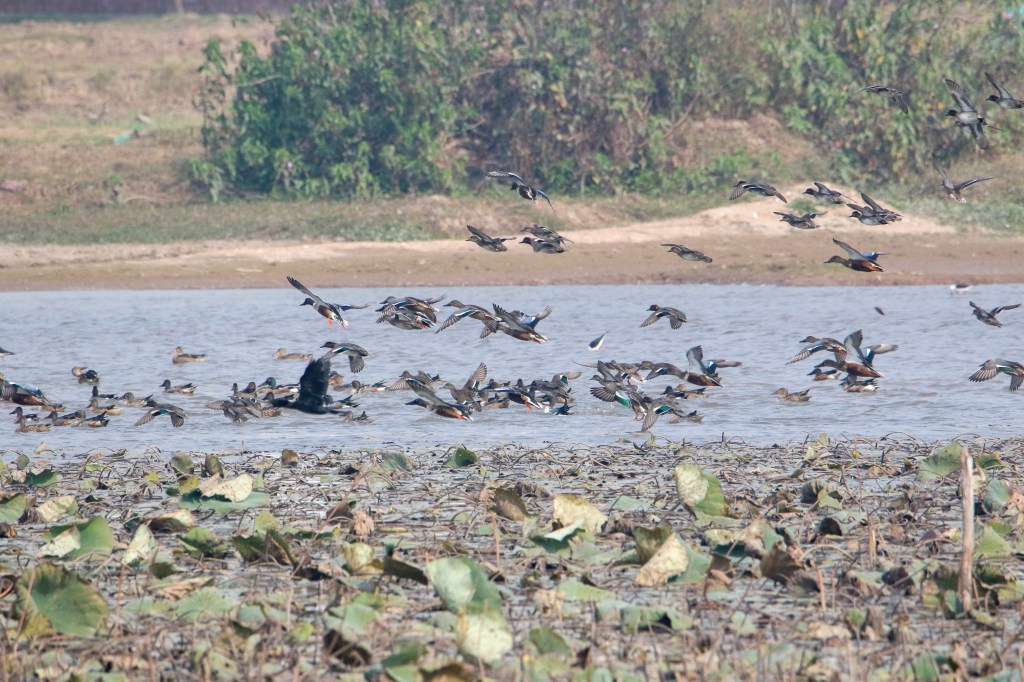
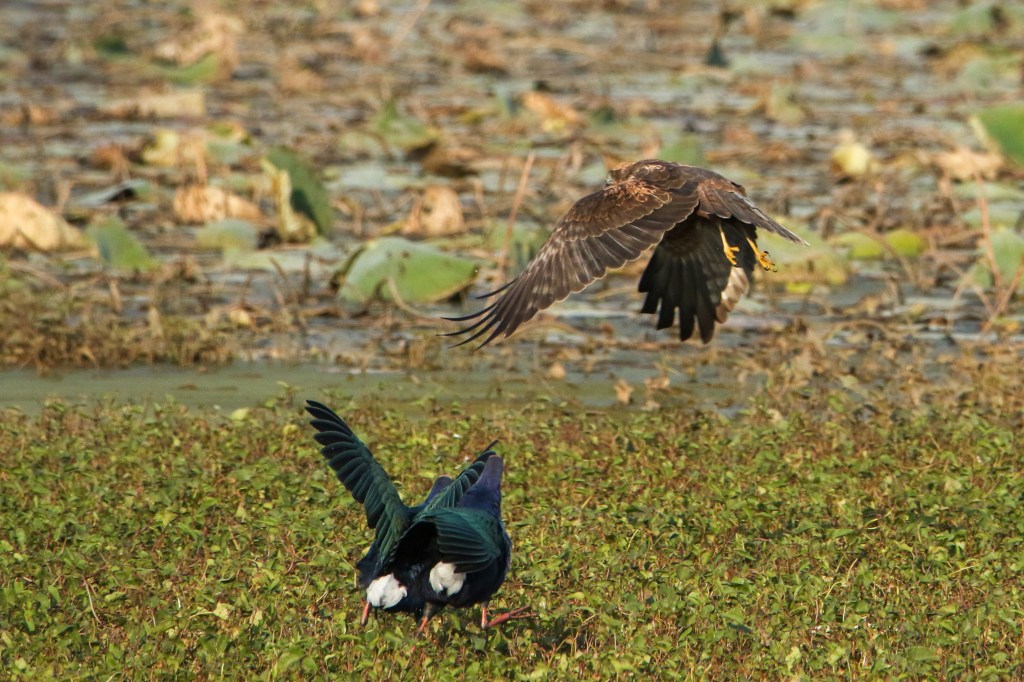
As I continued scanning the wetland, a sudden ripple of alertness passed through the ducks and waders. Looking up, I spotted the Western Marsh Harrier gracefully circling above the lake. With its broad wings and low, gliding flight, the raptor was clearly testing its hunting skills, weaving silently over the reeds and water. Its presence added a touch of wild drama to the peaceful morning — a reminder that every wetland is also a stage where predator and prey share the same space, keeping the ecosystem in perfect balance.
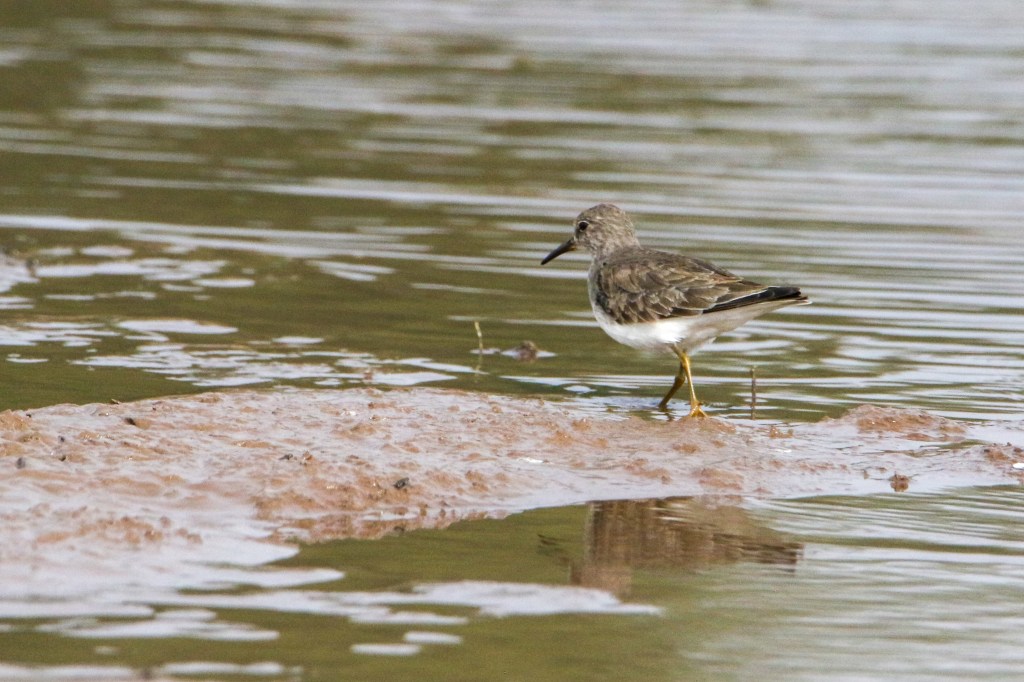
Then came a delightful surprise — a solitary Temminck’s Stint, a tiny shorebird that often prefers to keep apart from others. Its appearance added yet another layer of richness to the morning.
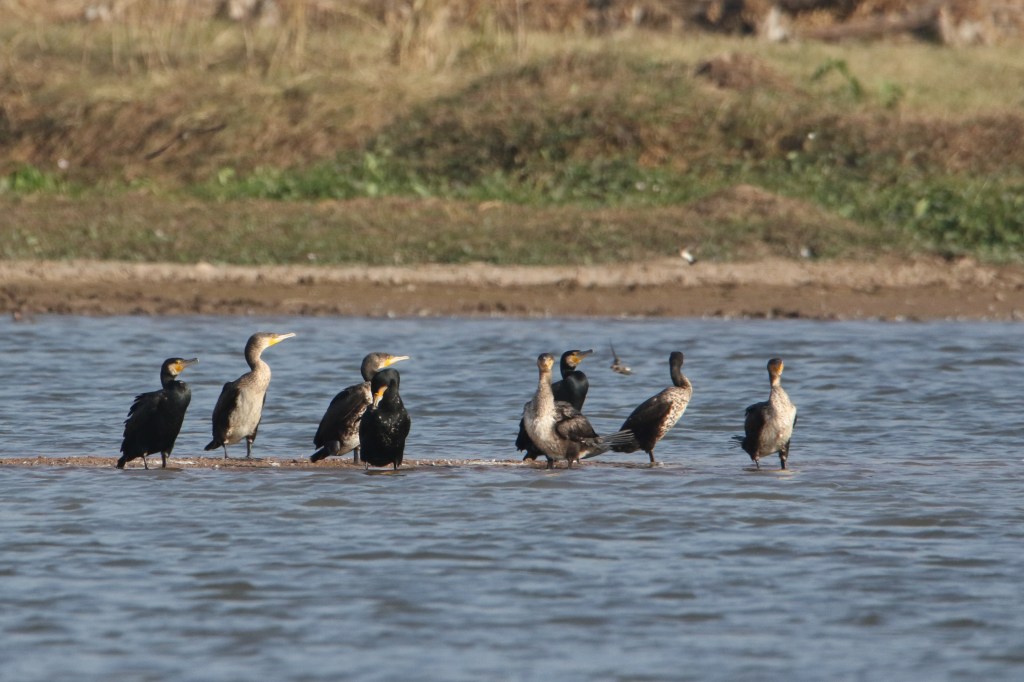
A flock of Great Cormorants was also watching all this activity.
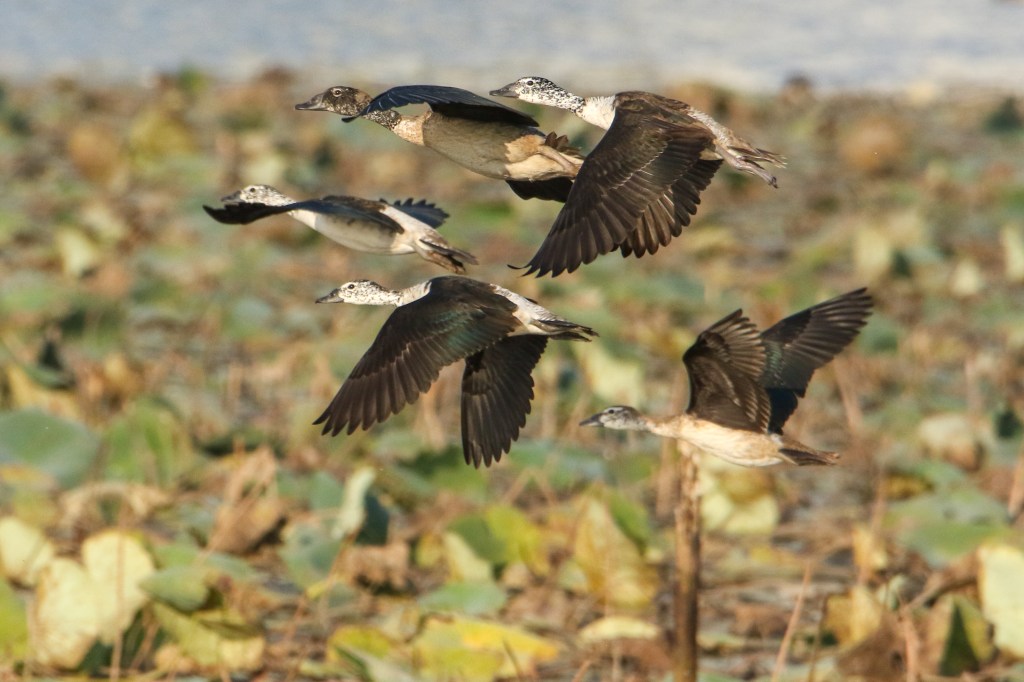
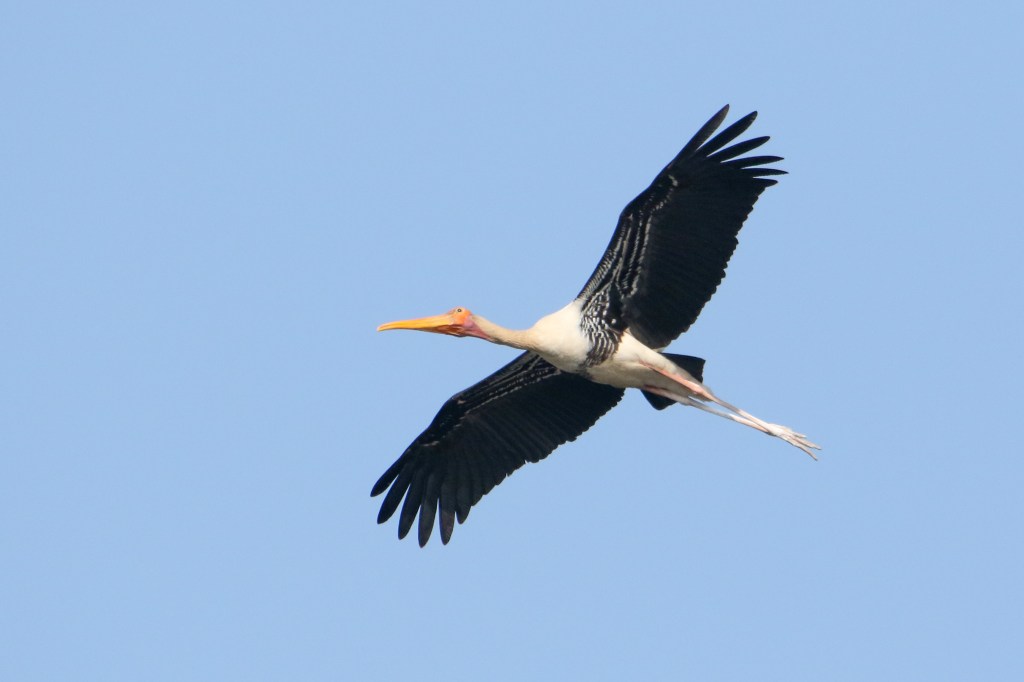
Amid the flurry of migrants, familiar residents like the Painted Stork, Purple Heron, Knob billed Ducks and various Egrets stood tall and elegant, enjoying the gentle winter sun. Their continued presence reminded me that Mote Majra is not only a temporary refuge for travelers but also a thriving home for local wildlife.
Amid all this splendor, a shadow looms large. Extensive construction work has begun around Mote Majra village. Several development projects are expanding rapidly, threatening the delicate wetland ecosystem. The habitats these migratory birds rely on — year after year — may soon be altered beyond recovery. If this continues unchecked, the annual return of our feathered guests may decline… and with it, a precious part of Mote Majra soul.
It is time for us — bird lovers, local communities, and authorities — to take collective responsibility. Development must continue, but not at the cost of ecological heritage.
 naturetrail