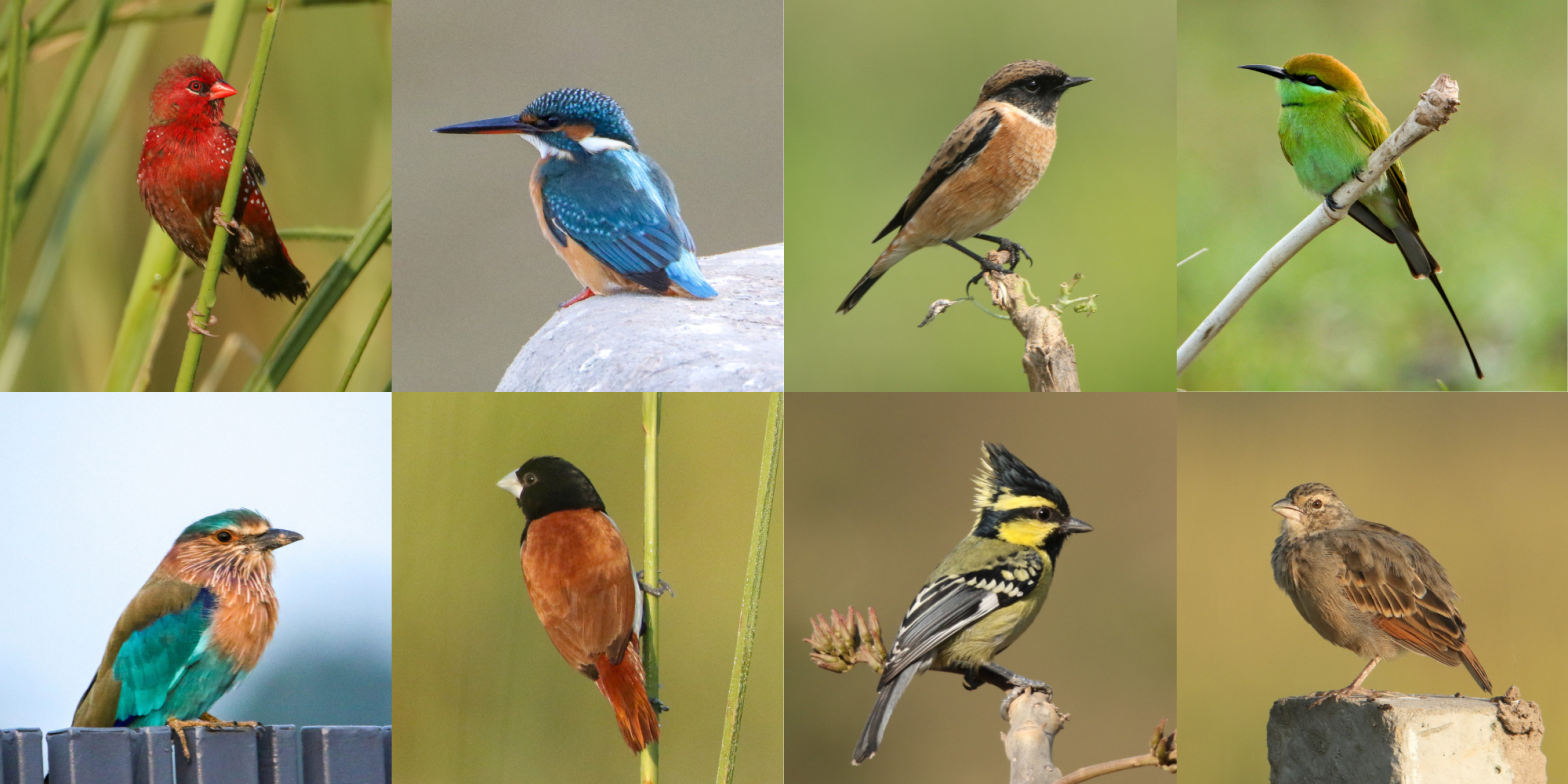
As the countdown to 2026 begins, it feels only natural to pause, reflect, and look back at the year that is about to pass. For someone like me, who has been into birding for the last six years, 2025 stands out as a truly memorable and rewarding chapter of this journey.
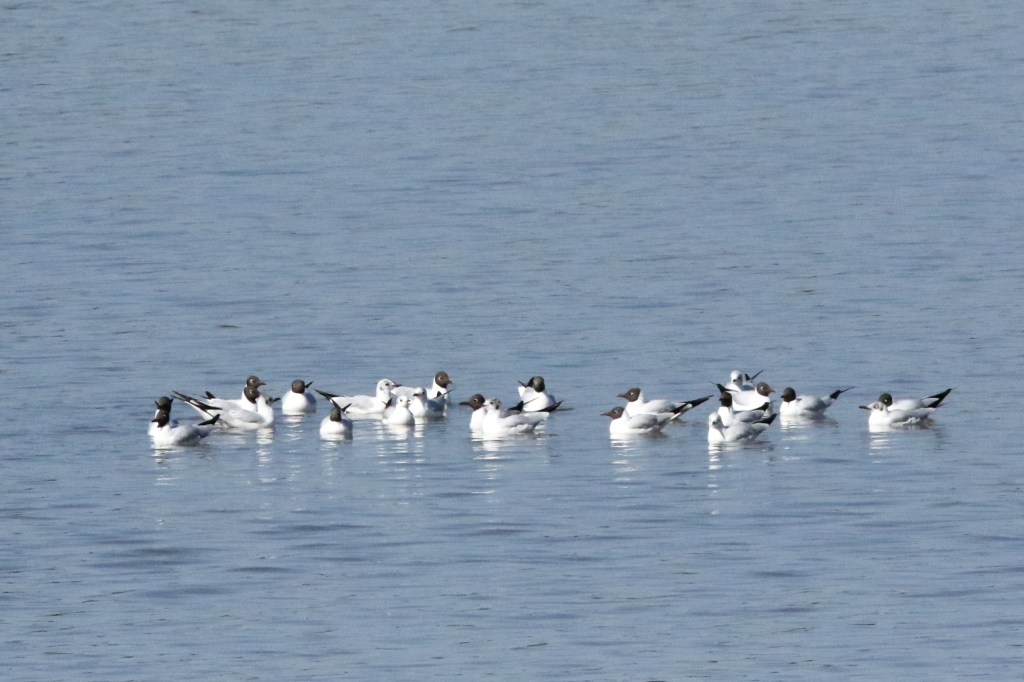
This year, I witnessed a side of Sukhna Lake that I had only heard about from senior birders—something I had never personally experienced before. There are seasons when one spends months scanning the water and sky, hoping to spot a handful of migratory birds—sometimes just two or three individuals of one or two species. But then, on one unforgettable day, the scene transformed beyond imagination.
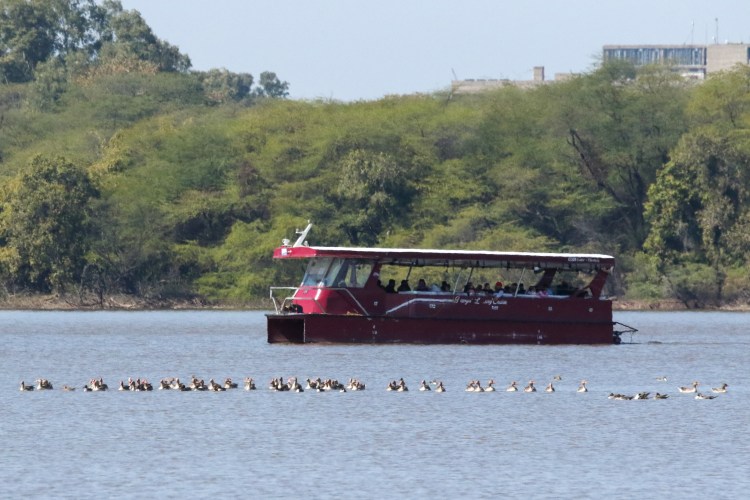
The lake seemed alive with Black-headed Gulls, Northern Pintails, Greylag Geese, Common Pochards, Great Cormorants, Pallas’s Gull and many more—so abundant that counting them felt harder than believing my own eyes.
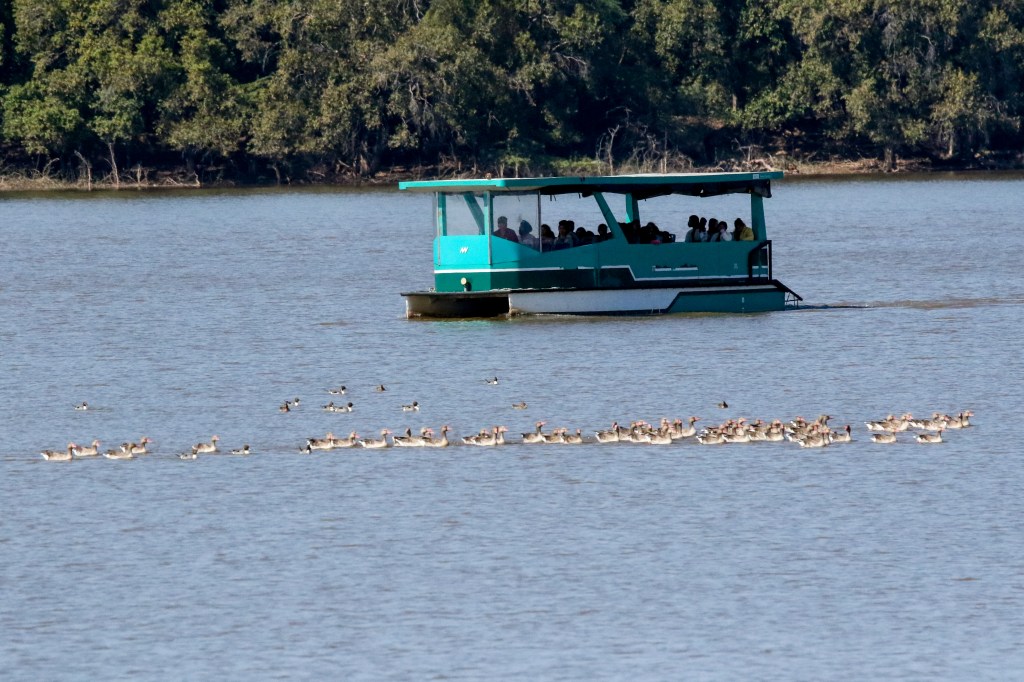
What made this experience even more special was the harmony captured in the frame—humans and wildlife sharing the same space, coexisting peacefully. Moments like these remind us why birding is not just a hobby, but a way of connecting with nature.
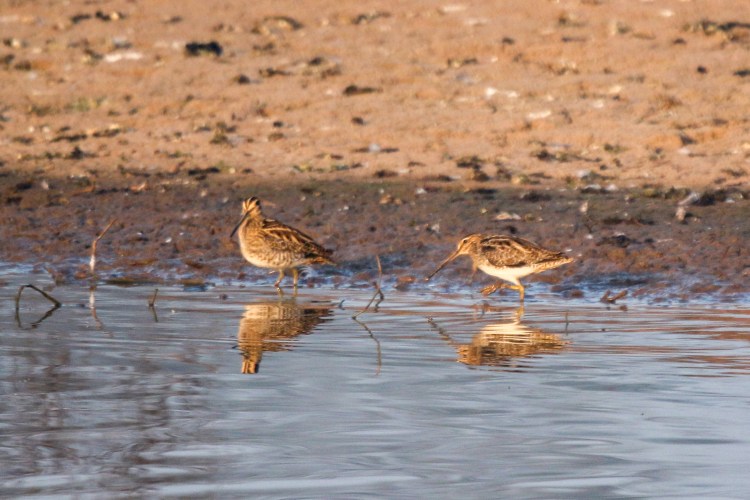
The year started on a promising note on 25th January 2025, with the sighting of my first lifer of the year—the Common Snipe—at Mote Mazra Village Pond. This sighting was more than just an addition to my checklist; it was a gentle reassurance that patience and persistence always pay off in birding. With this, my species count began its journey toward 315, a number I am deeply grateful for.
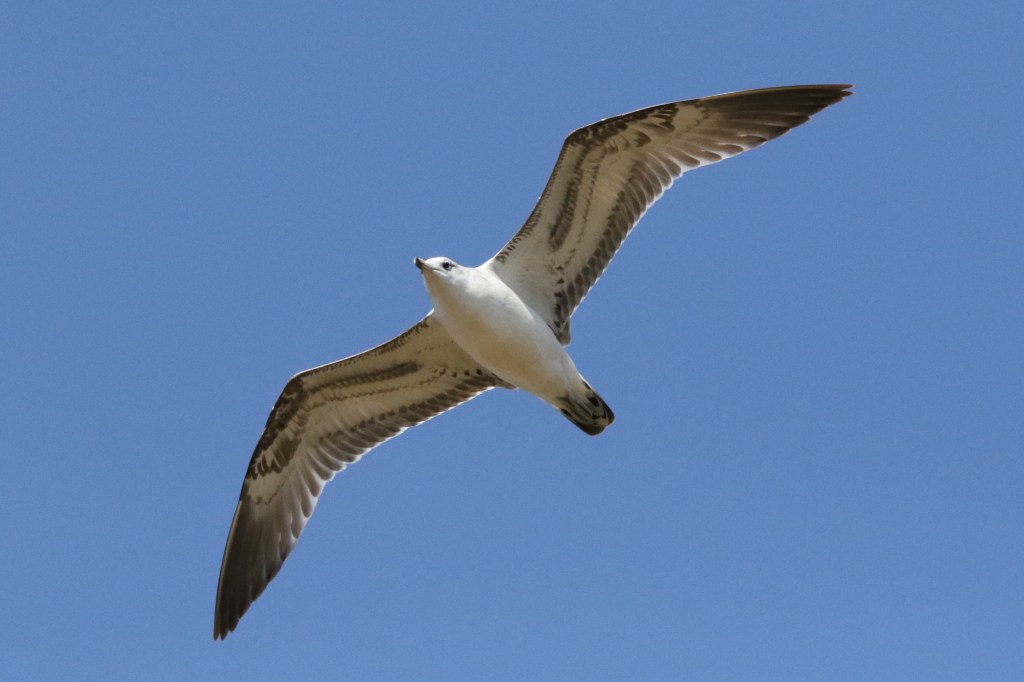
The following months tested that patience. Although I managed many satisfying photographs of already-recorded species, no new lifers came my way for nearly seven months. Still, hope remained alive—and eventually, it delivered beyond expectations.
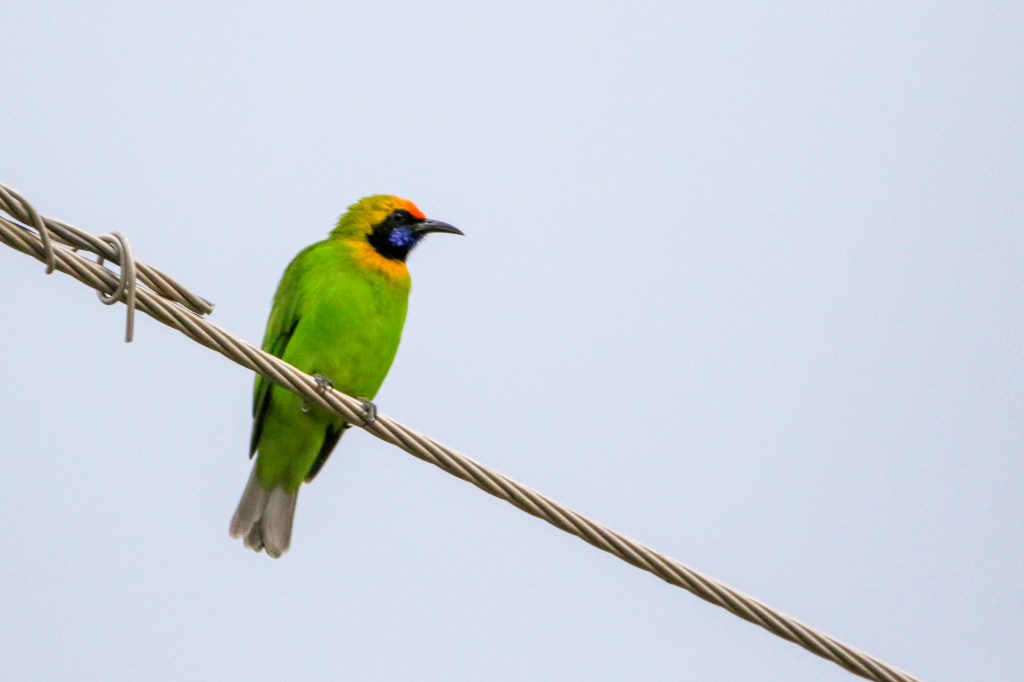
On 16th September 2025, birding rewarded me generously. I added not just a lifer to my personal list, but also a new species for my city—the Golden-fronted Leafbird. Spotting this bird near Sukhna Lake was an unforgettable moment and instantly rekindled my enthusiasm.
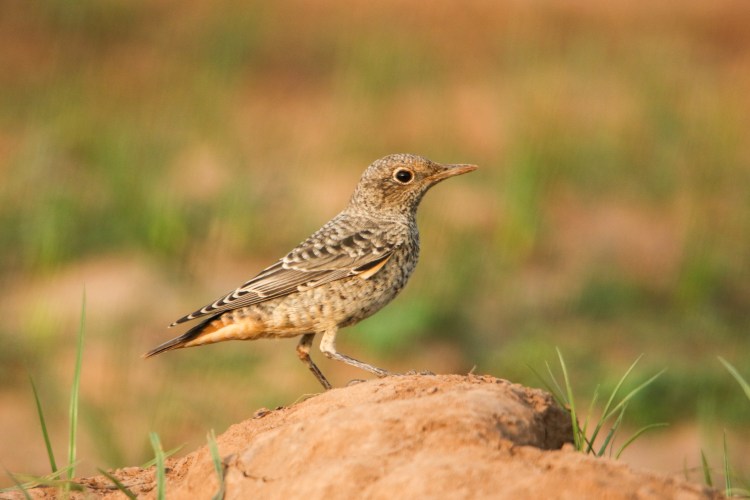
Before the excitement could even settle, nature surprised me once again. Near Sukhna Lake, I spotted another lifer—the Rufous-tailed Rock Thrush. Two lifers in such quick succession made September one of the most thrilling months of my birding life.
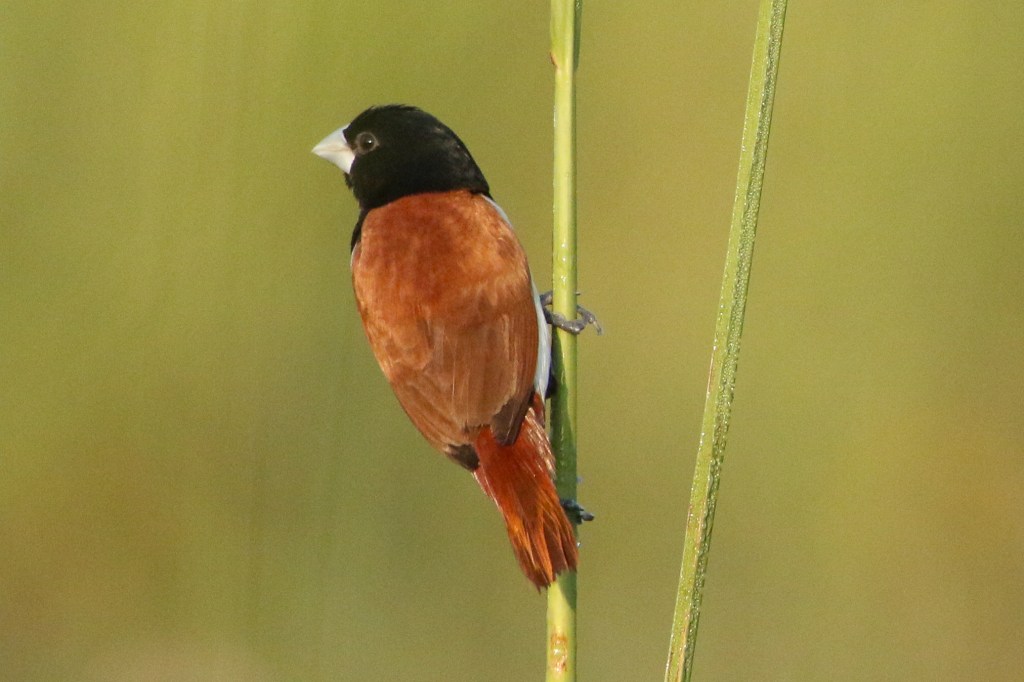
For many years, the Tricolored Munia had remained an elusive dream. Repeated attempts ended in disappointment—until 2025 decided otherwise. With renewed hope, I tried again and was finally rewarded with beautiful sightings and photographs at Jawaharpur. This became my fourth lifer of the year and one of the most emotionally satisfying moments of the season.
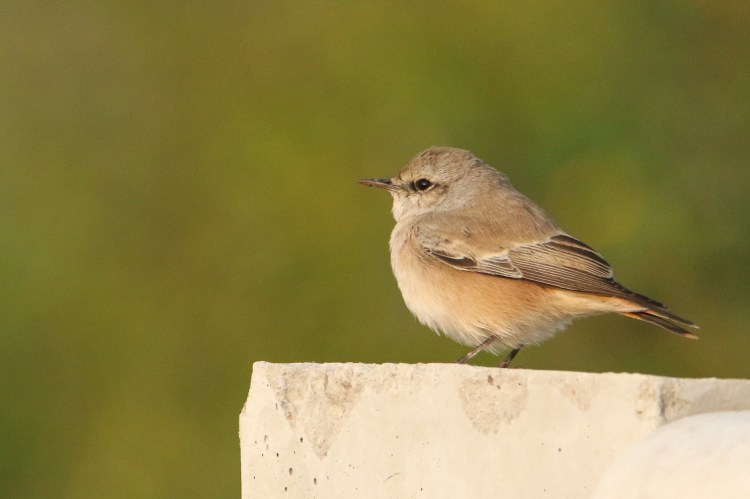
The good run continued. On 2nd November, I recorded my fifth lifer, the Isabelline Wheatear, once again near Sukhna Lake. And as if the year wanted to end on a high note, 29th November brought my sixth and final lifer of 2025—the Spotted Redshank—during a routine visit to Mote Mazra.
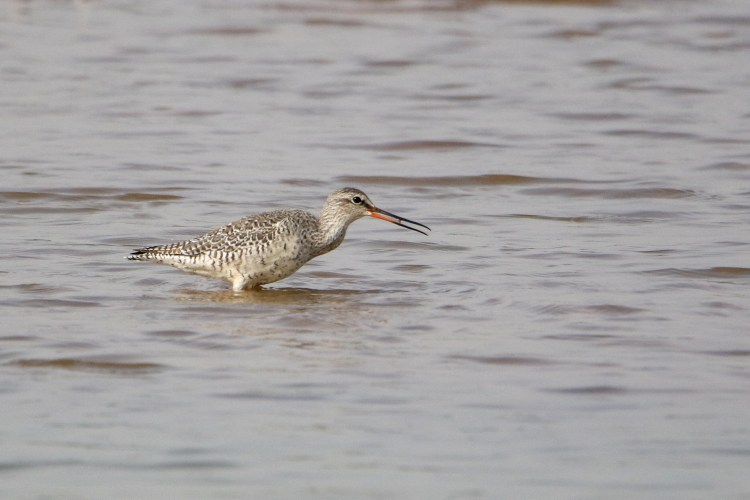
Six lifers in a year, taking my total to 315 species, made 2025 truly special.

Beyond sightings and photographs, 2025 also brought meaningful recognition. Early in the year, the leading newspaper Dainik Bhaskar published my bird calendar featuring 12 photographs of birds from Chandigarh—a proud moment for any nature photographer.
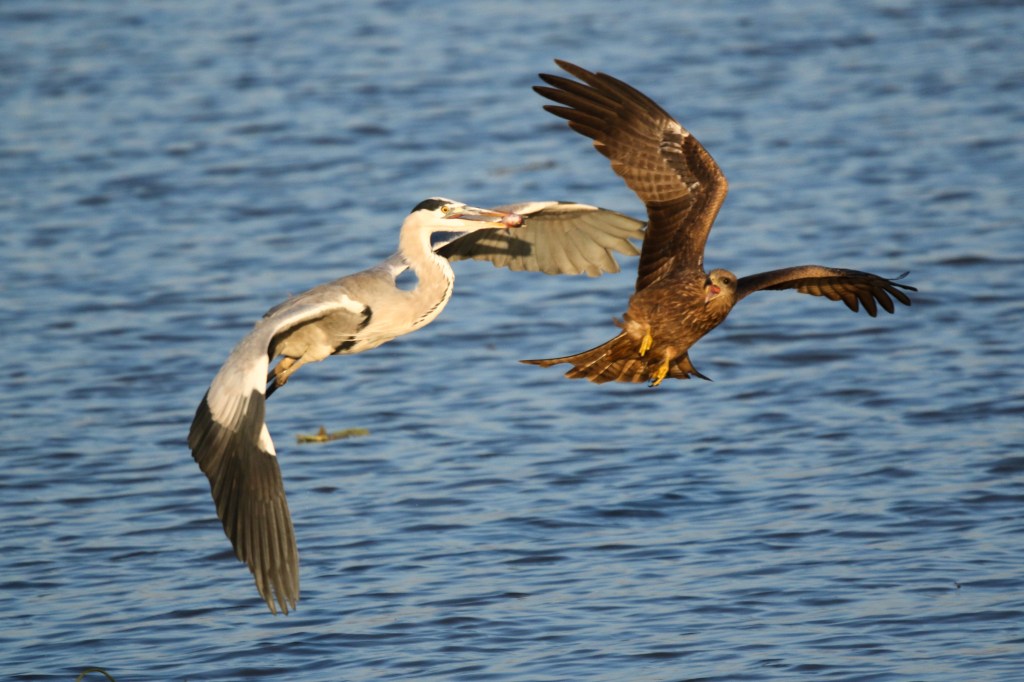
On 12th January, one of my photographs of a Grey Heron at Sukhna Lake was featured in the 671st Sunday Wildbuzz column of Hindustan Times, beautifully written by renowned columnist Vikramjit Singh.
The recognition continued:
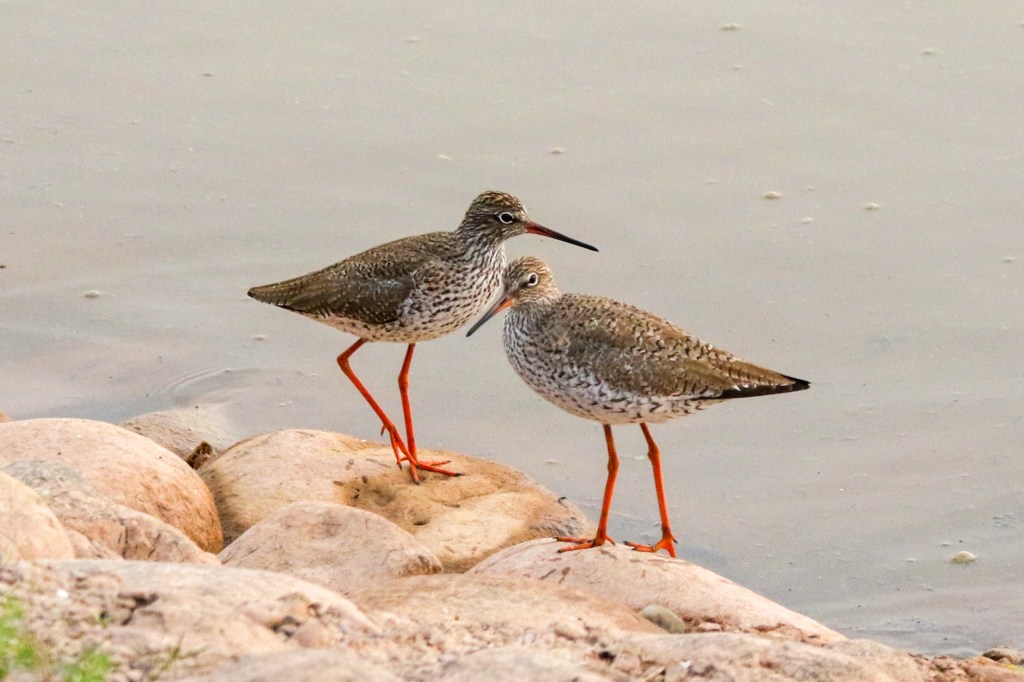
On 11th March 2025: A sighting of a triplet of Common Redshanks at Sukhna Lake featured in the 680th Sunday Wildbuzz column. On 21st September 2025: The Golden-fronted Leafbird sighting—significant for both me and the Tricity—was covered in the 707th Sunday Wildbuzz column.
These moments reinforced my belief that careful documentation and ethical birding play an important role in conservation awareness.
While 2025 brought joy and fulfillment, it also raised serious concerns. Large-scale construction activities have already begun near Sukhna Lake on the Suketri side and around Mote Mazra Village Pond. These wetlands have supported resident and migratory birds for decades—long before we became part of this landscape.
As we step into 2026, my hope is simple yet urgent: that we, as citizens and nature lovers, take collective responsibility to preserve our natural heritage. Protecting wetlands, ensuring clean air, and safeguarding open spaces is not just for birds—it is for our own survival.
We are nothing without nature. And birding, for me, is not just about adding names to a list; it is about bearing witness, sharing stories, and standing up for the fragile ecosystems that give us so much in return.
Here’s to a more aware, responsible, and bird-friendly 2026.
 naturetrail