Traveling to Ladakh is all about filling your diaries with chapters full of experiences. Beautiful beyond imagination, Ladakh is mostly known for its Landscapes, Lakes, Monasteries, Sand Dunes ,Nubra Valley and high mountain passes. But there is one other corner which sometimes remain unfocussed is the flora and fauna of Leh Ladakh. I was on a family trip to Leh Ladakh in the month of September 2022 and feeling lucky to be able to cover a part of Wildlife with limited time through my 100-400 lens, which I am going to share.
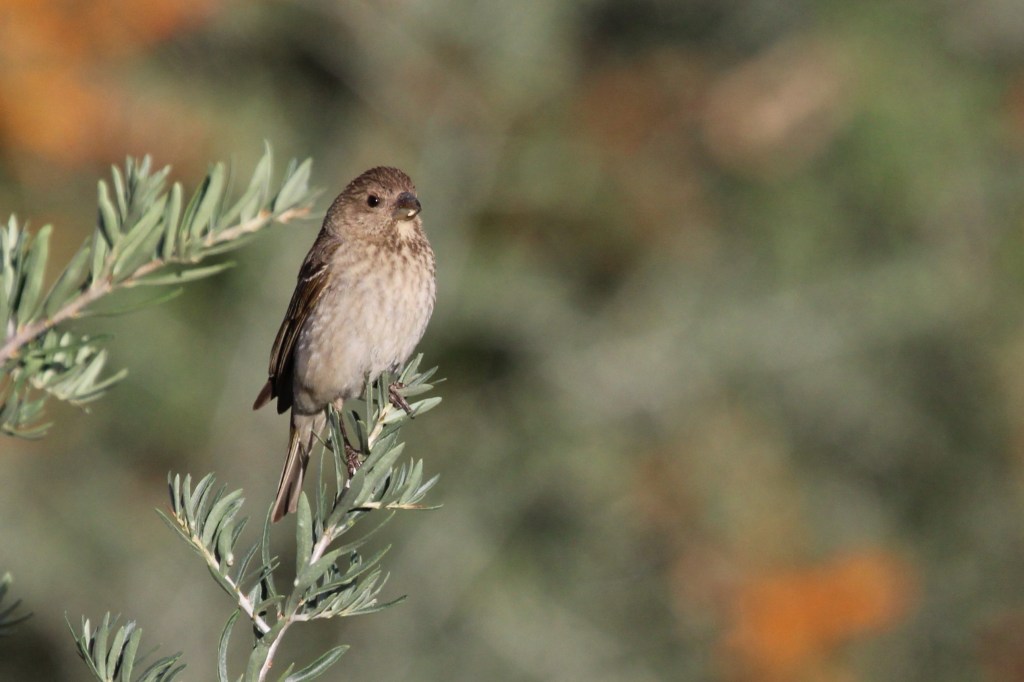
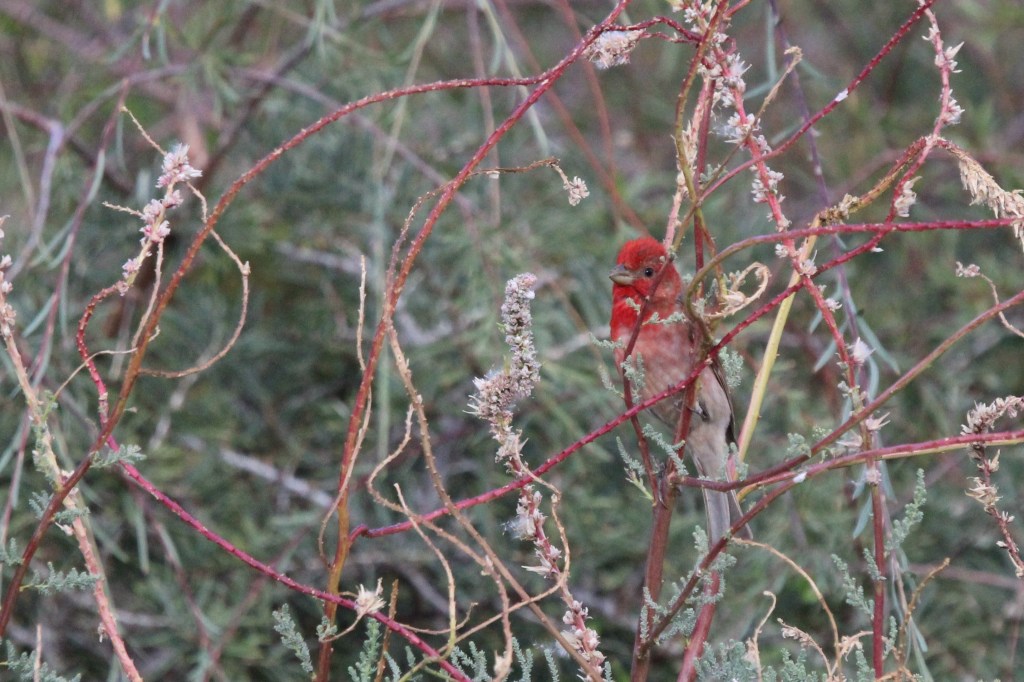
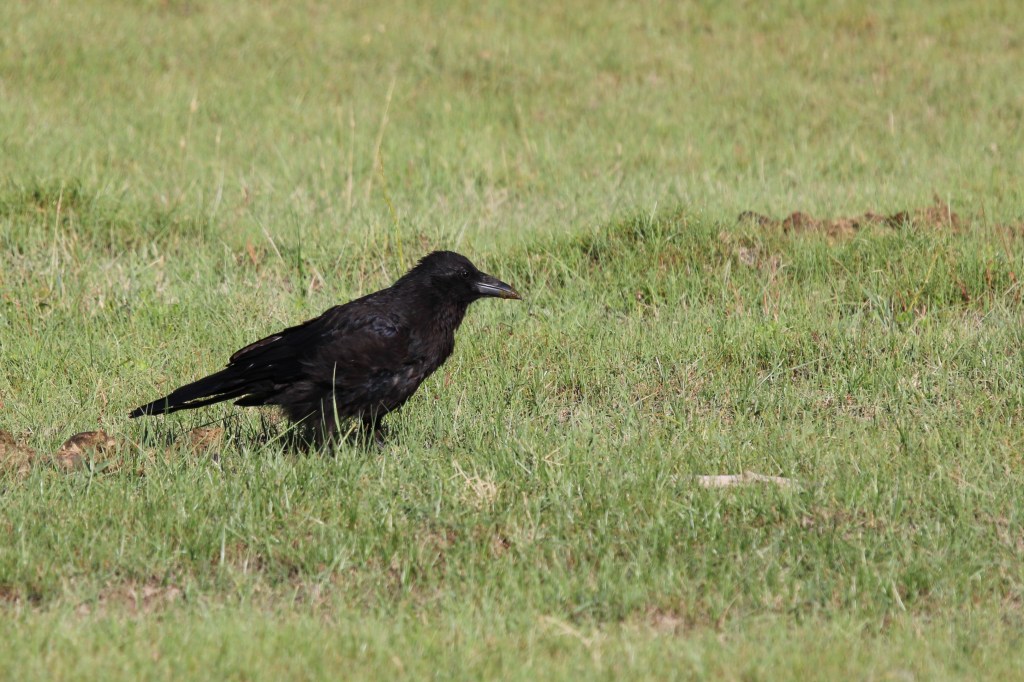
Our first day was completely at the hotel to acclimatize with the high altitude. On Second day, I spent one and a half hour with my local friend early morning trying to catch some local birds at leh. The start was good, and we spotted about 8 species including one lifer. We spotted Mallard, Oriental Turtle Dove, Eurasian Hoopoe, Carrion Crow, Mountain Chiffchaff, House Sparrow, Citrine Wagtail and Common Rosefinch.
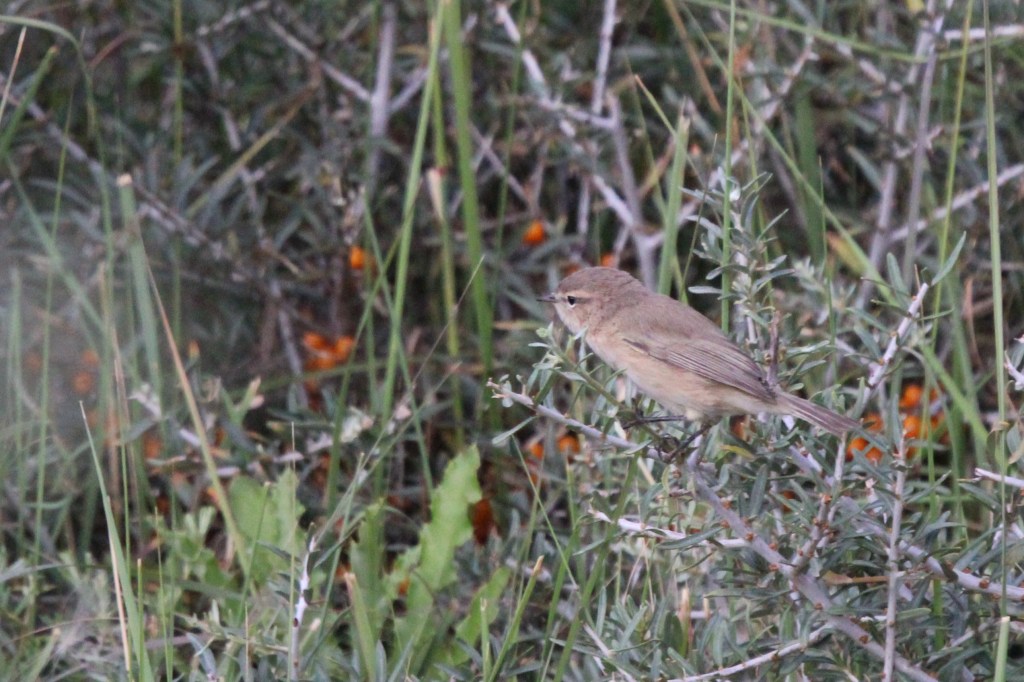
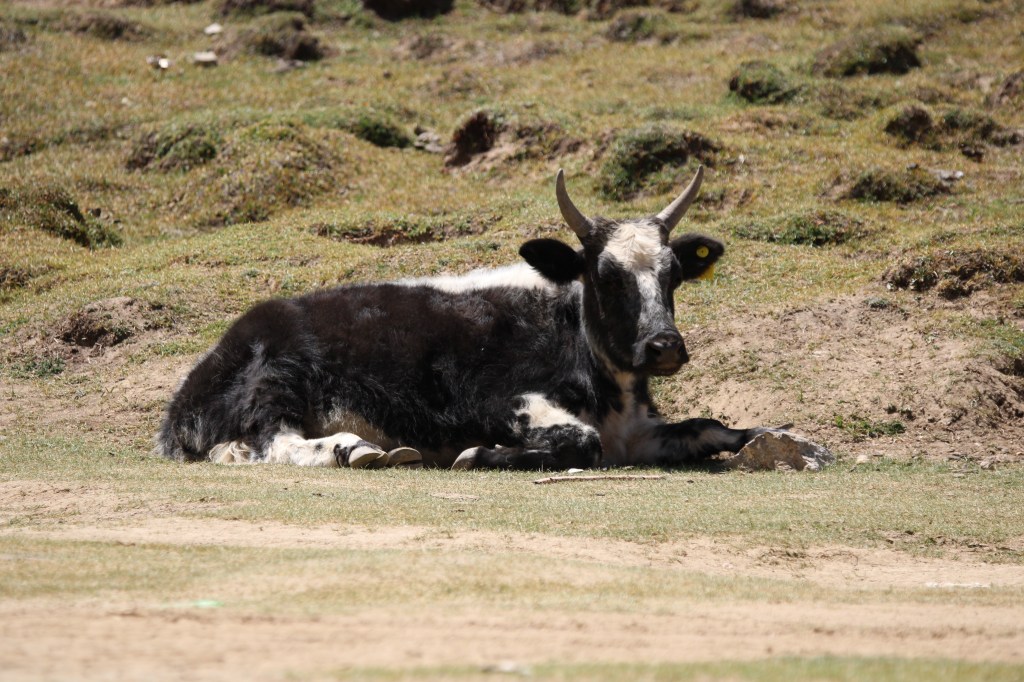
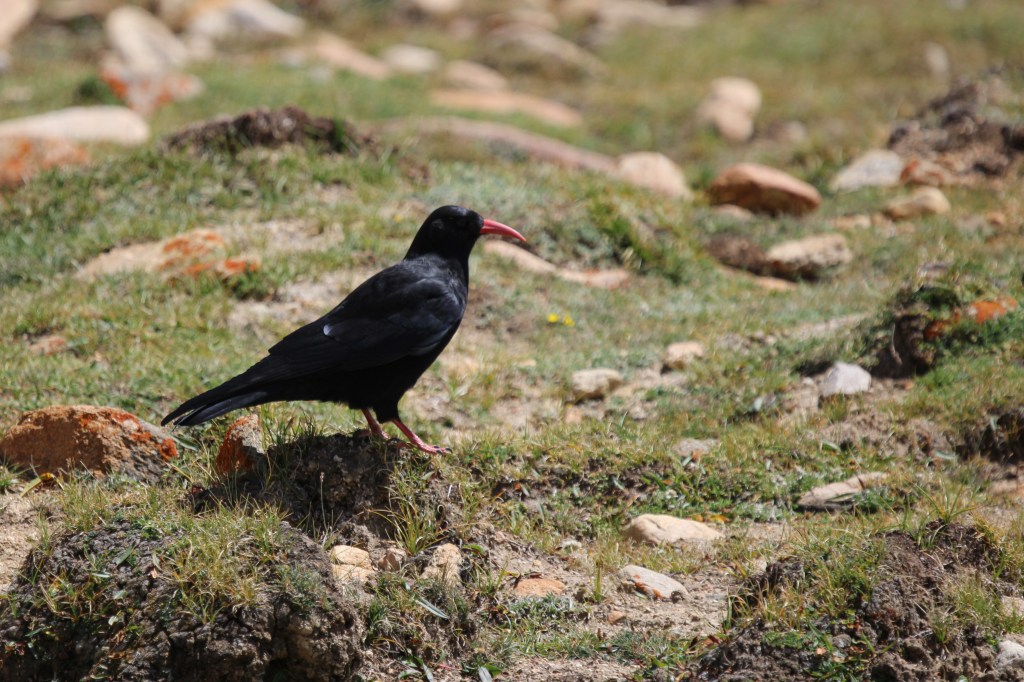
On second day, we visited local places at Leh and on third day we left for Nubra Valley through 18380 ft high Khardungla Pass. On the way, I spotted Yaks and Red billed Chough.
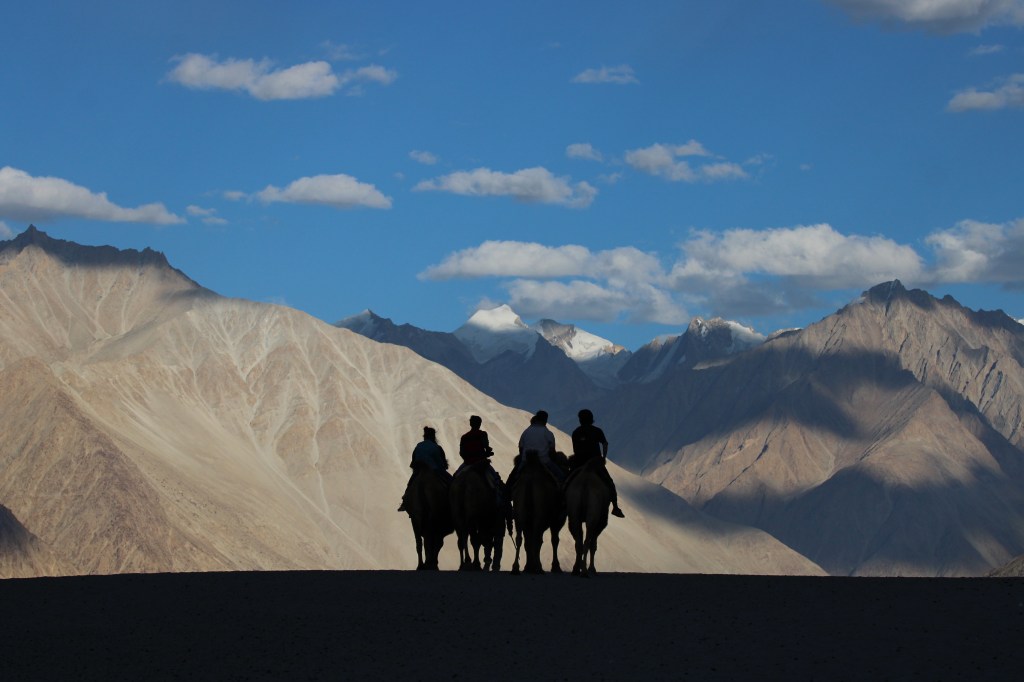
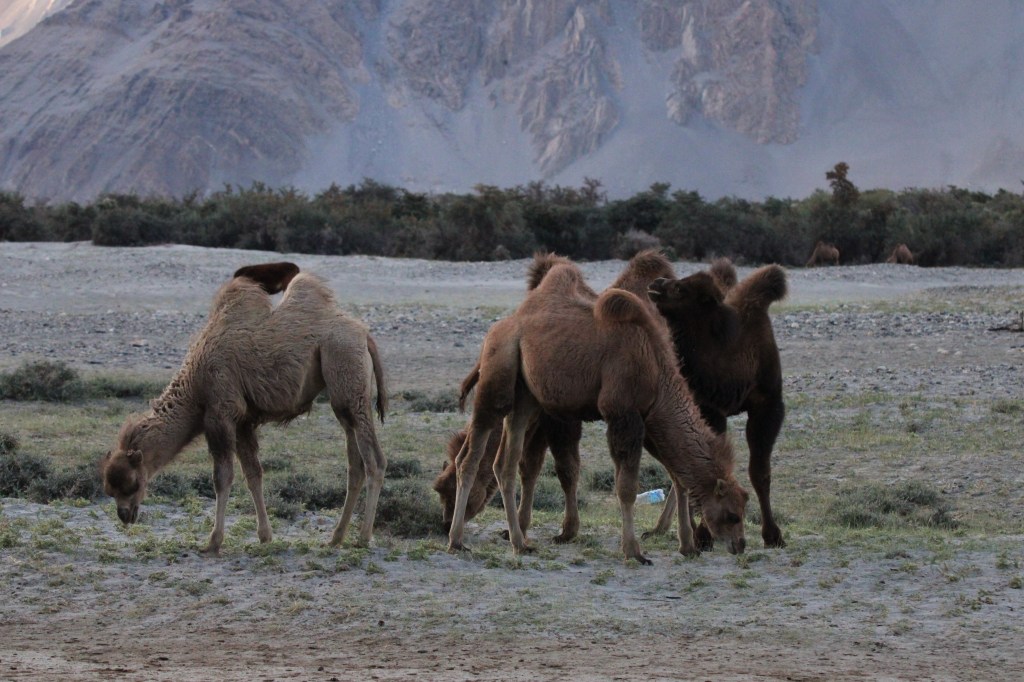
In the evening, we reached Hunder, Sand Dunes which are famous because of their white rolling sands, with a murmur of the river Shyok flowing nearby, trees & snow-capped mountains in the distance. It is unbelievable, when one thinks of it, that a desert could exist at so high an altitude! Equally surprising is the sight of the Double humped Bactrian camels, whose two humps enable them to develop resistance to cold, drought & high altitudes. The Bactrian camel has two humps, in contrast to the single-humped camels found in Rajasthan and other parts of India. As the evening approaches, and the barren mountains are covered with the crimson hues of the sun.
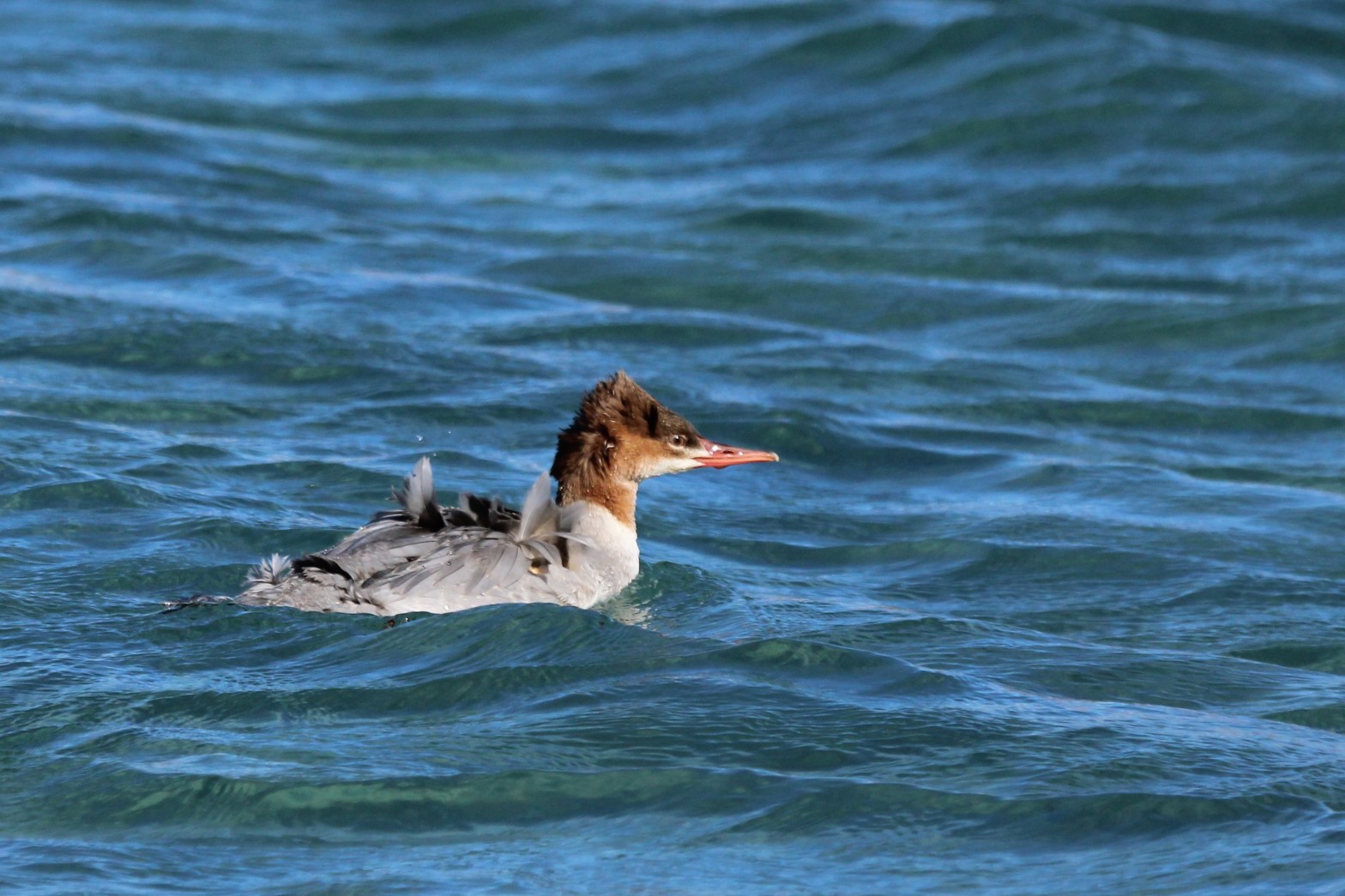
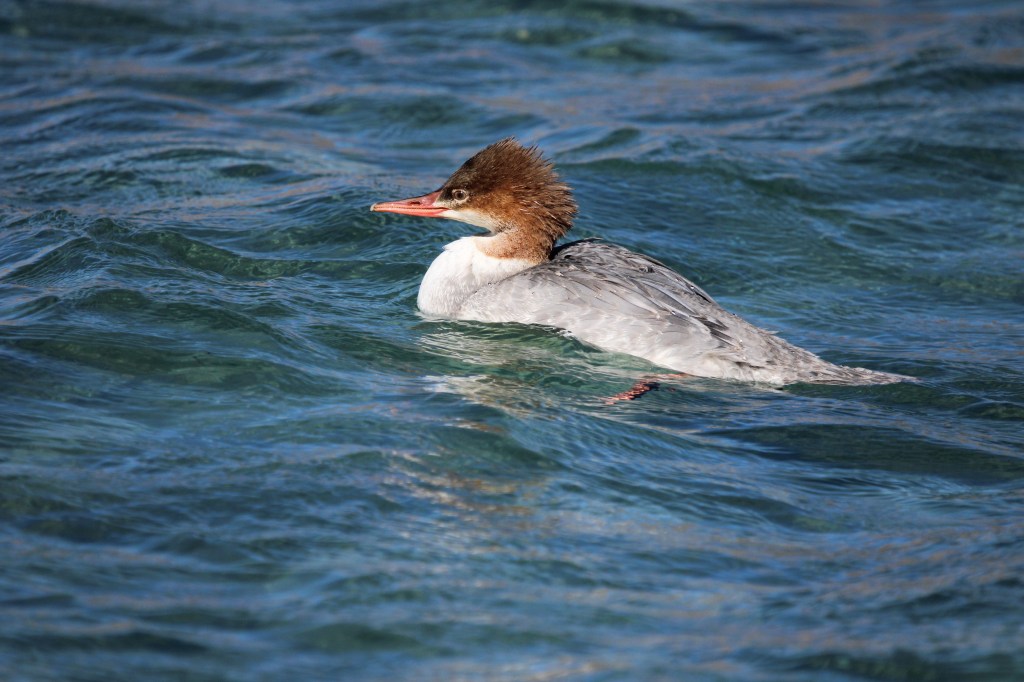
In Ladakh, you never know what surprise nature has in store for you. Pangong Lake, situated at a height of almost 4,350m, is the world’s highest saltwater lake. Its water, which seems to be dyed in blue, stand in stark contrast to the arid mountains surrounding it. Extending to almost 160km, one-third of the Pangong Lake lies in India and the other two-thirds in China. The beauty which awaits you there cannot be described in words. It has to be seen, felt and absorbed within yourself. I reached Pangong Tso on the third day. We were busy in taking photos of lake, suddenly I noticed two ducks in the blue water. I immediately took out my zoom lens and took some shots, without wasting time. This was Common Merganser another lifer for me that too at Pangong.
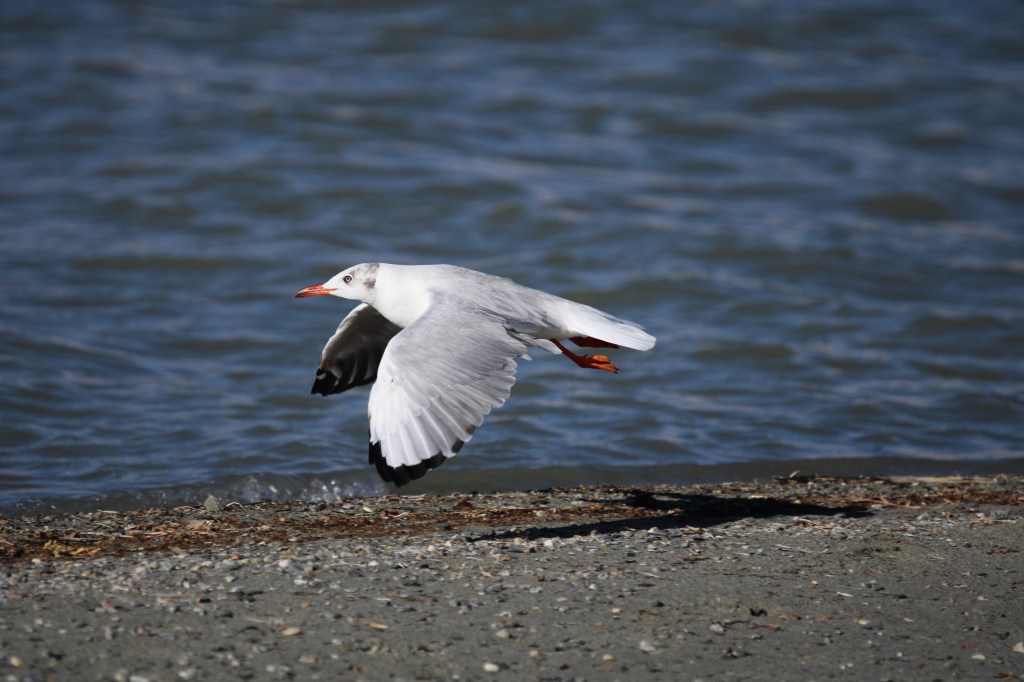
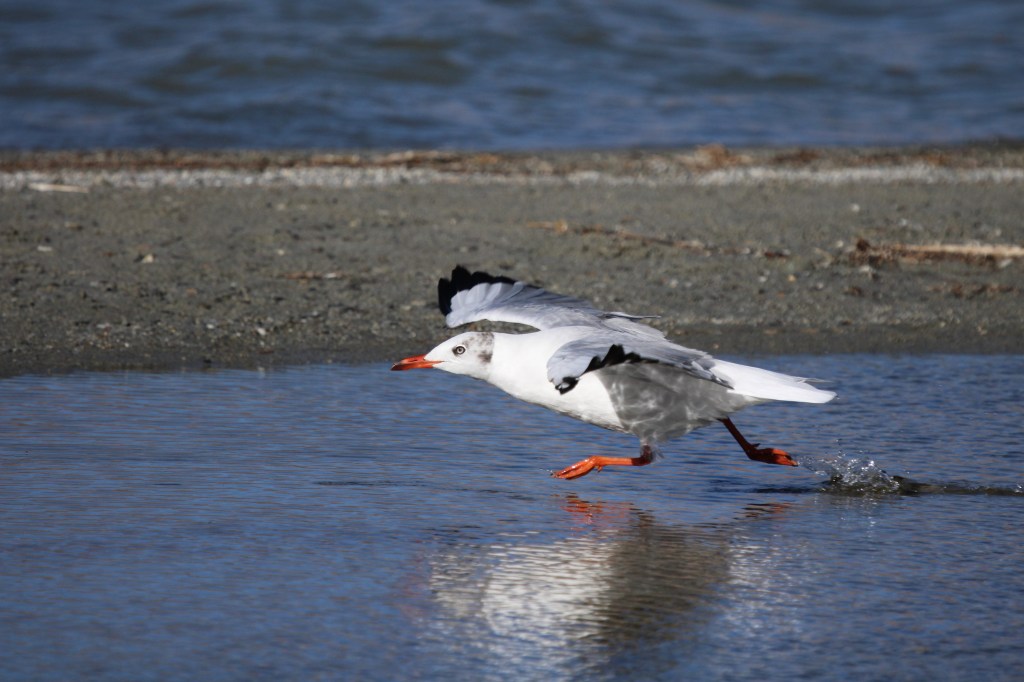
My curiosity increased and I started looking for more birds, and I got too. This time it was a pair of Brown-headed Gull, ready to take a flight. With ample light, I increased the shutter speed and took some flying shots.
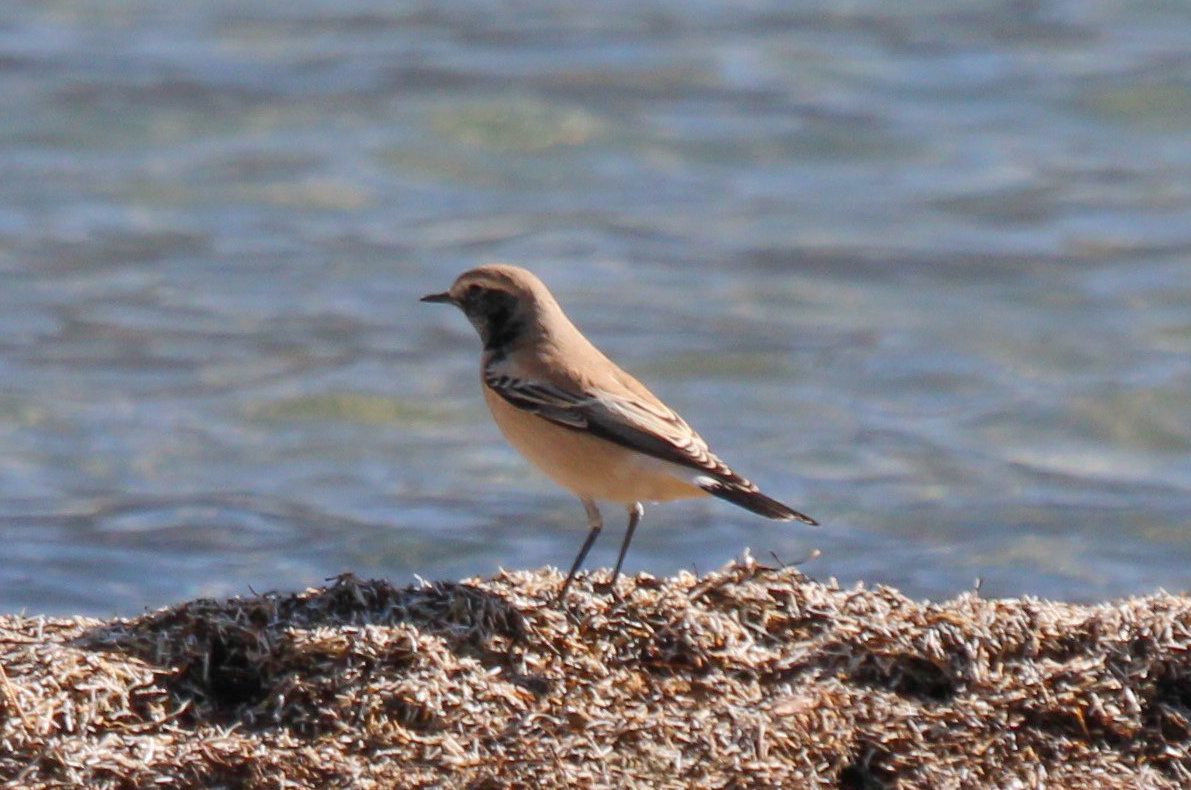
After spending some time at Pangong Lake, we started further journey for night stay at Merac Village, 28 km from the start of the lake and on the southern bank of Pangong. Our cottage was at the bank of the Pangong, and it was just 2-minute walk, so in the morning, at the time of sunrise, I walked to Pangong with the camera and hope to see some more birds. I spotted Bar Headed Goose, Eurasian Magpie, Desert Wheatear, House Sparrows,
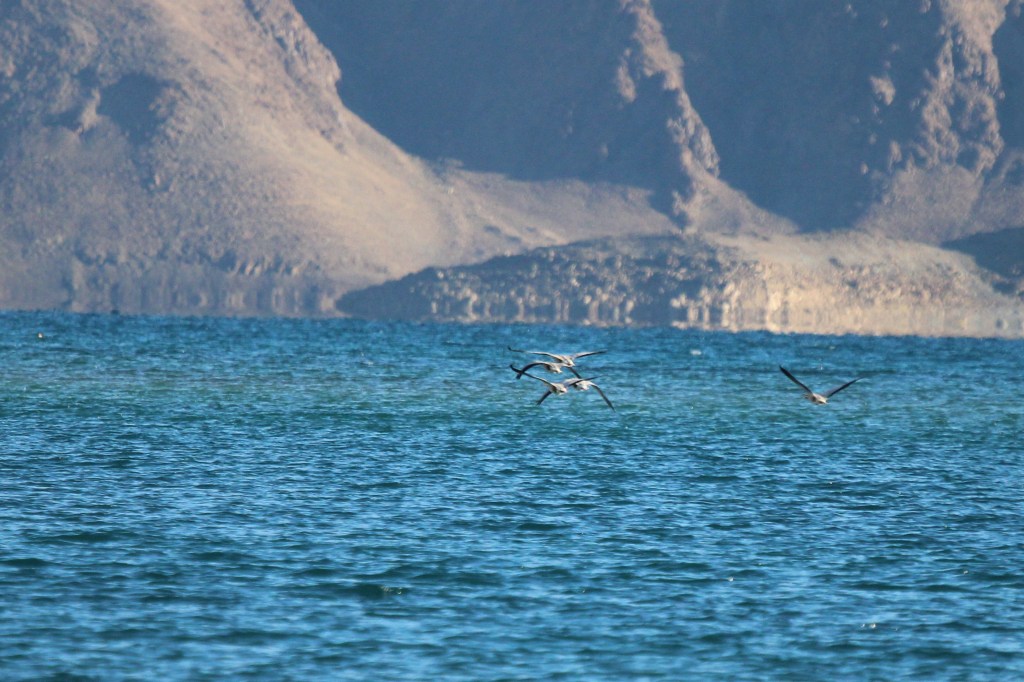
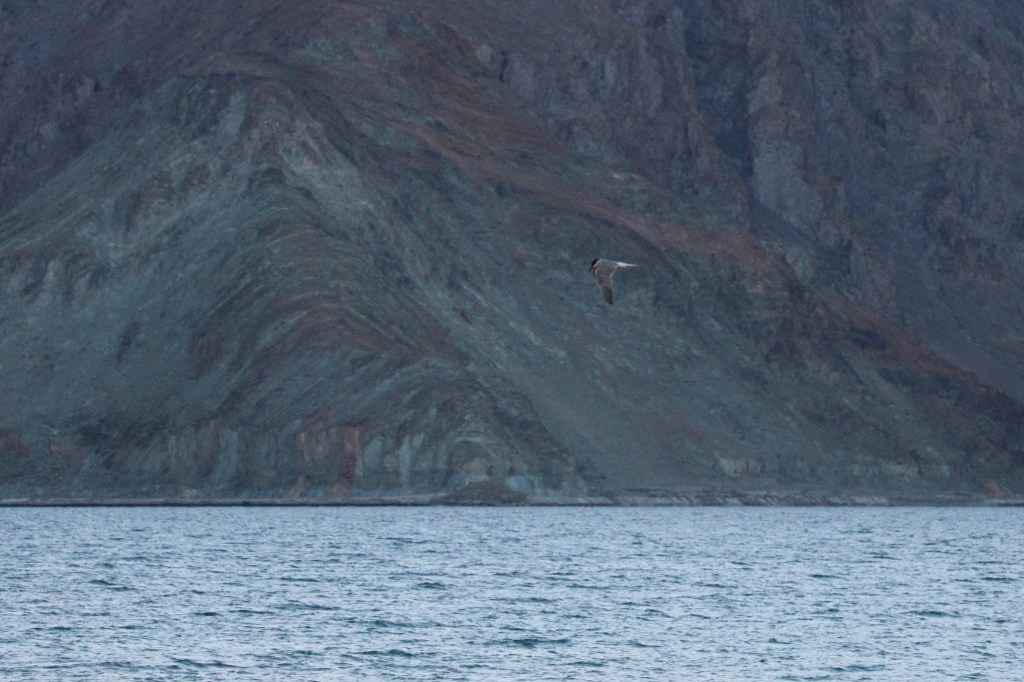
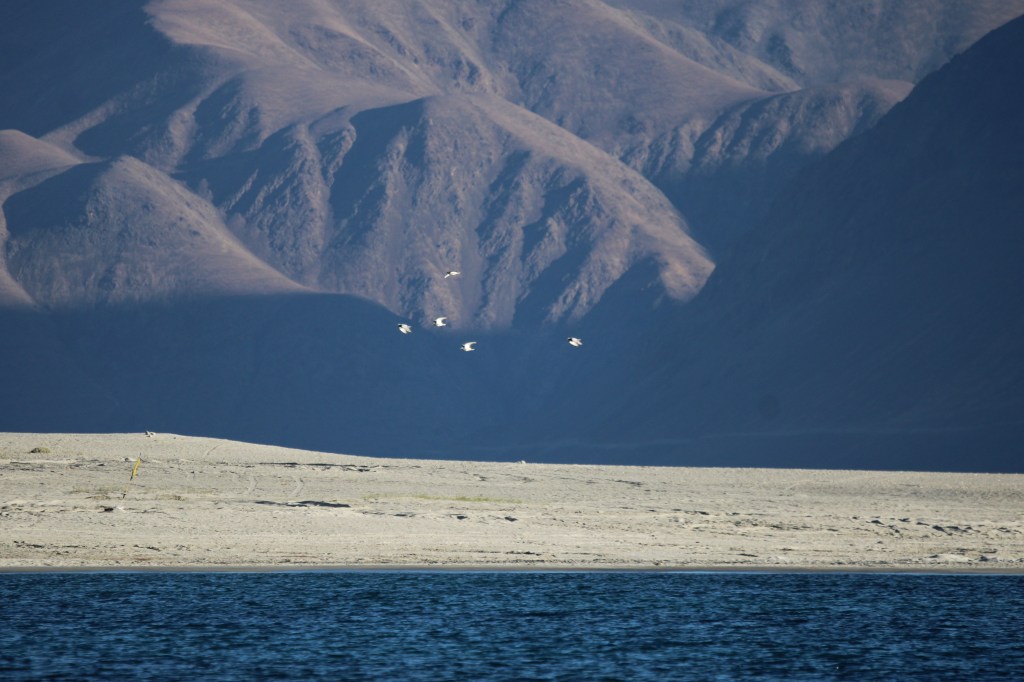
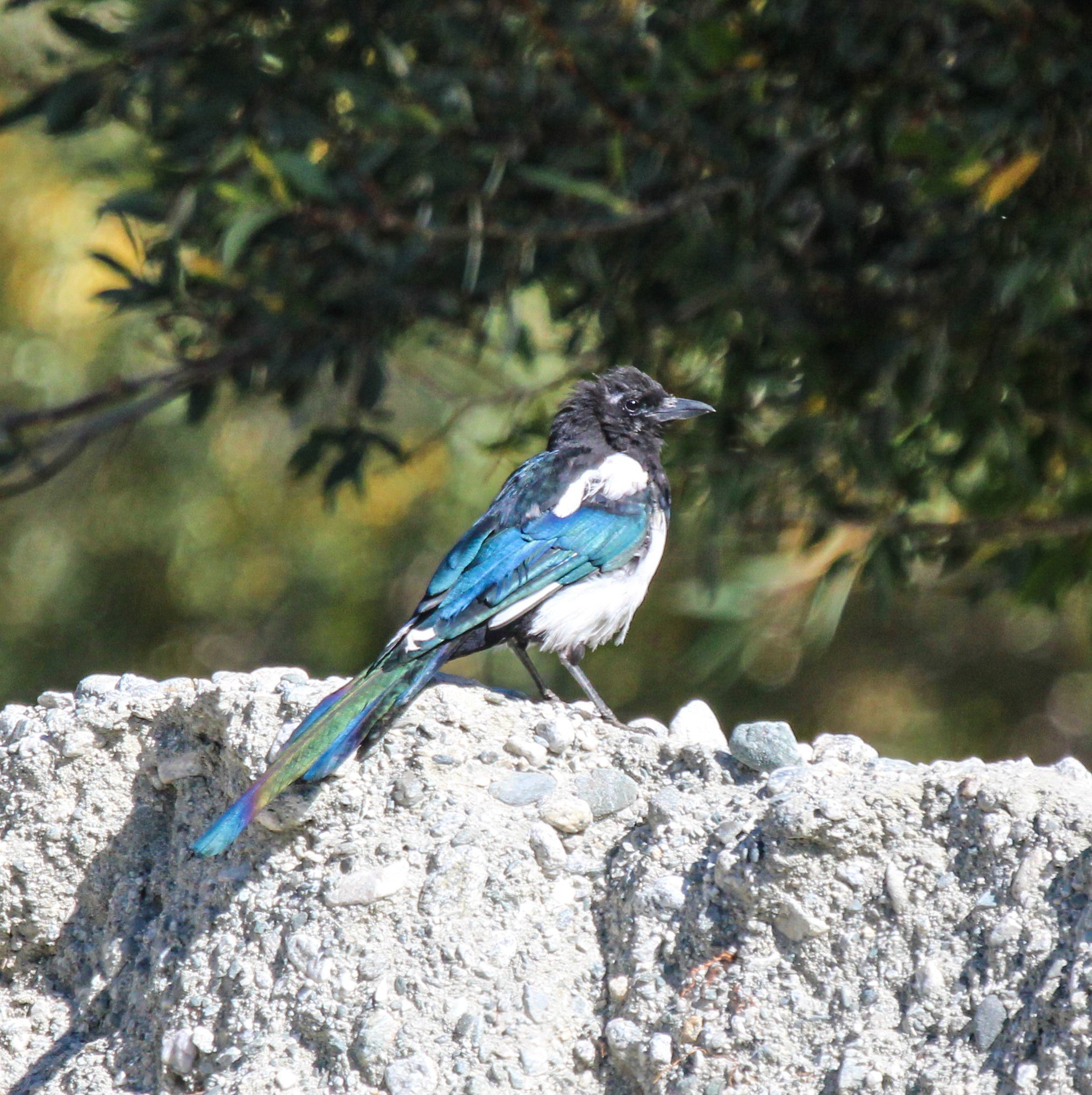
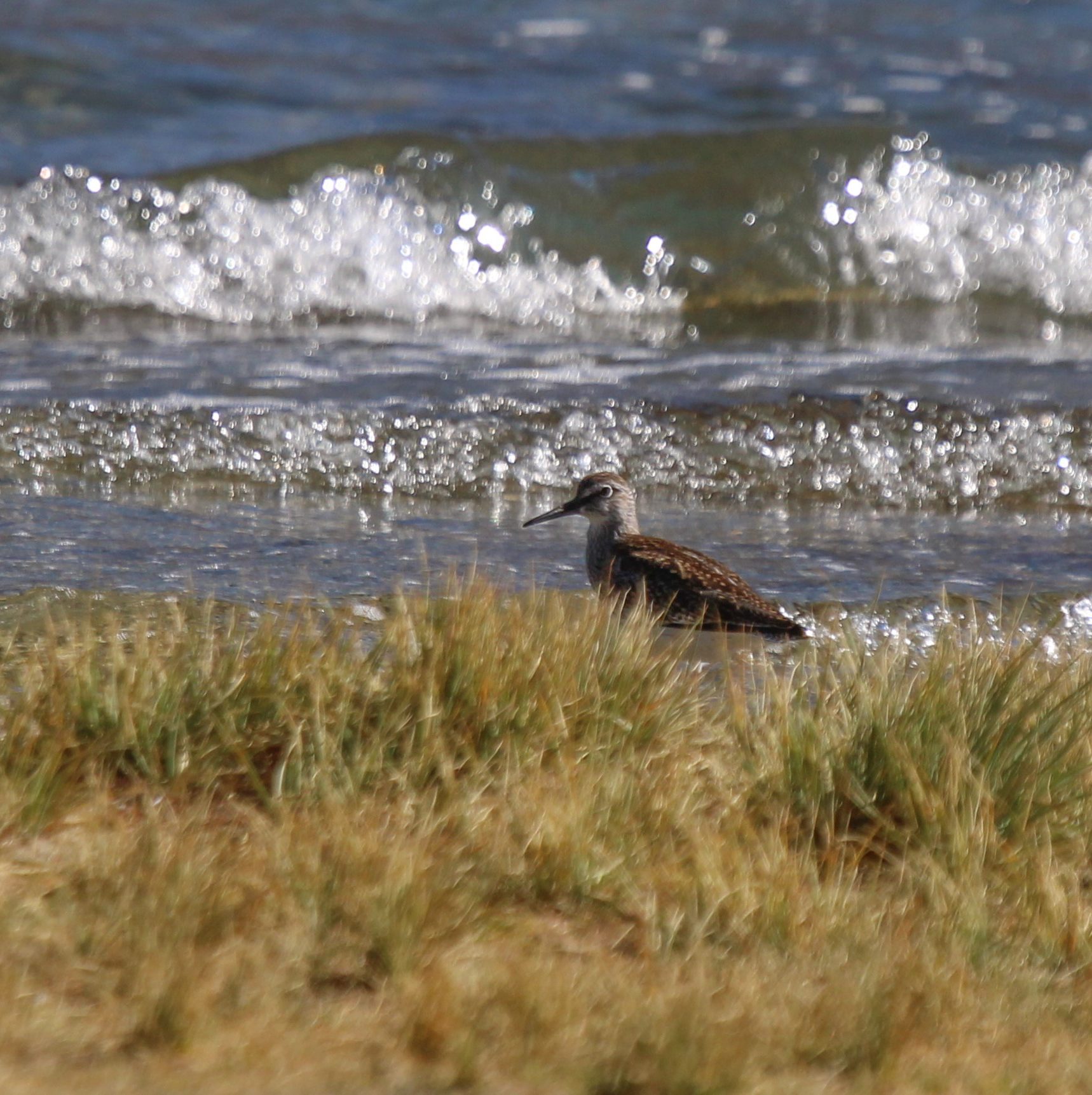
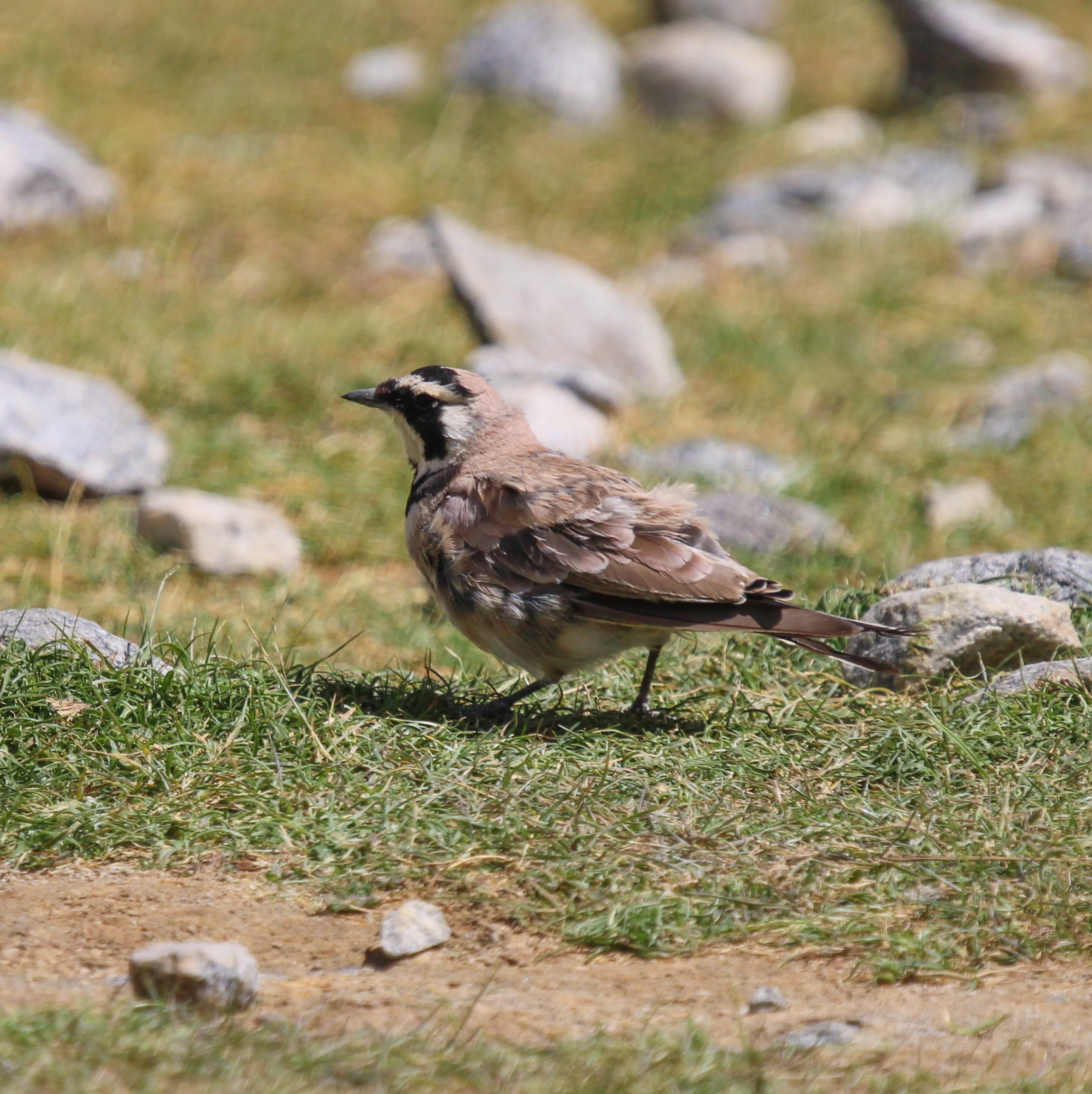
It was time to start back to Leh, so we left for leh at 9 am, but my desire was to capture the maximum of fauna as much as I can. I spotted and clicked Horned Lark on my way.
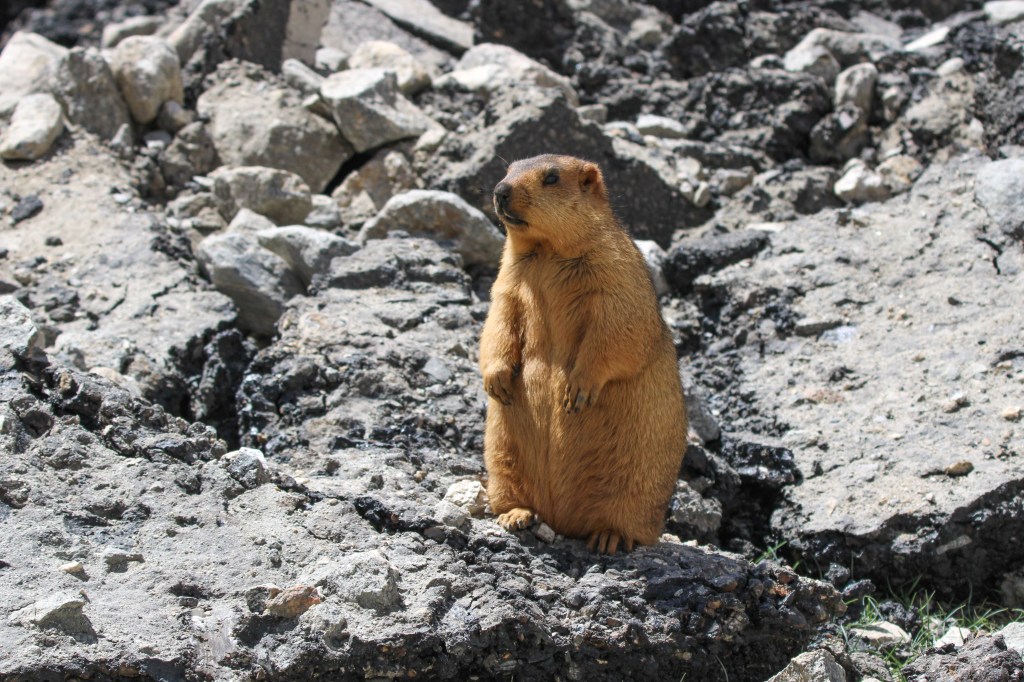
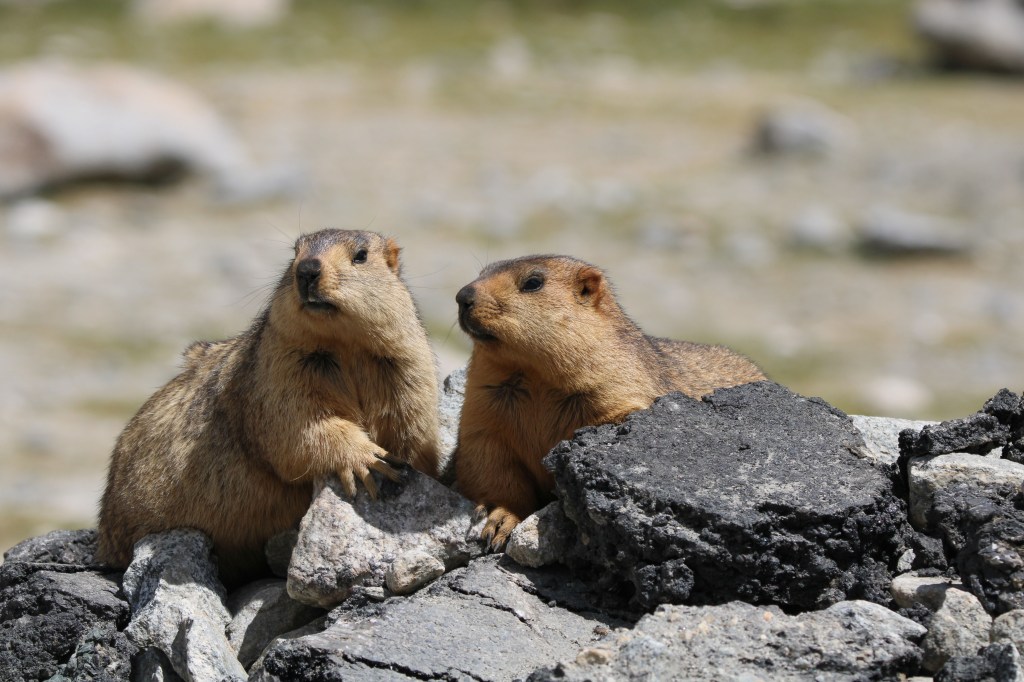
When we were going to Pangong, we had missed Marmots, but on return journey, we were lucky to see Marmots very closely in their natural habitat.
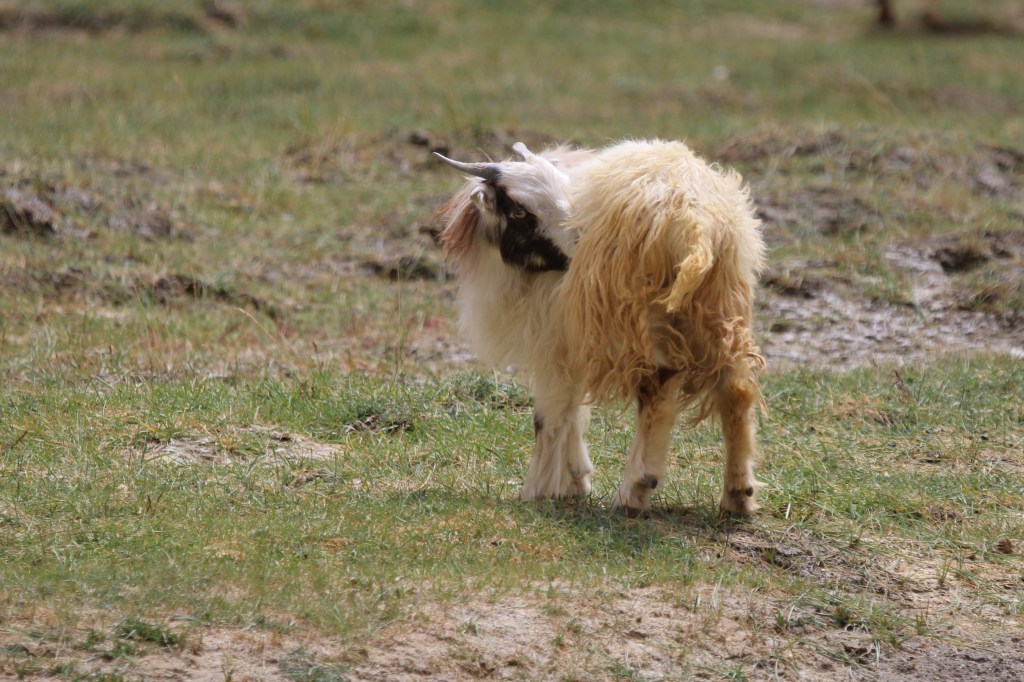
After driving further, our driver stopped the vehicle and showed us Pashmina Goats, also known as the Changthangi goat or Changra goat. The breed is raised mainly for its ultra-fine cashmere wool production. This cashmere wool is known as Pashmina once woven.
We reached back at Leh on 5th day with lots of pictures, memories and experiences, which I shall surely like to have again and again in my life.
 naturetrail
Thanks for sharing. Well done. I enjoyed reading it as it refreshed my memories . Keep it up.
Subhash Sapru
LikeLike