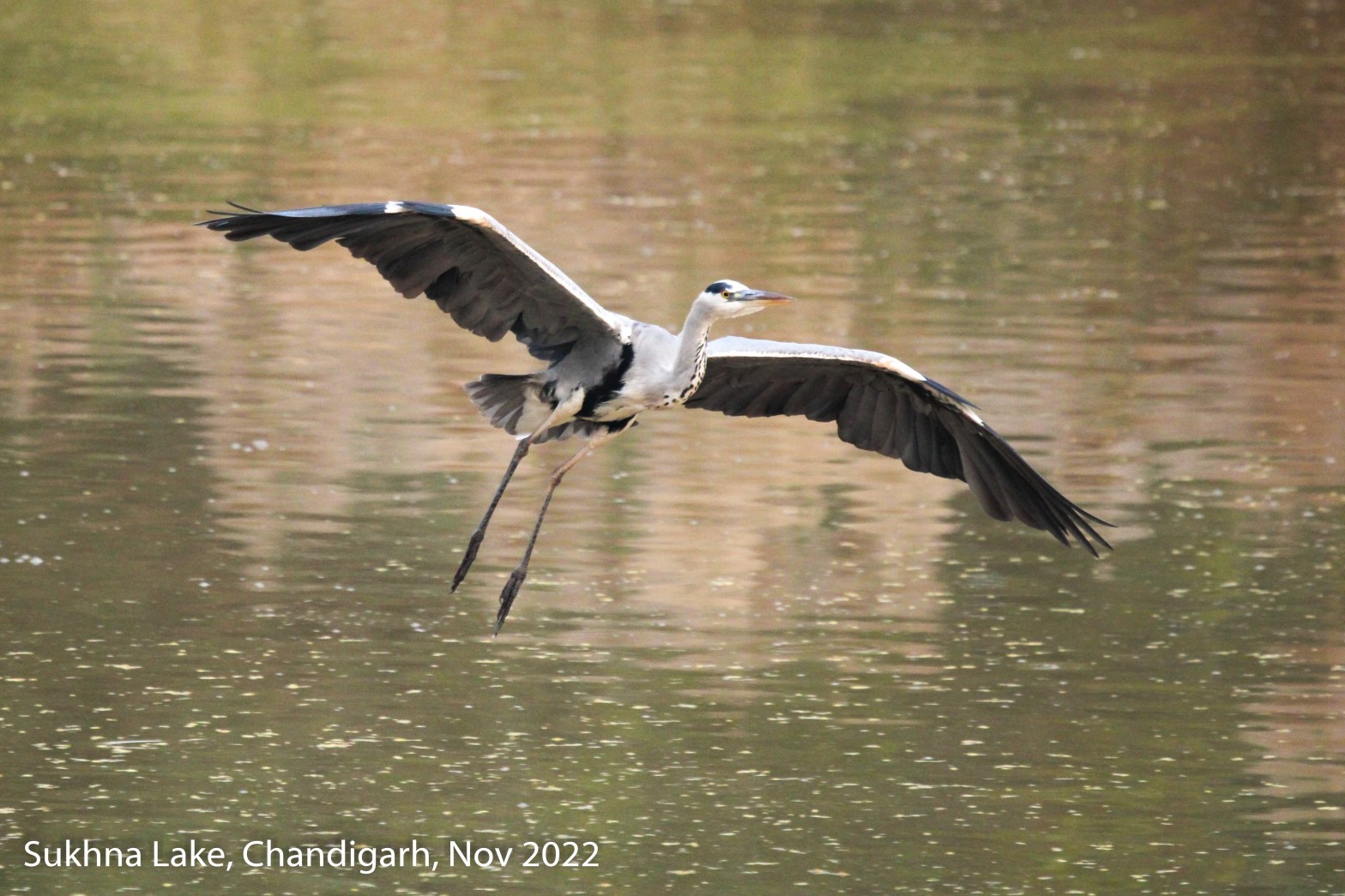
Herons are often seen standing as still as a statue on their long thin legs in shallow waters of ponds and lakes patiently waiting for their next meal to swim by. The heron’s endless patience reminds us of the importance of waiting for opportunities to appear. Timing is a difficult thing to master, but everyone could learn a thing or two from watching the heron at work! The stillness of a patient heron sits in sharp contrast to the lightning-quick movements that these birds execute when the time is finally right to act.
The herons are medium- to large-sized birds with long legs and necks. The necks are able to kink in an S-shape, due to the modified shape of the cervical vertebrae. The neck can retract and extend and is retracted during flight, unlike most other long-necked birds. The neck is longer in the day herons than the night herons. The legs are long and strong. In flight, the legs and feet are held backwards. The feet of herons have long, thin toes, with three forward pointing ones and one pointing backwards.
There are five types of Herons which are spotted in Chandigarh and adjoining areas. Though resident birds, but these days four of them Grey Heron, Purple Heron, Black Crowned Night Heron and Indian Pond Heron can be easily spotted near the regulator end. Whereas the fifth one Striated Heron has not been spotted by me as yet at Chandigarh, however I had spotted and clicked at Bharatpur.
GREY HERON
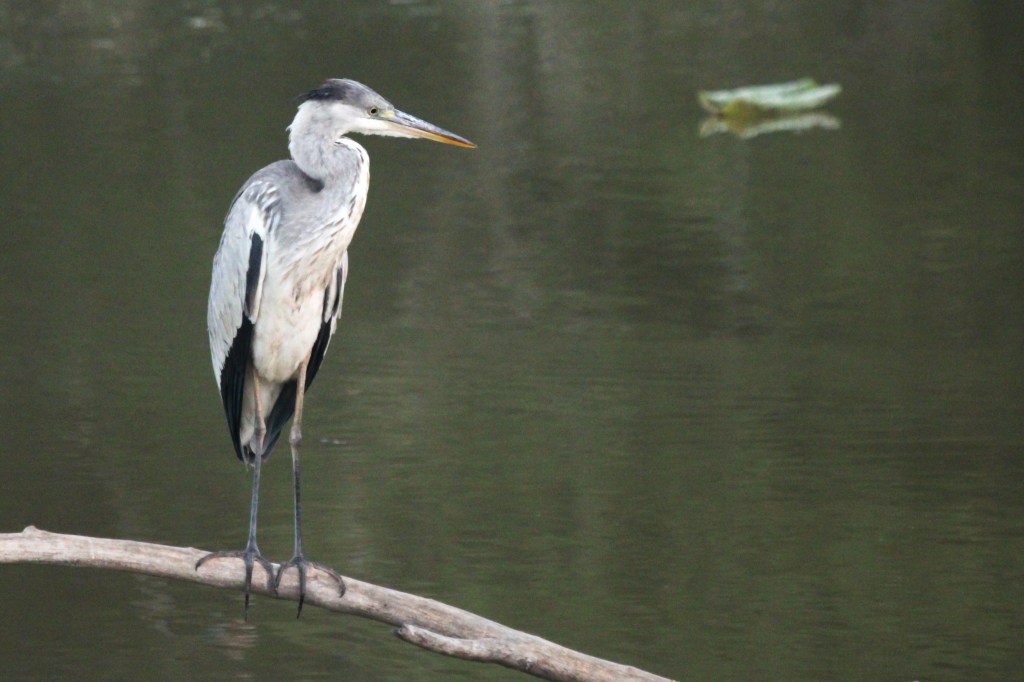
An easily recognized bird with tall legs, a long bill, black, white and grey plumage, a long, white neck, bright yellow bill. A stripe of black elongated feathers begins from the base of the bill, runs above its eye, and extends up to the distinctive black crest on the head. The bills of grey herons are yellow throughout the year but become an orangish hue in the breeding season. For more about Grey Heron Grey Heron
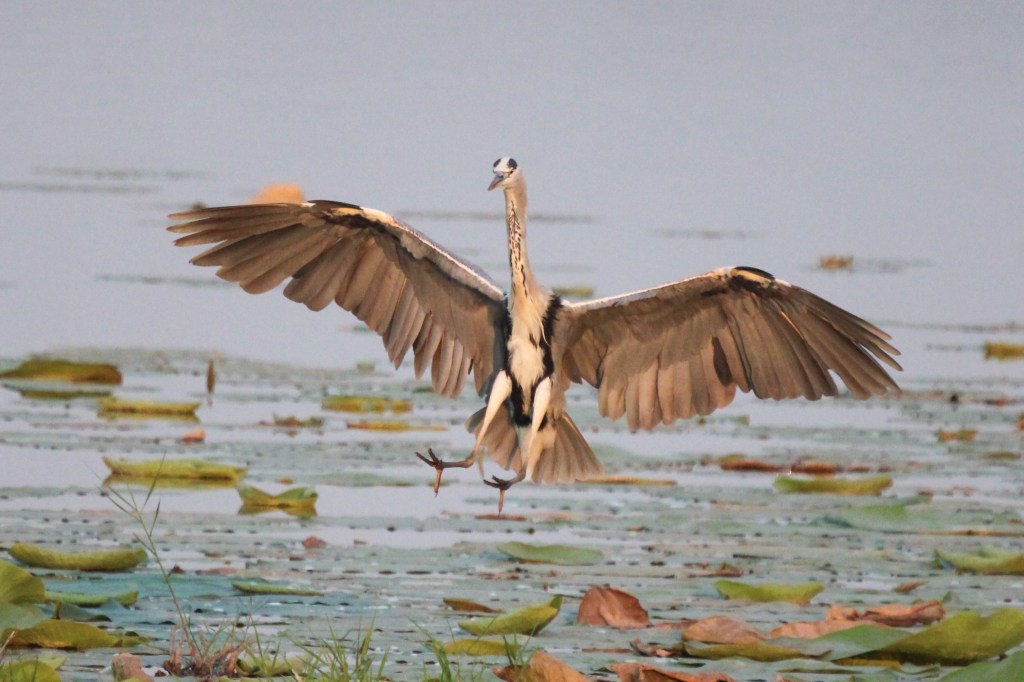
Grey herons are the largest and most powerful of all heron species, reaching up to 100 cm (40 in) tall and measuring 84–102 cm (33–40 in) long with a 155–195 cm (61–77 in) wingspan. The grey heron has a slow flight.
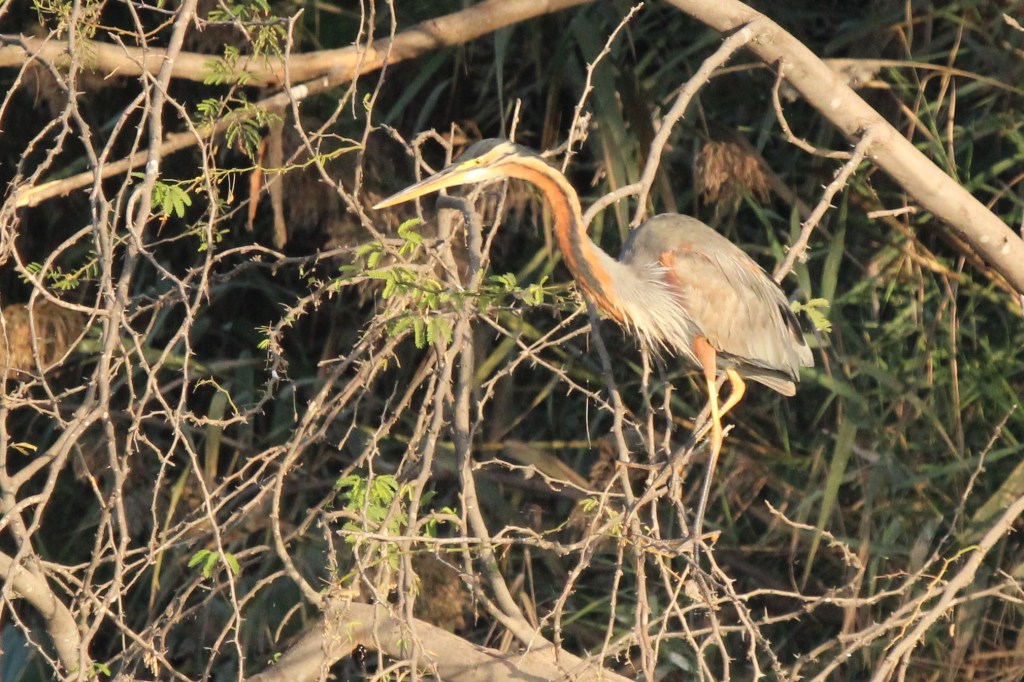
PURPLE HERON
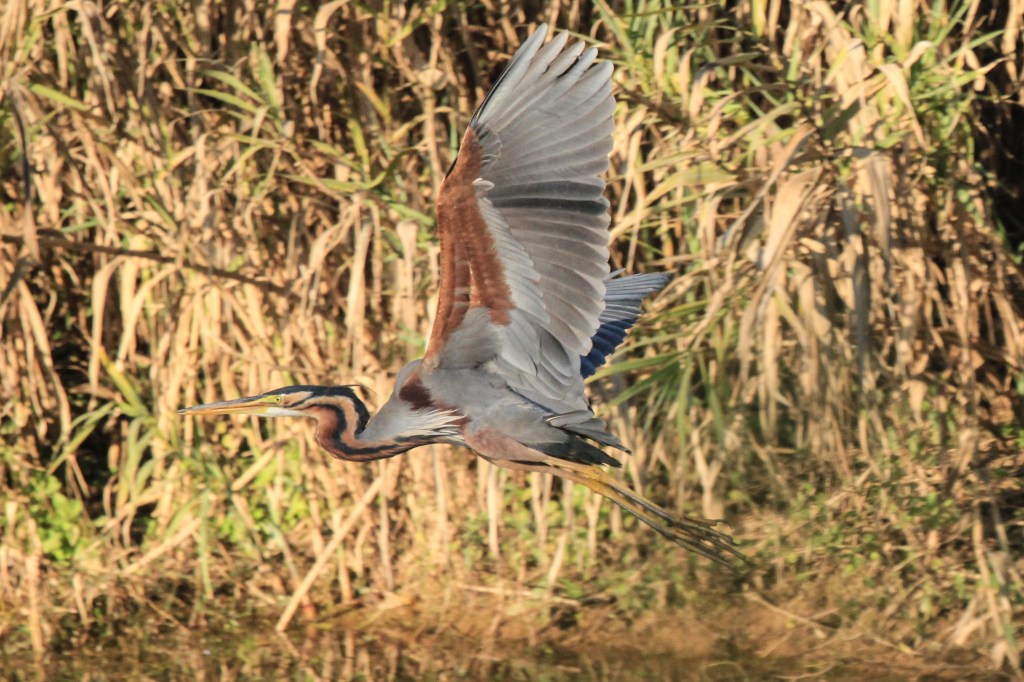
Similar in appearance to the grey heron but slightly smaller, slenderer and has darker reddish-brown plumage. It has a narrower yellow bill, which is brighter in breeding adults. It is also a more evasive bird, favoring densely vegetated habitats near water, particularly reed beds. It hunts for a range of prey including fish, rodents, frogs and insects, either stalking them or standing waiting in ambush. For more about Purple Heron Purple Heron
Black – crowned Night – Heron
A black, white and grey bird, identified by its black cap and back, white neck and grey wings, stocky build and with neck usually tucked in. In flight, it has a distinctive compressed outline with broad, round wings. It’s toes only barely extend beyond its tail.
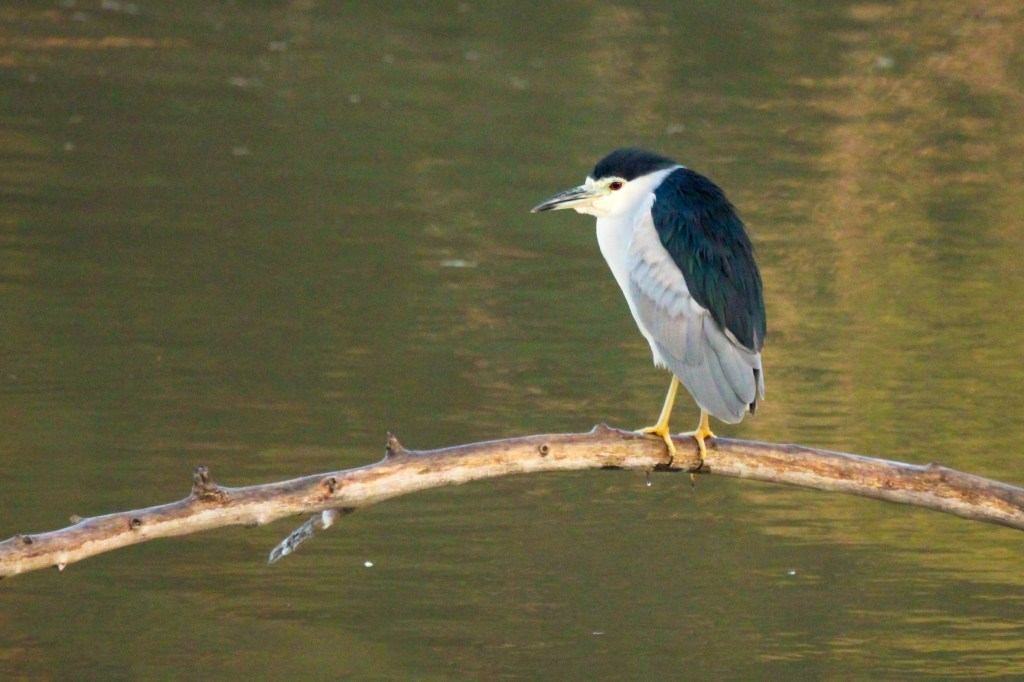
The black cap goes forward to a white line above the bill. The sides of the head and thick neck are white. The thick, down curved bill is black. The lore’s are green blue; the irises are crimson red. The back is black, and the upper wings, rump and tail are grey. The belly is white to pale grey. The relatively short legs and feet are pale yellow.
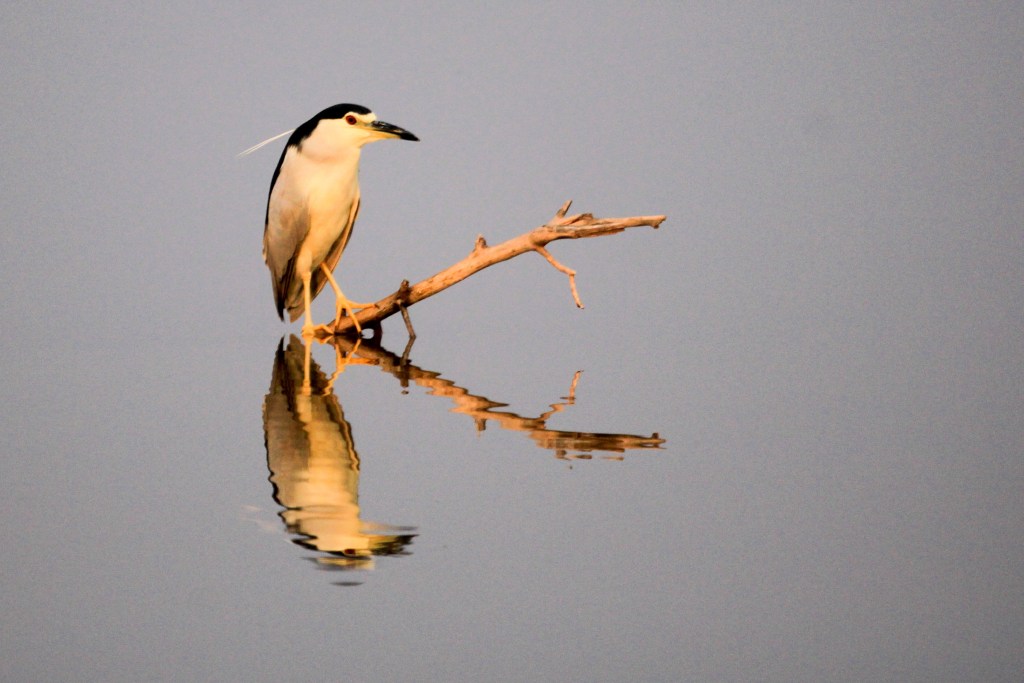
White plumes grow from the head to the back of the night heron which is used for attracting mates during the breeding season and to display various acts. For more Black-crowned Night-Heron
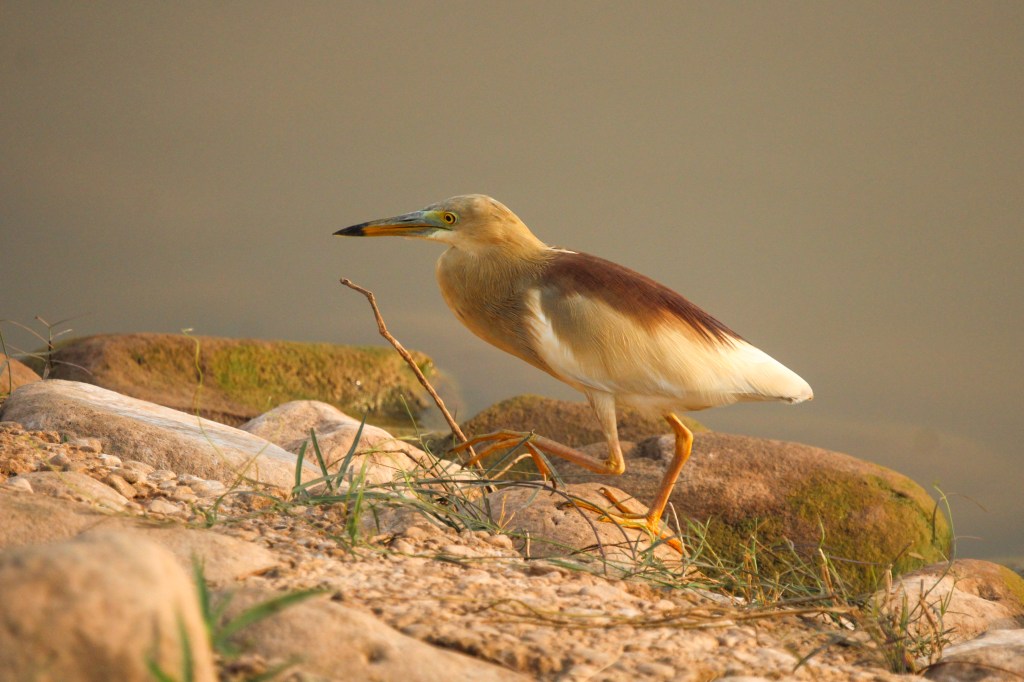
Indian Pond Heron
A small heron, widespread and common but can be easily missed when they stalk prey at the edge of small waterbodies or even when they roost close to human habitations. They are however distinctive when they take off with bright white wings flashing in contrast to the cryptic streaked olive and brown colors of the body. Their camouflage is so excellent that they can be approached closely before they take to flight, a behavior which has resulted in folk names and beliefs that the birds are short-sighted or blind.
STRIATED HERON
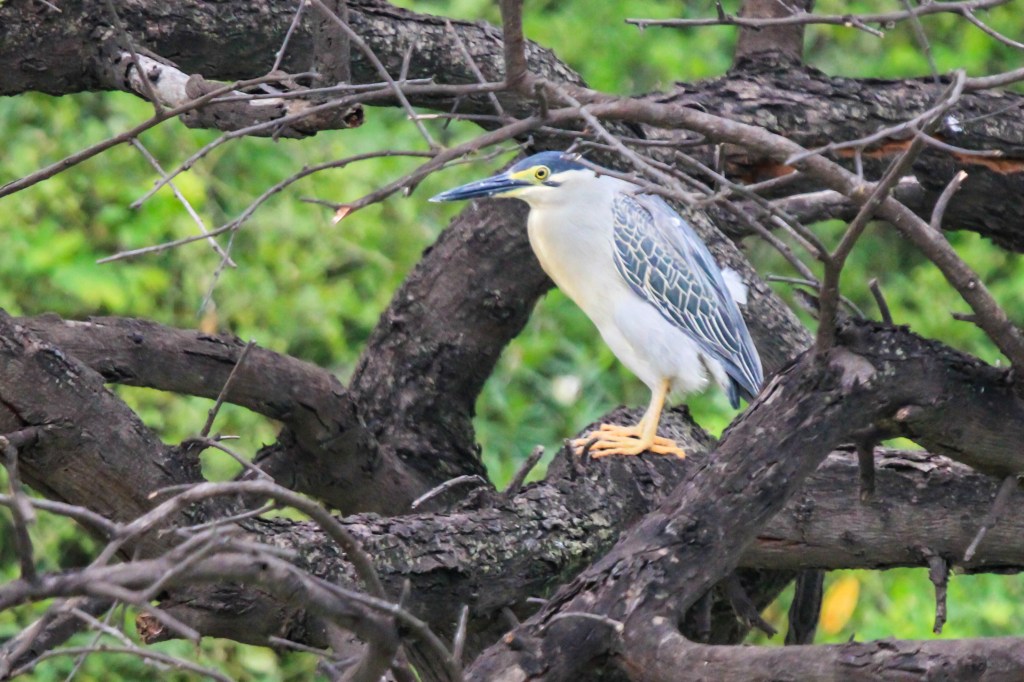
A small heron, also known as mangrove heron, little green heron or green backed heron about 44 cm tall. Striated herons are mostly sedentary and noted for some interesting behavioral traits.
 naturetrail
Well done. Keep doing good work.
Subhash Sapru
LikeLike
Beautiful photographs!
LikeLike