Summer is at its peak. Every day, the temperature touches new highs and conversations everywhere revolve around the harshness of the season — what to eat, what to wear, how to stay indoors and how to avoid the scorching sun. Yet, amidst all these discussions, very few people talk about the other, far more beautiful side of summer.
For nature lovers and birdwatchers, summer is not merely a season of heat; it is a season of arrival, transformation and life.
It is during these warm months that many beautiful migratory birds arrive from southern India and distant regions to spend their breeding season in northern India. Parks, gardens, urban forests and wooded patches suddenly become alive with colours, songs and movement. While most winter migratory birds depart by March, the native resident birds begin preparing for breeding, and soon they are joined by summer migrants that arrive with the promise of the approaching monsoon.
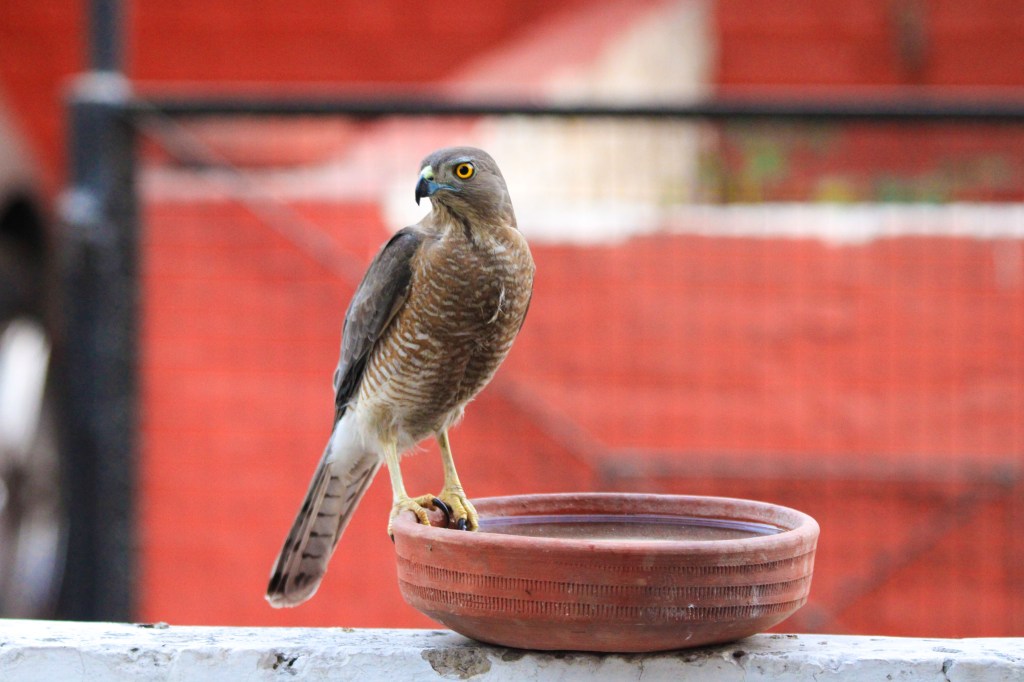
Summer also gives us an opportunity to contribute in a small yet meaningful way to nature. Placing earthen pots filled with fresh water in balconies, terraces and courtyards can become a lifeline for thirsty birds battling the intense heat. Watching colourful birds visit your home to drink water or joyfully bathe in the earthen bowls is not only relaxing but deeply fulfilling. In the middle of a harsh summer afternoon, these little moments connect us with nature in the purest way possible.
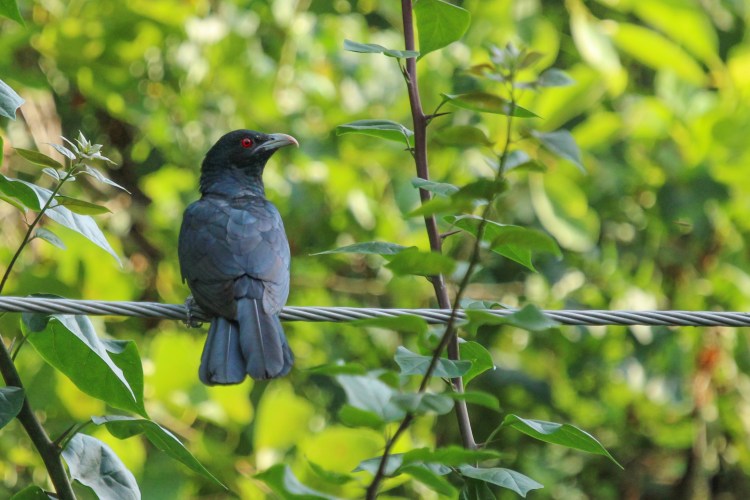
Perhaps the most familiar announcement of summer comes every morning from the neighborhood mango trees — the repetitive ko-oooo, koo-oooo call of the male Asian Koel. The call, often emotional and rising in pitch, is actually part of the bird’s mating ritual, though many people associate it with the longing for rain. For bird lovers, however, the koel’s song marks the true beginning of the breeding season.
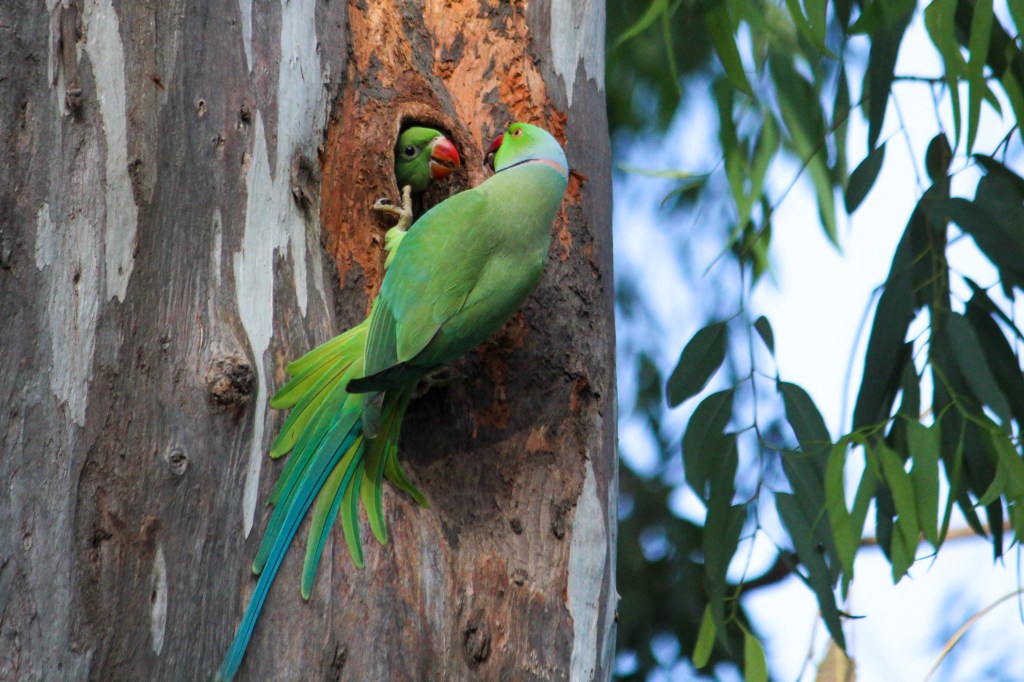
Summer mornings are also filled with the loud, repetitive calls of the Brown-headed Barbet echoing from tree canopies across the city. Its continuous calling is much more than background sound; it serves as a territorial advertisement to ward off rival males and attract females. The male’s persistent vocalization demonstrates strength and vigor, while simultaneously alerting potential mates to its presence and suitability. Hidden among thick green foliage, the bird is often difficult to spot, yet its unmistakable kutroo…kutroo… call becomes one of the defining sounds of the season.
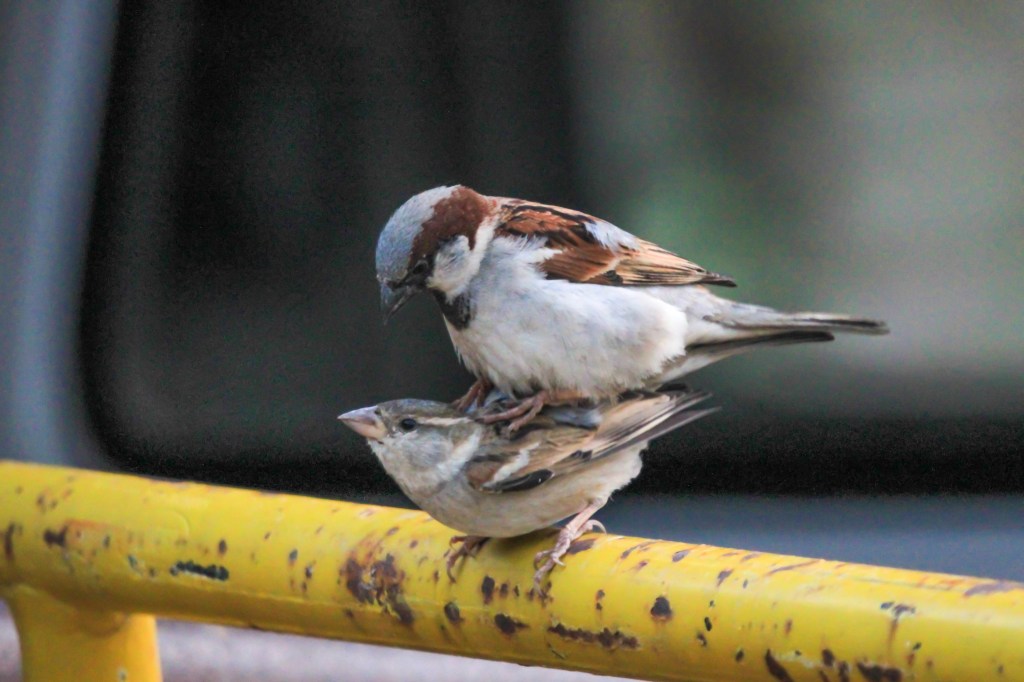
As the breeding season begins, birds undergo remarkable transformations. Males start developing brighter and shinier plumage to attract females, and their songs become sweeter and louder. Nature itself turns into a grand stage of courtship displays, territorial calls and nesting activities.
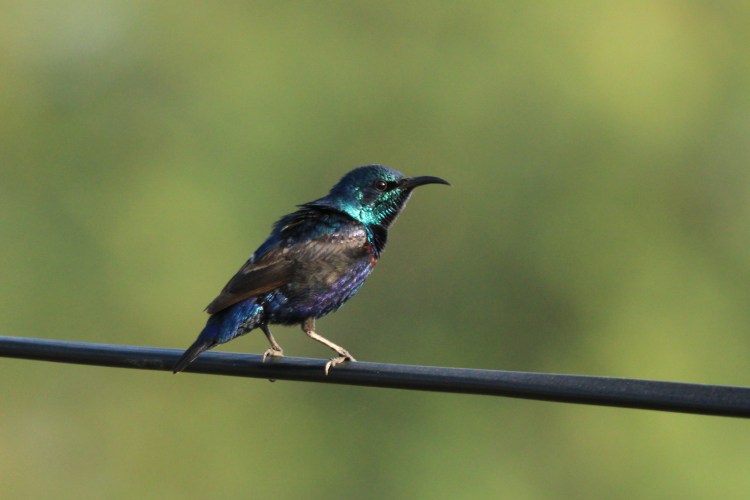
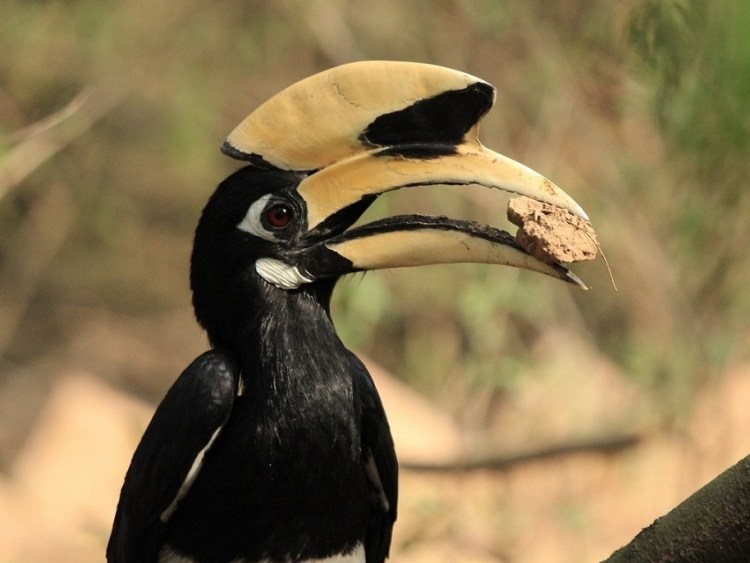
One of the finest examples is the Purple Sunbird. During winter, the male appears dull olive-green in what is known as eclipse plumage. But with the arrival of summer, it transforms into a dazzling metallic blue-black jewel that flashes brilliantly in sunlight. Similarly, species like the Red Avadavat acquire rich breeding colours, while Grey Hornbills begin searching for suitable tree cavities for nesting.
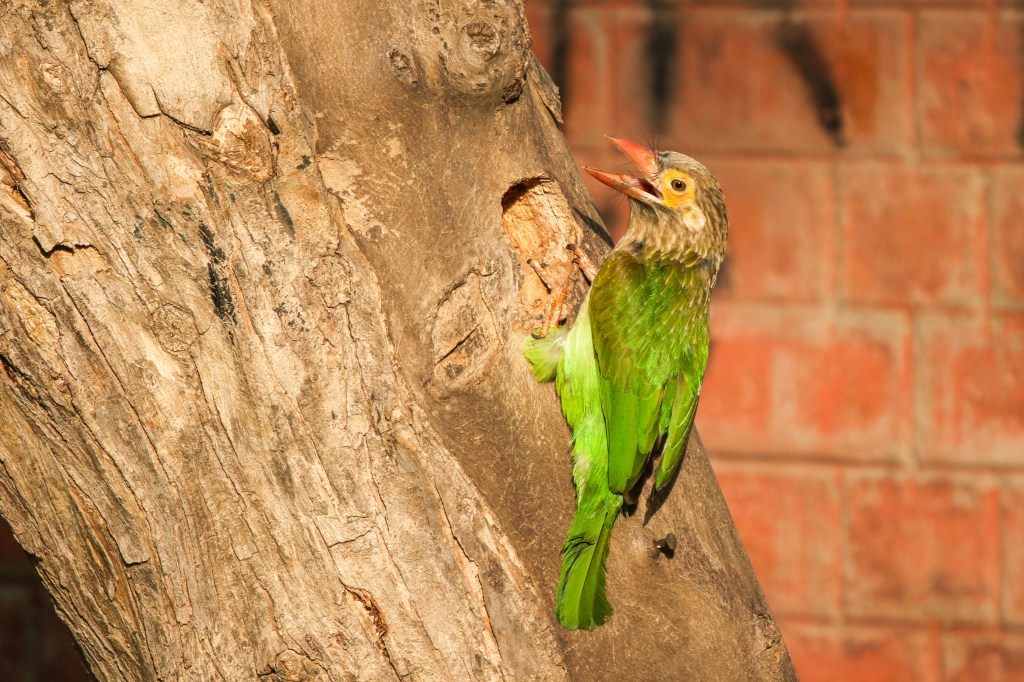
This is also the time when cavity-nesting birds become highly active. Brown-headed Barbets can often be seen excavating nesting holes in soft tree trunks or modifying existing cavities for breeding. The rhythmic tapping of the Black-rumped Flameback woodpecker is another characteristic sound of summer forests and urban green spaces. With great patience and effort, these striking woodpeckers carve deep cavities into tree trunks that later serve as secure nesting chambers for raising their young. Such behaviour highlights the importance of preserving old trees in our urban ecosystems, as they provide essential nesting sites for many bird species.
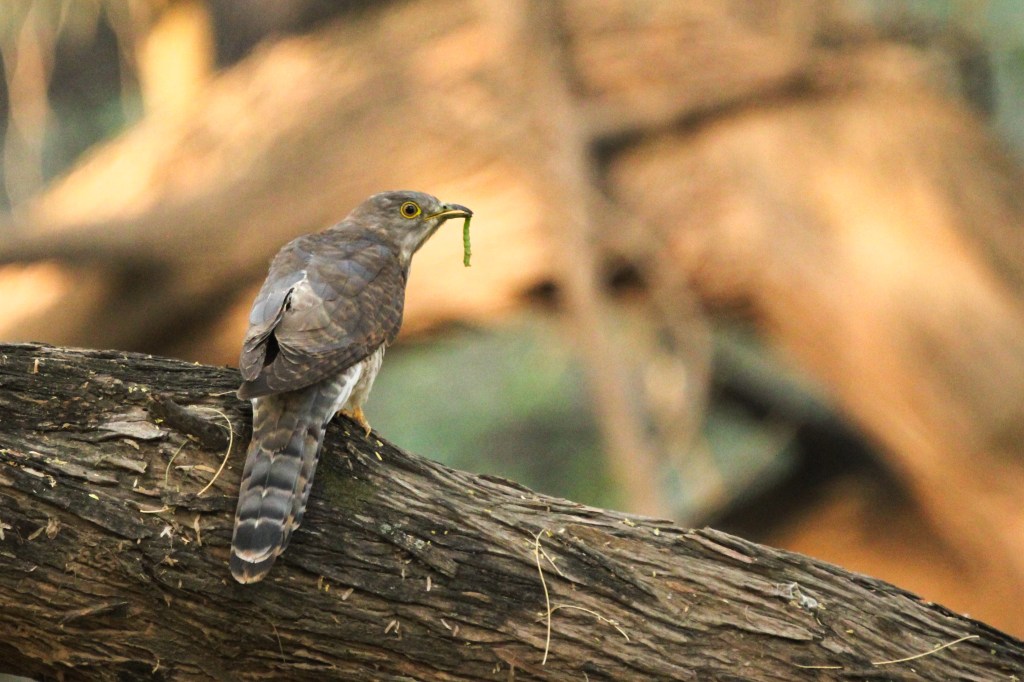
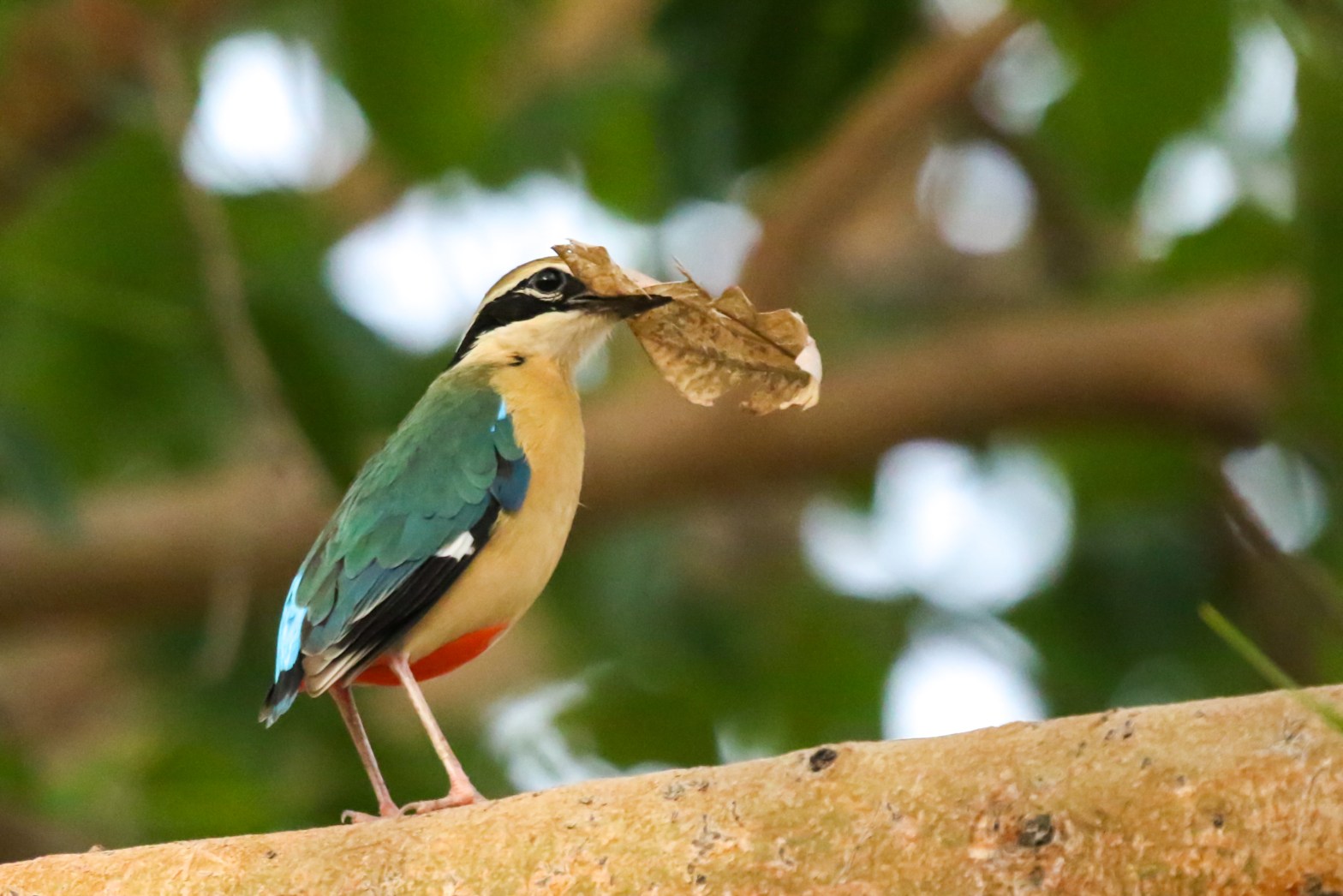
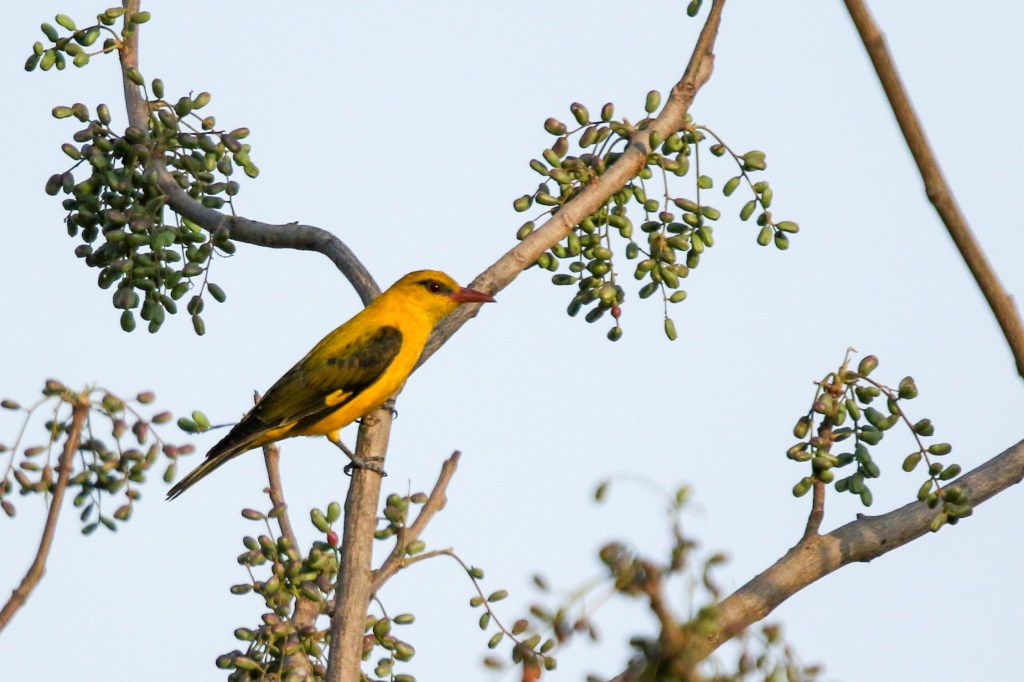
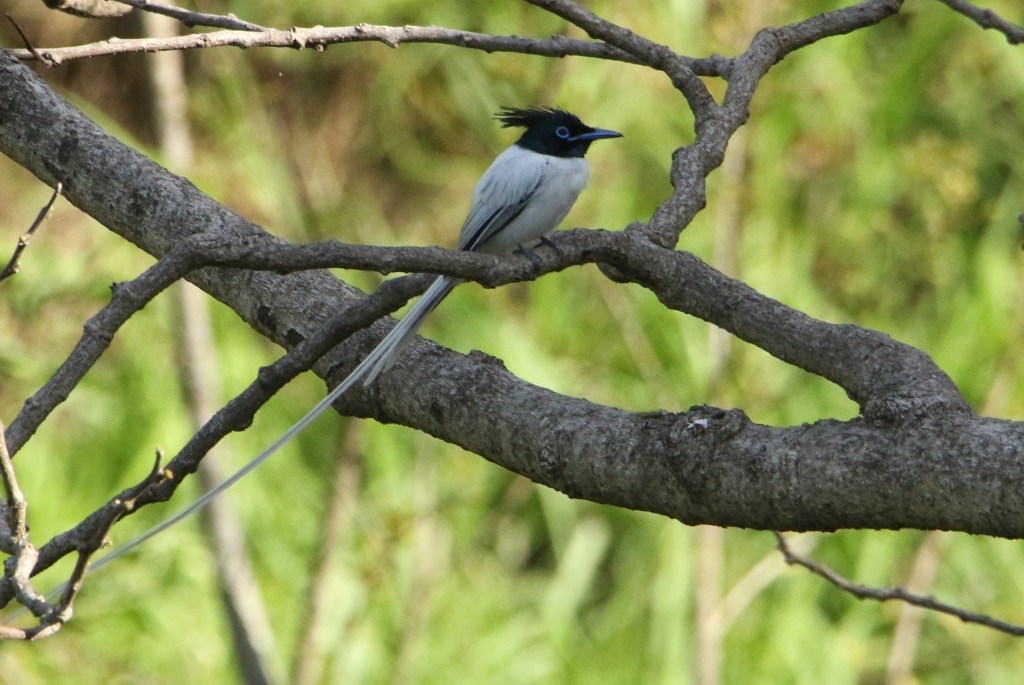
Summer is also the season when several fascinating migratory species arrive in and around Chandigarh, especially in areas like ISCR and nearby forests. More than fifteen species of summer migrants are usually recorded here every year. Among the most admired are the Indian Pitta, Indian Paradise Flycatcher, Asian Koel, Common Hawk Cuckoo, Indian Cuckoo, Jacobin Cuckoo, Grey-bellied Cuckoo, Eurasian Golden Oriole, Rosy Starling, Common Rosefinch, Asian Brown Flycatcher and both Blue-cheeked and Blue-tailed Bee-eaters. Wetland habitats also witness the arrival of elegant bitterns, including Black, Yellow and Cinnamon Bitterns.
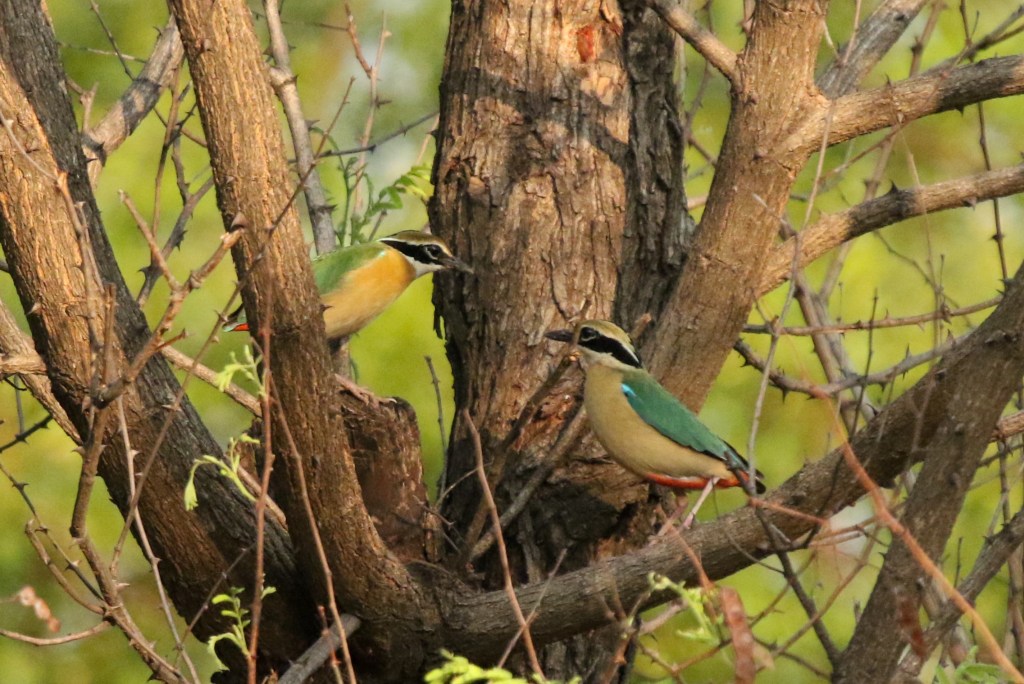
The Indian Pitta, often called the “nine-coloured bird,” arrives quietly with the onset of summer and fills the forests with excitement among birdwatchers. The Paradise Flycatcher, with its graceful ribbon-like tail and elegant flight, becomes one of the most enchanting sights of the season. Golden Orioles glow like drops of sunlight hidden among green leaves, while bee-eaters fill the skies with colour and acrobatic flight.
Most of these birds arrive here for breeding. They build nests, raise their young during the monsoon and, as winter approaches, depart again with their fledglings. Summer, therefore, is not merely about survival in the heat — it is a season of renewal and continuity in the natural world.
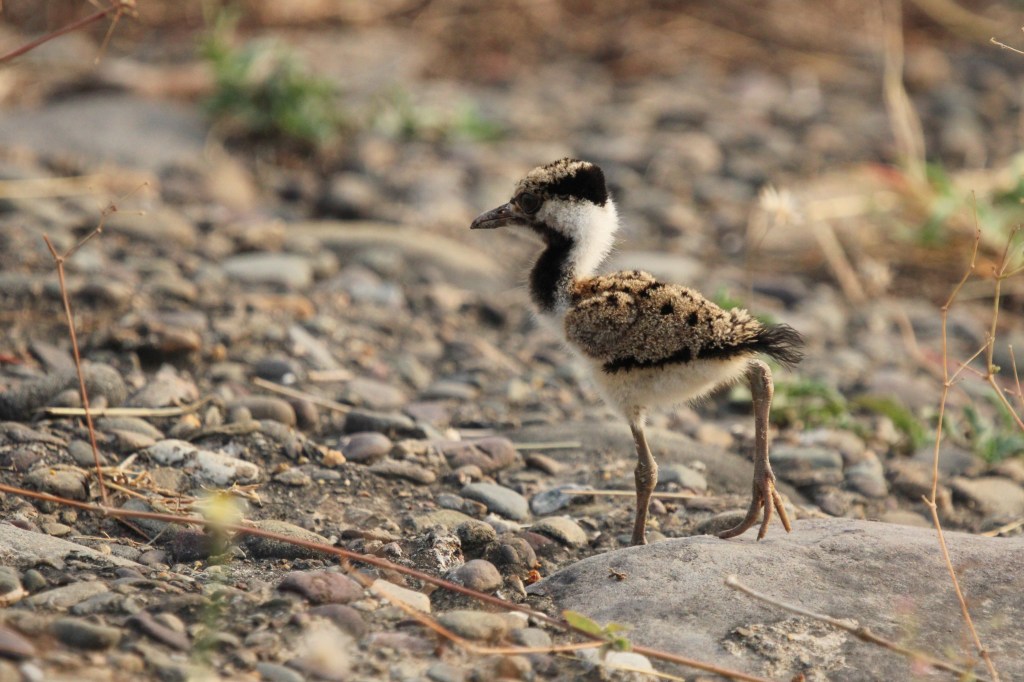
For birdwatchers, this is perhaps the most rewarding time of the year. Beyond the colourful sightings lies something even more captivating — witnessing nature’s quieter moments. Courtship displays, nest building, feeding behaviour and the arrival of hatchlings together create a beautiful story of resilience and life unfolding silently around us.
In the rush to escape the heat, we often forget to pause and observe the wonders that summer quietly brings. But for those willing to listen to the koel’s call at dawn, hear the persistent call of the barbet from hidden branches, watch a sunbird shimmer in sunlight, or place a simple earthen bowl of water outside their home, summer becomes far more than a season.
It becomes a celebration of life, colour and nature’s timeless rhythm.

